
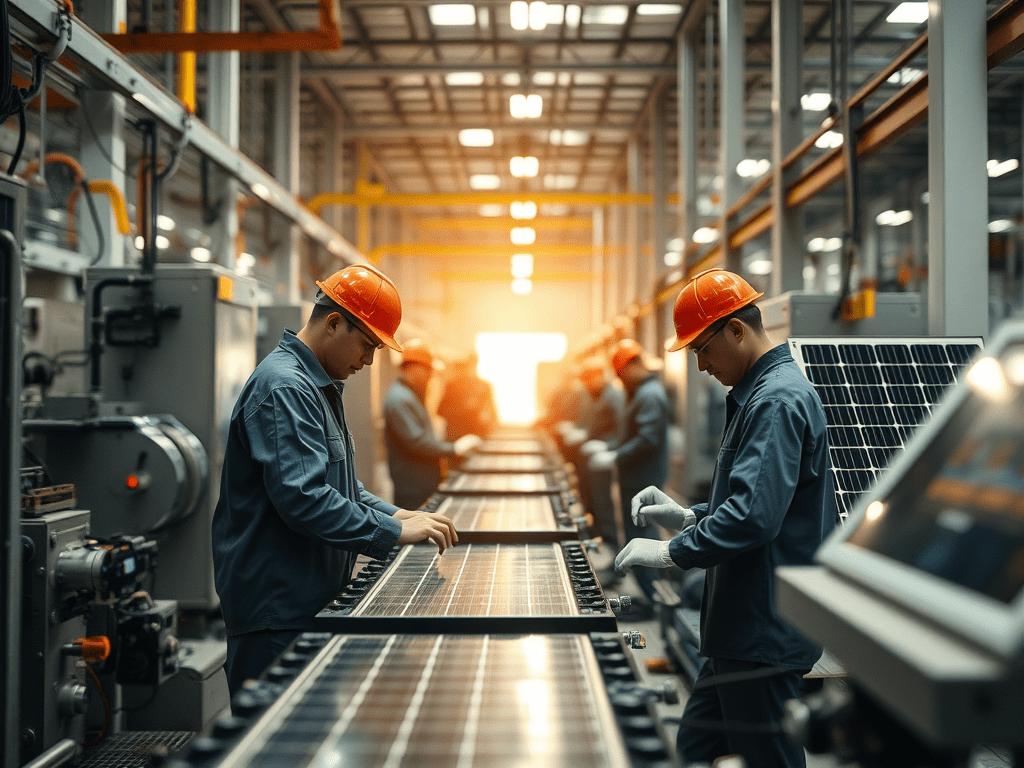
Since 2023, Chinese firms have made substantial strides in clean energy technology, investing over $100 billion in overseas projects. This aggressive expansion aims to circumvent increasing trade barriers, particularly in key markets like the United States and Europe. As the world’s leading producer and exporter of solar panels, lithium batteries, and electric vehicles (EVs), China continues to dominate global clean energy exports. However, this dominance is being met with growing resistance.
China’s Clean Energy Dominance
China’s grip on the clean energy market is undeniable. With a significant share of global exports in solar panels, lithium batteries, and electric vehicles, the country is well-positioned to lead the global transition to renewable energy. Chinese companies such as BYD and CATL are at the forefront of this push, manufacturing key components that are driving the global shift towards green energy solutions. Yet, concerns have been raised about China’s potential to flood the market, which could lead to decreased prices and intensified competition. This has prompted major economies to impose tariffs and explore strategies to protect their domestic markets.
Navigating Trade Barriers
In response to these concerns, countries like the United States, Canada, and the European Union have imposed tariffs on Chinese-made electric vehicles, solar panels, and lithium batteries. These measures aim to curb the influx of Chinese products and bolster domestic clean energy industries. However, Chinese companies are responding strategically by setting up manufacturing facilities in countries like Turkey, Germany, and Hungary. This expansion allows them to bypass these tariffs, particularly as the European Union considers further restrictions on Chinese imports.
A Surplus in Capacity
According to British research, China’s clean energy technology production capacity could exceed domestic demand by 2030, leading to an estimated two-thirds surplus. As a result, China is likely to seek additional export markets to absorb this excess. This surplus, combined with aggressive investments overseas, underscores China’s determination to maintain its stronghold in the clean energy sector while countering the impact of tariffs.
Global Climate Implications
China’s rapid expansion in the clean energy sector raises important questions about the balance between competition and global cooperation in the fight against climate change. While tariffs are intended to protect local industries, they may also hinder global efforts to scale up clean energy technologies. Chinese officials have voiced concerns about these tariffs, arguing that such protectionist measures could slow down progress in combating climate change.
The Future of China’s Cleantech Exports
As the global market for clean energy technologies continues to grow, China’s role will remain central. However, navigating the complex web of tariffs, trade barriers, and competition will require careful planning and diplomacy. How the world’s largest producer of solar panels, EVs, and lithium batteries adapts to these challenges will shape the future of global clean energy markets.
Conclusion
China’s aggressive investments in clean energy technology and its efforts to circumvent trade barriers are reshaping the global energy landscape. With tariffs in place and concerns about market flooding, the next few years will be crucial for determining how China—and the world—balance competition with cooperation in the pursuit of a greener future.
#ChinaCleanEnergy #TradeBarriers #SolarPanels #ElectricVehicles #GlobalEnergy #Glottislimited #Glottisganesha #CleanTech #BYD #CATL #ClimateChange #RenewableEnergy #Tariffs #EUTrade #USChinaTrade #GreenTechnology



 Glottis Limited
Leave a comment