
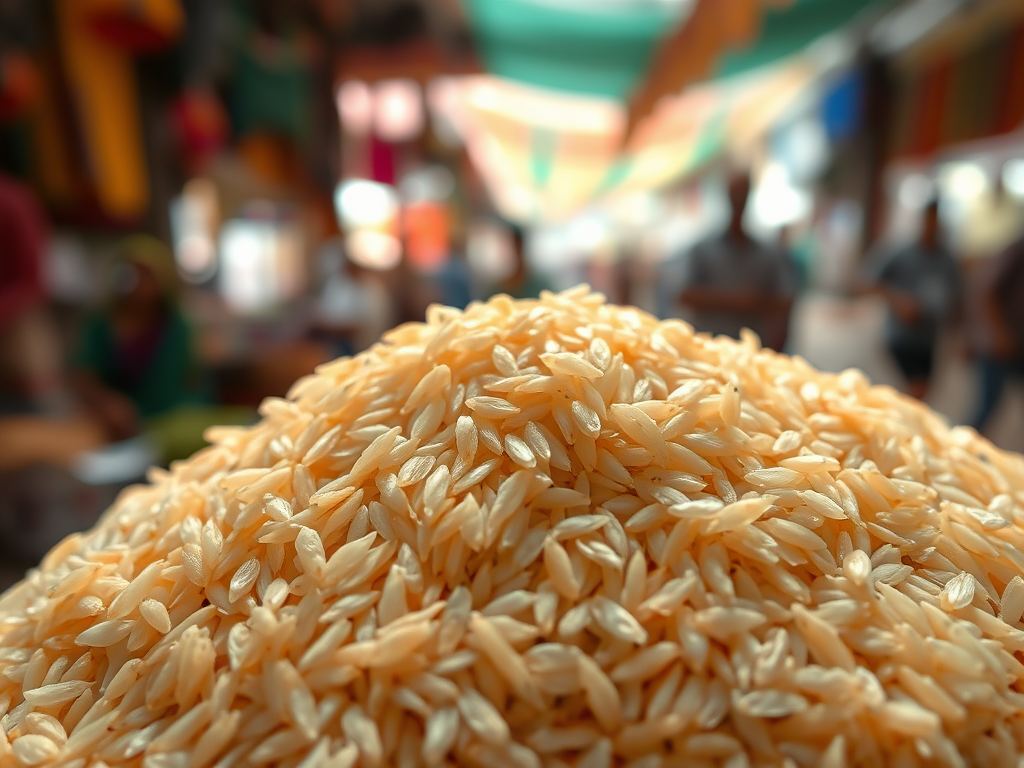
The escalating conflict between Iran and Israel has started to ripple through various global markets, and India’s basmati rice exports have not been immune to its impact. The Basmati 1509 rice variety, in particular, has felt the brunt of this turmoil, as export demand from key Middle Eastern buyers dwindles. Here’s a closer look at how this geopolitical tension is affecting India’s rice industry, farmers, and export dynamics.
Decline in Basmati 1509 Prices
In the grain markets of Uttar Pradesh, particularly Ghaziabad, the price of Basmati 1509 has dropped by ₹200-₹300 per quintal in the last two days alone. This sudden decrease in price stems from a significant reduction in orders from exporters, who, amid the current market instability, have scaled back their purchases. The drop in price has left basmati farmers with mounting concerns as the uncertainty surrounding export volumes grows.
Export Reductions and Farmer Impact
Traditionally, exporters have been strong buyers in the grain markets, but they are now pulling back their orders for Basmati 1509, creating a ripple effect across the industry. For farmers, this reduction in export demand means fewer buyers, lower prices, and an increasingly challenging market landscape for one of India’s most prized agricultural exports.
Key Dependency on Iran’s Market
India exports around 25% of its basmati rice to Iran, making the region an essential market for Indian rice farmers and exporters. However, the ongoing conflict has cast uncertainty over these exports, raising concerns that India’s basmati exports to both Iran and Iraq may face further obstacles. For Indian exporters who rely heavily on these Middle Eastern markets, the potential losses are significant.
Insurance Issues Compounding Export Problems
Adding to the complexity, insurance companies have halted coverage on shipments to Iran due to the increased risk, making it even more challenging for Indian exporters to send basmati rice to the region. Without insurance protection, exporting to conflict-affected areas like Iran becomes an even riskier endeavor, narrowing export avenues and further compounding the worries of rice farmers and traders.
Policy Changes: A Double-Edged Sword
In a move to support the basmati export industry, India recently removed the floor price for basmati rice exports. This change was aimed at encouraging orders from other regions, including the Middle East, Europe, and the Americas. While this policy shift offers hope to some exporters, the removal of the floor price may also create pricing volatility, leaving farmers and traders in a challenging position as they navigate a rapidly shifting market.
India’s Role as a Global Basmati Leader
India remains the world’s largest producer and exporter of basmati rice, supplying to markets around the globe. However, the Iran-Israel conflict has brought unforeseen challenges to this vital sector, creating a wave of market disruptions and logistical hurdles.
Conclusion
The ongoing Iran-Israel conflict has undoubtedly shaken India’s basmati rice export market, with the Basmati 1509 variety facing immediate impacts. The industry’s dependency on Middle Eastern markets, combined with recent insurance limitations and policy changes, places additional pressure on exporters and farmers. As the situation continues to unfold, India’s basmati rice market may need to look for alternative strategies and markets to offset these disruptions and stabilize the industry.
#IndiaRiceExports
#Basmati1509
#IranIsraelConflict
#GlobalTradeImpact
#BasmatiRiceIndustry
#AgricultureNews
#MiddleEastMarket
#FoodExports
#IndiaFarmers
#ExportChallenges
#RiceTrade
#GeopoliticalImpact
#SupplyChain
#Glottislimited
#Glottisganesha




 Glottis Limited
Leave a comment