

India is advancing rapidly in its transition to renewable energy. It has set an ambitious goal of 500 GW from non-fossil fuel sources by 2030. The country has already achieved 186.46 GW from renewable and nuclear sources, but an additional 320 GW is essential to hit the target. This push not only underscores India’s commitment to sustainability but also places the country among global leaders in energy innovation. #IndiaEnergyTransition #RenewableEnergy #SustainabilityGoals
Energy Storage Market in India: Major Expansion Plans on the Horizon
As of March 2024, India boasts a cumulative energy storage capacity of 219.1 MWh, with further plans to install 1.6 GWh of standalone battery systems by 2027. This effort aligns with India’s drive to integrate 9.7 GW of renewable energy projects, establishing a pivotal role in advancing sustainable energy storage solutions. #EnergyStorage #Renewables #SustainableIndia
Global Energy Storage Market: Valued at $31.47 Billion, Projected to Skyrocket
The global energy storage market is set for exponential growth, projected to soar from $31.47 billion in 2023 to as much as $150 billion by 2030, with a CAGR of 33.1% from 2022-2032. This growth highlights the worldwide shift towards energy resilience, creating new opportunities across sectors. #GlobalEnergyStorage #RenewableGrowth #EnergyResilience
Battery Energy Storage Systems (BESS) Powering India’s Renewable Future
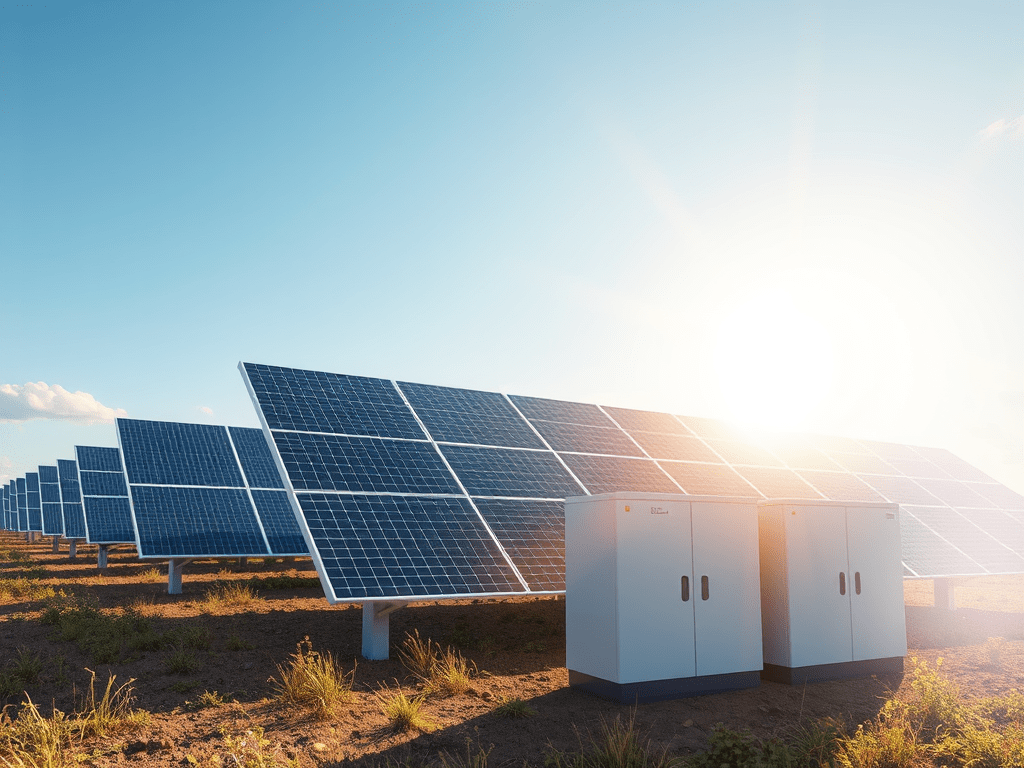
BESS are becoming indispensable in India’s energy transition. They support the integration of intermittent solar and wind power. India aims to deploy 51.5 GW of BESS by 2030, ensuring grid reliability and sustainable energy production. #BESS #IndiaRenewables #GridStability
Government Policies Fuel BESS Growth in India
India’s government is creating a supportive framework for BESS. This includes policies like the National Framework for Promoting Energy Storage Systems. It also involves a Viability Gap Fund. This collaboration between government and private sectors emphasizes regulatory progress, technical integration, and BESS scalability. #EnergyPolicy #IndiaBESS #SustainableIndia
Future of India’s BESS Market: Growth Driven by Renewables and Grid Stability
The Indian BESS market will grow significantly in the coming five years. This expansion is driven by renewable energy targets and the need for grid stabilization. Utility-scale and decentralized storage solutions will likely emerge, fueled by technological advancements and cost-effective solutions. #FutureOfBESS #Renewables #EnergyStorage
Technological Advancements in Battery Storage: Beyond Lithium-Ion
Innovations in battery technology are reshaping the energy storage landscape. Alternatives like sodium-ion, iron-air, redox flow, and nickel-hydrogen batteries are gaining traction. These technologies promise enhanced grid stability and renewable integration, reducing supply chain dependencies and driving a more resilient energy sector. #BatteryInnovation #TechAdvancements #EnergyStorage
GEAPP’s Contributions: Supporting BESS Development in India
The Global Energy Alliance for People and Planet (GEAPP) is partnering to bring around 1 GW of BESS projects to India by 2026. They are providing technical expertise and concessional financing. This collaboration with state DISCOMs will advance BESS affordability and scalability, fortifying India’s energy storage landscape. #GEAPP #BESSinIndia #EnergyAlliance
#Glottislimited #Glottisganesha



 Glottis Limited
Leave a comment