
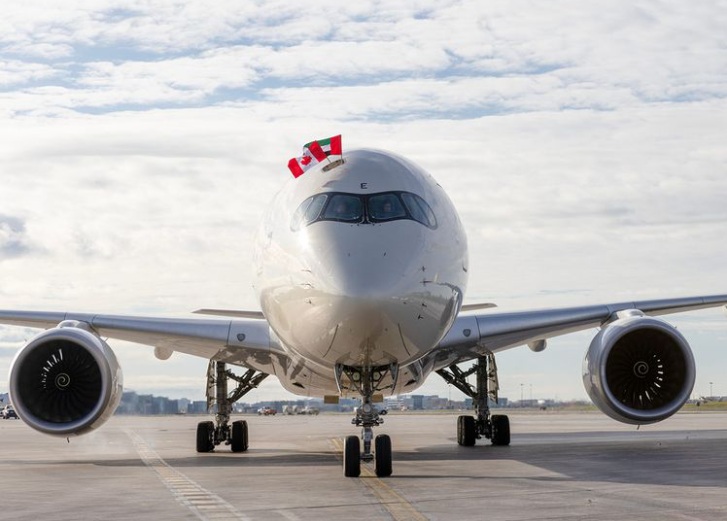
Etihad Airways is enhancing its connectivity and air cargo capacity in the Middle East-North America corridor. The airline is reinforcing its hub at Abu Dhabi. These expansions and innovations will influence cargo handling and transit times. They will enhance air logistics in one of the most critical lanes for global trade. Here’s an in-depth look at Etihad’s recent initiatives and a review of air cargo capacity aligned with these changes.
1. Etihad Airways Expands North American Operations
Etihad Airways recently strengthened its North American routes, aiming to meet growing demand and diversify its cargo options.
- Toronto Route: The airline has upgraded its Toronto route by deploying the Airbus A350. This aircraft is known for its advanced cargo hold capacity. It is also praised for its fuel efficiency. The larger airframe offers additional cargo space. This allows Etihad to handle a more extensive range of shipments. It also permits larger quantities per flight.
- Boston Route: Starting November 1, Etihad will commence daily flights to Boston. This move further reinforces the company’s footprint in the U.S. Etihad’s weekly flights to North America will increase to 42. These destinations include Toronto, Boston, New York, Washington, and Chicago.
2. Enhanced Cargo Capacity with Airbus A350
The Airbus A350 deployed for the Toronto service offers Etihad’s latest Business cabin features. It includes 44 seats in a new configuration. The Airbus A350 is also equipped with a generous cargo hold. This enhances air cargo capacity per flight. It supports more flexible options for freight-forwarding clients.
3. Forward-Thinking Growth and Service Enhancements
Etihad Airways has committed to expanding its international network, with new destinations planned for 2024. Etihad’s long-term growth strategy focuses on offering a seamless travel experience. It also aims to provide extensive logistics options through increased cargo space. In support of smoother transits and improved customer experience, Etihad has also introduced additional services:
- U.S. Customs Facility: Travelers can now clear U.S. customs in Abu Dhabi before arriving in the U.S., streamlining the process for cargo as well by minimizing delays at U.S. entry points.
- Stopover Program: Passengers traveling to North America can enjoy up to two free nights at premium hotels in Abu Dhabi. This initiative could boost tourism within the UAE. It offers travelers a unique layover experience. Additionally, it fosters transit traffic through Abu Dhabi’s logistics hub.
4. Dubai Aerospace Enterprise (DAE) and Fleet Expansion
DAE has announced a significant agreement. They plan to acquire ten narrow-body aircraft for approximately $500 million. The acquisition is set for completion by the end of 2024. These new acquisitions—leased to airlines across four countries—indicate an emphasis on fleet efficiency and fuel economy. The leased aircraft are expected to boost capacity in select regions, meeting specific logistical and operational requirements. DAE’s ongoing management of aircraft equity interests shows their commitment to optimizing fleet efficiency. They are expanding their portfolio with fuel-efficient aircraft. This aligns with sustainable air logistics solutions.
Sector Trends and Strategic Developments: Middle East to North America Corridor
The increased flight frequencies and the upgraded Airbus fleet clearly respond to demand in the Middle East-North America corridor. They illustrate this response. Etihad’s additions enhance transit options and cargo handling capabilities for various goods, from general cargo to specialized and temperature-sensitive items. Below is a table showcasing Etihad’s expanded cargo capacity for key routes.
| Route | Aircraft Model | Weekly Frequency | Seats (Business) | Cargo Hold Capacity (m³) |
|---|---|---|---|---|
| Toronto (YYZ) | Airbus A350 | 7 (Daily) | 44 | 26.5 |
| Boston (BOS) | Boeing 787 | 7 (Daily, Nov 2024) | 28 | 23 |
| New York (JFK) | Boeing 787 | 14 (Twice Daily) | 28 | 23 |
| Washington D.C. (IAD) | Boeing 787 | 7 (Daily) | 28 | 23 |
| Chicago (ORD) | Boeing 787 | 7 (Daily) | 28 | 23 |
Note: Cargo hold capacity values are approximations and vary based on the configuration and load factors.
Conclusion
Etihad Airways has expanded its capacity. They have optimized routes to cater to the growing air cargo demands between the Middle East and North America. This bolstered connectivity strengthens Etihad’s position. Combined with innovative passenger and cargo services, it allows Etihad to meet evolving market needs. This supports logistics industry growth in this critical lane. As Etihad progresses with these upgrades, the airline is well-placed to play a pivotal role. It enhances trade and tourism ties across continents.




 Glottis Limited
Leave a comment