
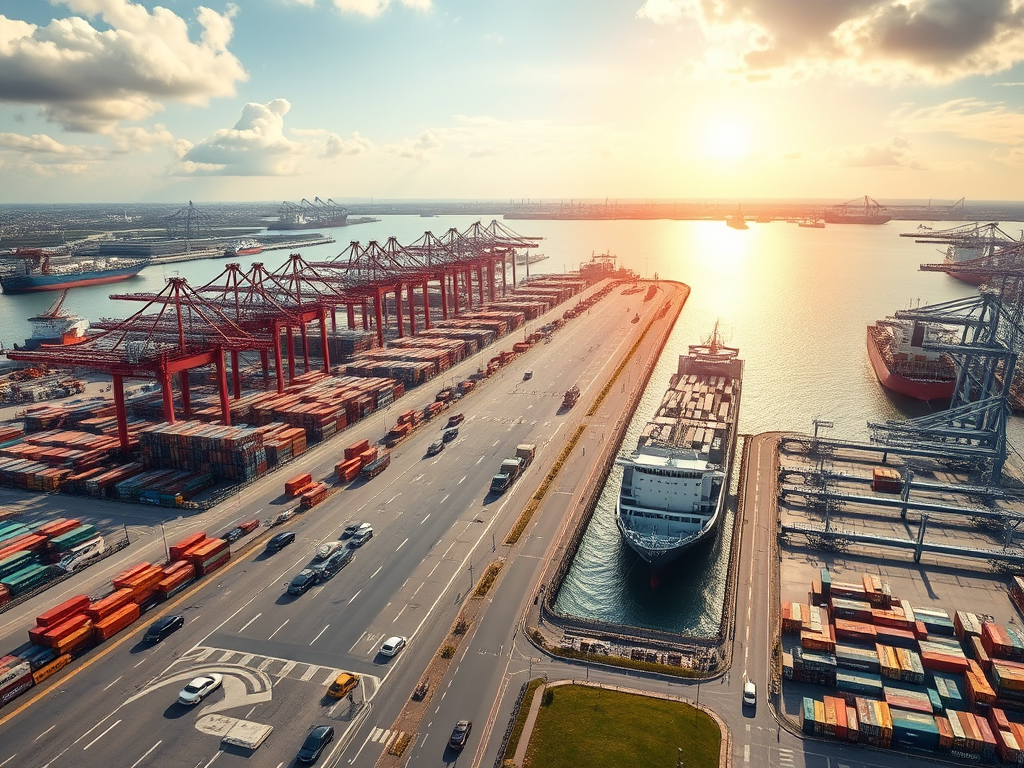
Maersk has announced a significant operational change. The company will shift some of its larger vessels from the Port of Felixstowe to the London Gateway. This shift will start in February 2025. This decision reflects Maersk’s ongoing efforts to improve its services and streamline supply chains for UK customers.
Key Factors Behind the Shift
- Infrastructure Challenges: Poor connectivity around Ipswich, especially on the A14 and rail networks, reportedly influenced the decision.
- Port Optimization: The London Gateway is considered a more efficient hub. It aligns with Maersk’s strategy under the Gemini Co-operation with Hapag-Lloyd.
- Economic Implications: Concerns over potential job losses and reduced activity in Felixstowe’s supporting industries, like trucking and warehousing.
Broader Industry Trends
This move highlights growing pressures on traditional ports to modernize. They need to adapt to the shipping industry’s increasing focus on efficiency and cost-effectiveness.
Key Data: Maersk’s Shift to London Gateway
| Aspect | Details |
|---|---|
| Start Date | February 2025 |
| Reason for Shift | Infrastructure challenges and operational efficiency |
| Impact on Felixstowe | Potential job losses in trucking, warehousing, and distribution |
| Felixstowe’s Annual Activity | 2,000 ships; four million containers |
| Employment at Felixstowe | 2,250 workers |
| London Gateway Advantage | Optimal port for UK customer service |
| Strategic Collaboration | Gemini Co-operation with Hapag-Lloyd |
| Call for Action | Suffolk Chamber urges government support for infrastructure upgrades |
The move enhances Maersk’s operations. Yet, it underscores the urgent need for infrastructure improvements in traditional ports like Felixstowe. These improvements are necessary to keep their relevance in global trade networks.



 Glottis Limited
Leave a comment