
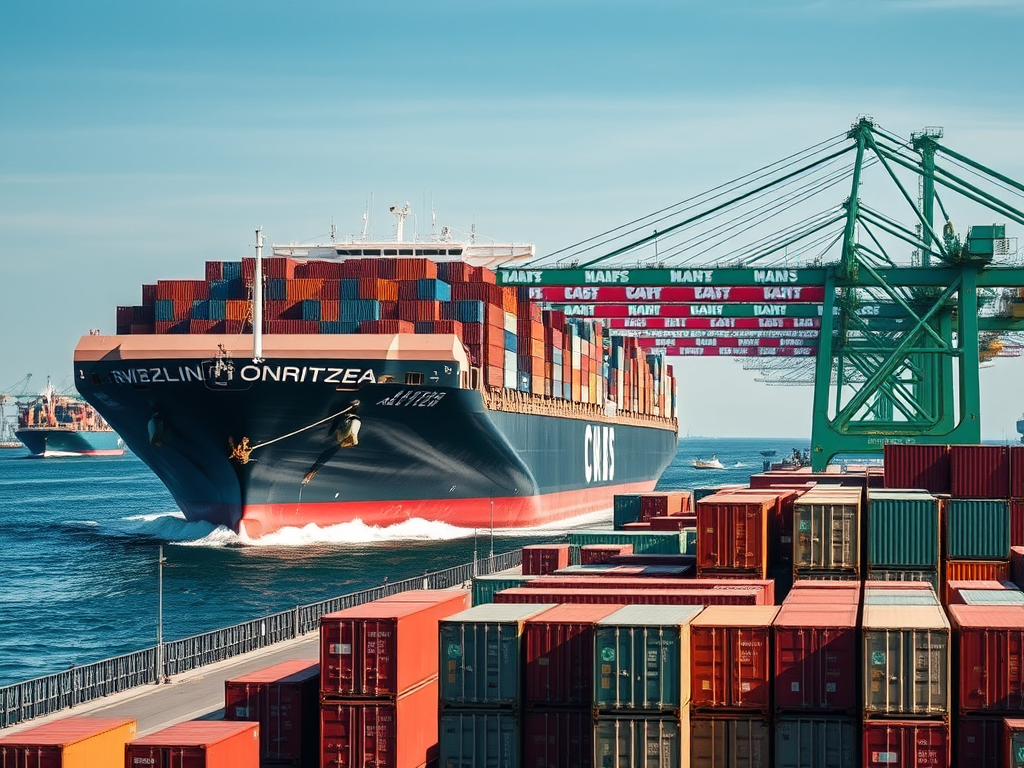
Ocean alliances have played a pivotal role in shaping global trade and maritime logistics. As the industry evolves, certain alliances end. New ones emerge to reshape competitive landscapes. These changes affect economic opportunities and operational dynamics. Below is an overview of the key developments and their implications:
| Key Topic | Details |
|---|---|
| End of the 2M Alliance | The 2M alliance between MSC and Maersk, operational since 2015, will conclude in February 2025. |
| Benefits of the Alliance | – Enabled economies of scale and reduced shipping costs for importers. – Facilitated vessel, port, and trade route sharing, enhancing efficiency. |
| Impact on Mombasa Port | – Renewal of alliances could enhance the Port of Mombasa’s role as a transshipment hub, especially for East African cargo. |
| Port Performance | – Mombasa ranks 6th among Africa’s top container ports (2020). – Leading ports include Tanger Med (Morocco) and those in Egypt and South Africa. |
| Liner Shipping Connectivity Index (LSCI) | – Measures ports’ global connectivity and attractiveness. – High LSCI scores indicate better integration into global trade routes. |
| Economic Implications for Kenya | – Alliances could allow smaller shippers to access services, diversifying opportunities. – Potential to introduce fairer freight rates for importers. |
| Job Losses | – Streamlined operations within alliances have led to job cuts. – Significant layoffs reported by major players like Maersk. |
| Current and Past Mergers | – Past mergers and alliances have significantly reshaped competition. – New alliances form as companies adapt to market dynamics. |
| Future of Shipping Alliances | – Shipping alliances are expected to evolve further, driven by competition and operational optimization. |
Insights and Analysis
The termination of the 2M alliance signals a pivotal moment in the shipping industry. While alliances have traditionally offered operational efficiencies and reduced costs, they also affect economic opportunities. They influence port competitiveness and impact workforce dynamics.
For instance, the Port of Mombasa is positioned as a gateway for East Africa. It could leverage renewed alliances to boost its connectivity. This would enhance its economic relevance. However, the associated job losses highlight the need for balancing efficiency with workforce sustainability.
Looking ahead, the shipping industry’s landscape will likely witness new alliances. It will also see innovative strategies. Companies will navigate challenges like increasing freight demand. They will strive to meet decarbonization goals and adapt to geopolitical shifts.
This evolving scenario underscores the critical role of partnerships in maintaining global trade flow and competitiveness.



 Glottis Limited
Leave a comment