
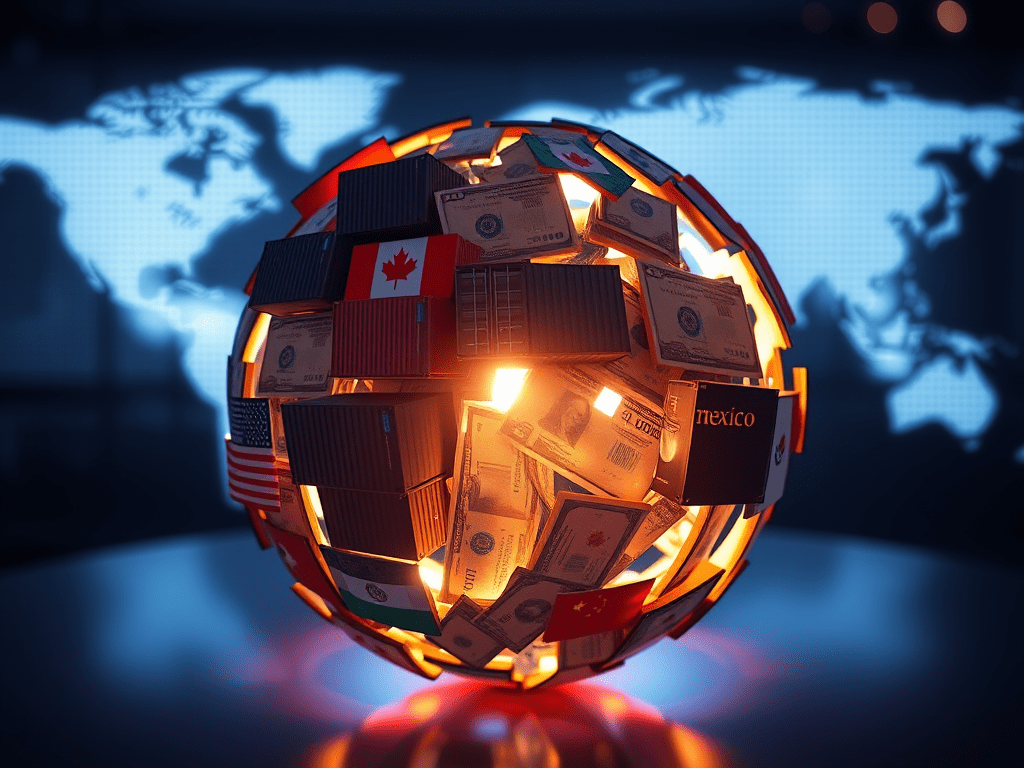
The announcement by President-elect Donald Trump to impose tariffs on imports from Canada, Mexico, and China marks a significant development in global trade. The proposed measures are aimed at addressing key issues such as drug dumping, trade imbalances, and immigration concerns. Here’s a detailed breakdown of the announcement and its potential impact:
Key Tariff Measures
| Country | Proposed Tariff Increase | Targeted Goods/Concerns |
|---|---|---|
| Canada | 25% | General imports, with the aim of addressing trade imbalances. |
| Mexico | 25% | Targeting broader imports and migration-related issues. |
| China | 10% | Focused on addressing allegations of drug dumping and trade practices. |
Impact on Indian Sectors
| Sector | Potential Impact |
|---|---|
| Pharmaceuticals | Increased demand as Indian products could replace Chinese goods impacted by US tariffs. |
| Textiles | Enhanced export opportunities to the US, with reduced competition from Chinese manufacturers. |
| Solar Panels | Risk of negative impact due to potential retaliatory actions from China or other affected nations. |
Mexico’s Stance
| Aspect | Details |
|---|---|
| Migration Issues | Mexico’s President Claudia Sheinbaum is prioritizing migration challenges as part of tariff negotiations. |
| Retaliation Readiness | Sheinbaum has indicated readiness to respond to any trade war initiated by the US. |
India’s Exclusion from Tariff Measures
| Aspect | Implication for India |
|---|---|
| Exclusion from Initial Tariffs | India was not included in the tariff measures, suggesting potential neutrality in the early phases of the new US administration. |
| Strategic Positioning | India’s absence from tariffs raises questions about its global trade relationships under Trump’s administration. |
Wider Economic Repercussions
| Key Issue | Expected Outcomes |
|---|---|
| Drug Dumping Concerns | Tariffs on China may address allegations of drug dumping but could disrupt global pharmaceutical supply chains. |
| Immigration Policies | Economic measures intertwined with migration concerns, particularly affecting US-Mexico relations. |
| Global Trade Relations | Potential for defensive responses and trade wars that could destabilize international markets. |
Analysis and Outlook
Trump’s proposed tariffs highlight a shift towards protectionist policies that may benefit domestic industries while disrupting established global supply chains.
For India, this development offers mixed outcomes. While sectors like pharmaceuticals and textiles stand to gain from reduced competition, the risks of retaliatory measures could affect industries like renewable energy.
Globally, the tariffs underscore increasing tensions in trade relationships, particularly among key players like the US, China, and Mexico. The long-term implications will depend on the responses from affected countries. They also hinge on the ability of global trade bodies to mediate escalating disputes.
As the new US administration takes charge, the world will closely watch how these policies reshape international trade dynamics.




 Glottis Limited
Leave a comment