

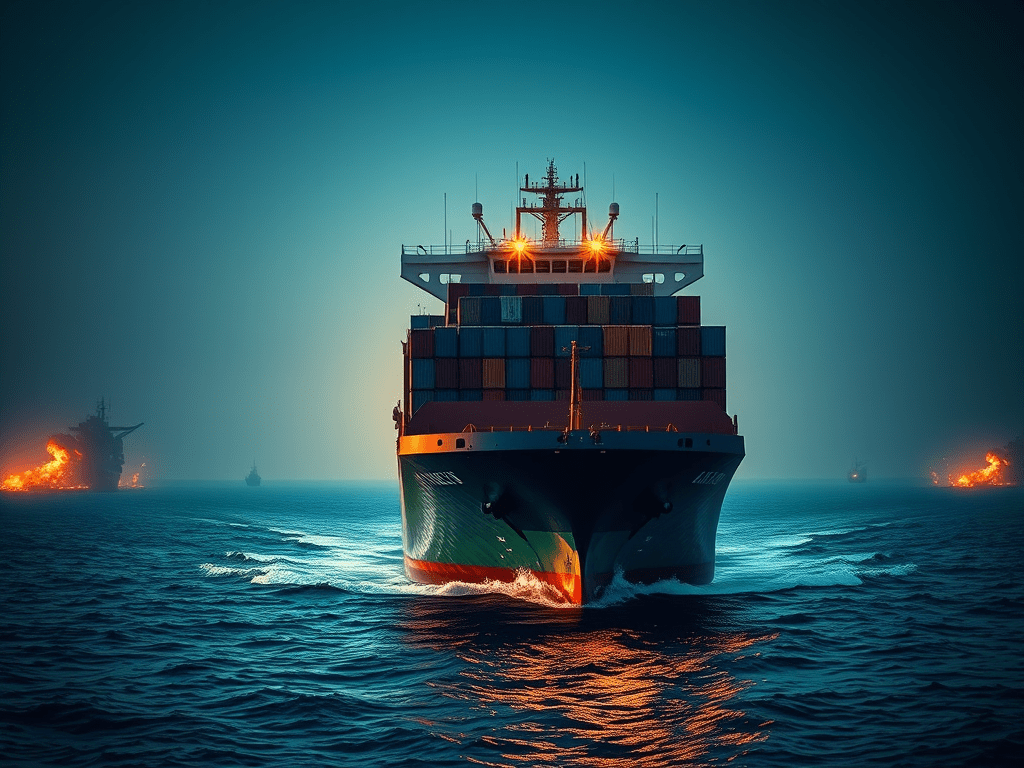
Mediterranean Shipping Company (MSC), the world’s largest container shipping company, has announced transformative changes to its southern Africa network, positioning Walvis Bay, Namibia, as a key transshipment hub. The move is part of MSC’s broader strategy to enhance operational efficiency and service reliability across the region. Below, we delve into the key developments and their implications.
1. Control of Walvis Bay’s New Container Terminal
MSC has secured a 25-year operating concession for the New Container Terminal at Walvis Bay. This long-term control provides MSC with a strategic foothold in southern Africa, enabling it to streamline operations and create a central node for cargo movement in the region.
2. Walvis Bay: A New Transshipment Hub
Effective January 20, 2025, Walvis Bay will serve as a transshipment hub, facilitating the seamless movement of goods from Europe to southern Africa. The hub will improve connectivity and reduce transit times, addressing the region’s logistical bottlenecks, particularly in South Africa.
3. Service Changes and Port Rotation
MSC’s mainline service will undergo significant adjustments to incorporate a southbound call at Walvis Bay. The new port rotation is as follows:
London Gateway → Bremerhaven → Rotterdam → Antwerp → Le Havre → Sines → Las Palmas → Walvis Bay → Port Elizabeth → Durban → Cape Town → Las Palmas → London Gateway
This redesign not only enhances service efficiency but also reduces dependence on congested South African ports.
4. Introduction of Feeder Services
To complement the mainline service, MSC will launch two feeder loops from Walvis Bay:
- Namibia Express: Connecting Walvis Bay and Cape Town with a transit time of just three days. Service starts on January 8, 2025.
- Mozambique Shuttle: Relaunching to include Walvis Bay, linking it with Beira and supporting cargo movement along the eastern coastline.
These feeder services are expected to bolster regional connectivity and improve cargo handling efficiency.
5. Streamlining Operations: Port Substitution
MSC has decided to replace calls at Ngqura (Coega) with Port Elizabeth. This change simplifies the network and leverages Port Elizabeth’s facilities to handle cargo more effectively.
6. Improved Import and Export Facilitation
Walvis Bay’s new role as a transshipment hub will facilitate cargo destined for key ports like Maputo and Beira. This shift addresses service challenges at South African terminals, ensuring reliable import and export flows for businesses in the region.
Key Data Snapshot
| Aspect | Details |
|---|---|
| Operating Concession | 25 years for the New Container Terminal at Walvis Bay |
| Transshipment Hub Start Date | January 20, 2025 |
| New Mainline Rotation | London Gateway → Bremerhaven → Rotterdam → Antwerp → Le Havre → Sines → Las Palmas → Walvis Bay → Port Elizabeth → Durban → Cape Town → Las Palmas → London Gateway |
| Feeder Services | – Namibia Express: Walvis Bay ↔ Cape Town (3-day transit, starting January 8, 2025) |
| – Mozambique Shuttle: Relaunch from Beira, including Walvis Bay | |
| Revised Port Calls | Replacing Ngqura (Coega) with Port Elizabeth |
| Regional Connectivity | Improved transshipment for Maputo and Beira cargo |
Conclusion
MSC’s strategic emphasis on Walvis Bay underscores its commitment to enhancing the southern Africa network’s efficiency and reliability. By establishing Walvis Bay as a transshipment hub and introducing new feeder services, MSC is well-positioned to streamline cargo operations and address regional challenges. These developments promise significant benefits for businesses relying on southern Africa’s trade routes.


 Glottis Limited
Leave a comment