

Germany, known as Europe’s economic powerhouse, is facing significant challenges in 2024. With stagnating growth, political instability, and shifts in global dynamics, the country’s economic trajectory has raised concerns both domestically and internationally. Here’s an in-depth look at Germany’s current economic situation and its implications.
Economic Overview
Germany remains a global economic leader, with a nominal GDP of $4.7 trillion in 2024, ranking it the third-largest economy worldwide. However, its population of 84 million pales in comparison to other economic giants like Japan (124 million) and India (1.4 billion), hinting at demographic challenges.
Economic Growth Stagnation
Unlike the upward trajectory of economies such as the U.S., Japan, China, and India, Germany has struggled to maintain momentum:
- The economy has been stagnant for the past five years.
- A two-year recession is predicted for 2024 and 2025, marking a rare decline in Germany’s modern history.
This stagnation reflects deeper structural issues that demand urgent attention.
Political Turmoil
The political landscape has further complicated Germany’s economic challenges:
- Government Collapse: Chancellor Olaf Scholz’s administration fell following a parliamentary vote of confidence, leading to early elections scheduled for February 2025.
- Rise of AfD: The far-right Alternative for Germany (AfD) party has gained traction, driven by anti-immigrant rhetoric and populist sentiment, echoing global political trends.
Political instability risks undermining the economic policy needed to address Germany’s pressing issues.
Key Factors Driving Economic Challenges
- Trade Competition: China, once a critical trade partner, now competes directly by producing high-value goods, undercutting German exports.
- Energy Crisis: The war in Ukraine has disrupted Germany’s reliance on Russian gas, causing energy shortages and high costs.
- Demographic Decline: An ageing population and shrinking workforce threaten long-term productivity. Immigration, a potential solution, faces resistance from populist factions.
- Low Public Investment: Germany’s public investment-to-GDP ratio is among the lowest in the OECD, limiting infrastructure and technological advancements.
- Global Competition: Emerging markets, particularly China, are eroding Germany’s export dominance.
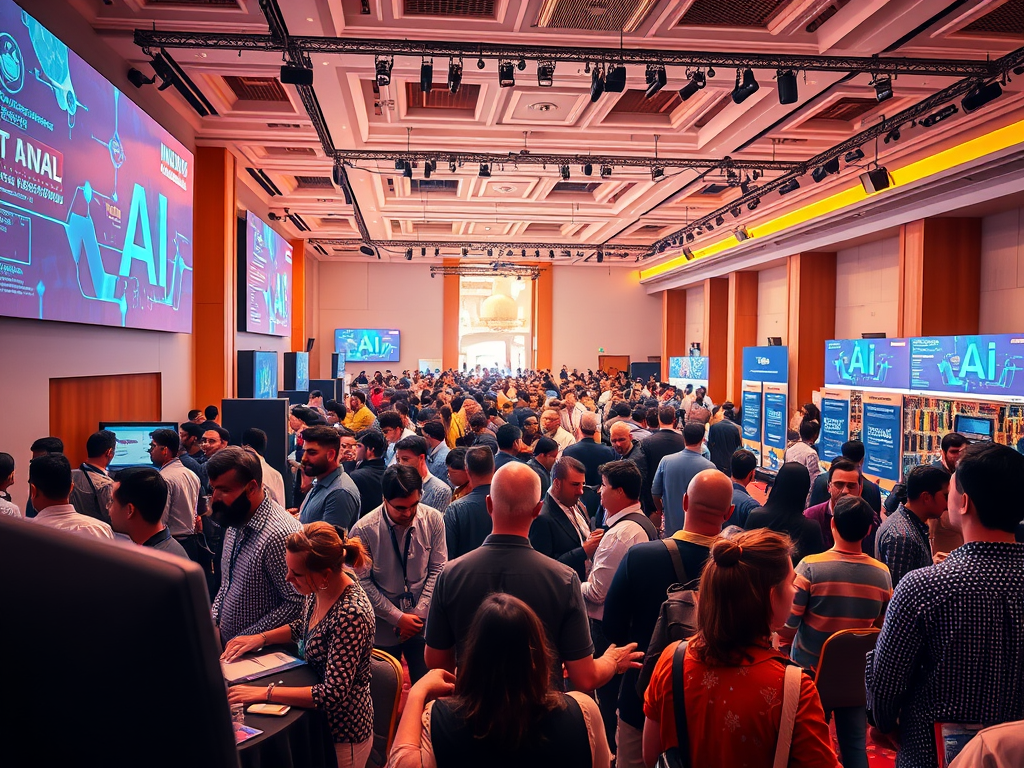
- Technological Lag: Germany is falling behind in sectors such as artificial intelligence, digital technology, and software services, areas critical for future growth.
Economic Predictions and Concerns
Economists warn that Germany’s reliance on traditional growth models, such as heavy industry and exports, may no longer suffice. The lack of innovation and diversification in emerging sectors raises red flags about the country’s ability to adapt to global changes.
Additionally, geopolitical uncertainties and potential protectionist policies from major trade partners like the U.S. could exacerbate the economic strain.
Key Data Summary
| Indicator | Germany | Comparison |
|---|---|---|
| Nominal GDP (2024) | $4.7 trillion | 3rd largest globally, after the U.S. and China |
| Population | 84 million | Lower than Japan (124 million) and India (1.4 billion) |
| Economic Growth | Stagnant | Decline projected for 2024-2025; contrast with growing economies of U.S., China, and India |
| Energy Dependency | High | Disrupted by Ukraine war, leading to energy shortages |
| Public Investment-to-GDP | Among lowest | Ranked poorly among OECD countries |
| Technological Competitiveness | Lagging | Falling behind in AI, digital tech, and software services |
Conclusion
Germany’s economic stagnation, compounded by political instability and external competition, highlights the urgent need for reform and innovation. Addressing these challenges will require bold policy measures, a focus on technological advancement, and an inclusive approach to immigration to rejuvenate the workforce. As Germany heads into early elections, the nation’s ability to adapt to these challenges will determine its path forward in an increasingly competitive global landscape.


 Glottis Limited
Leave a comment