
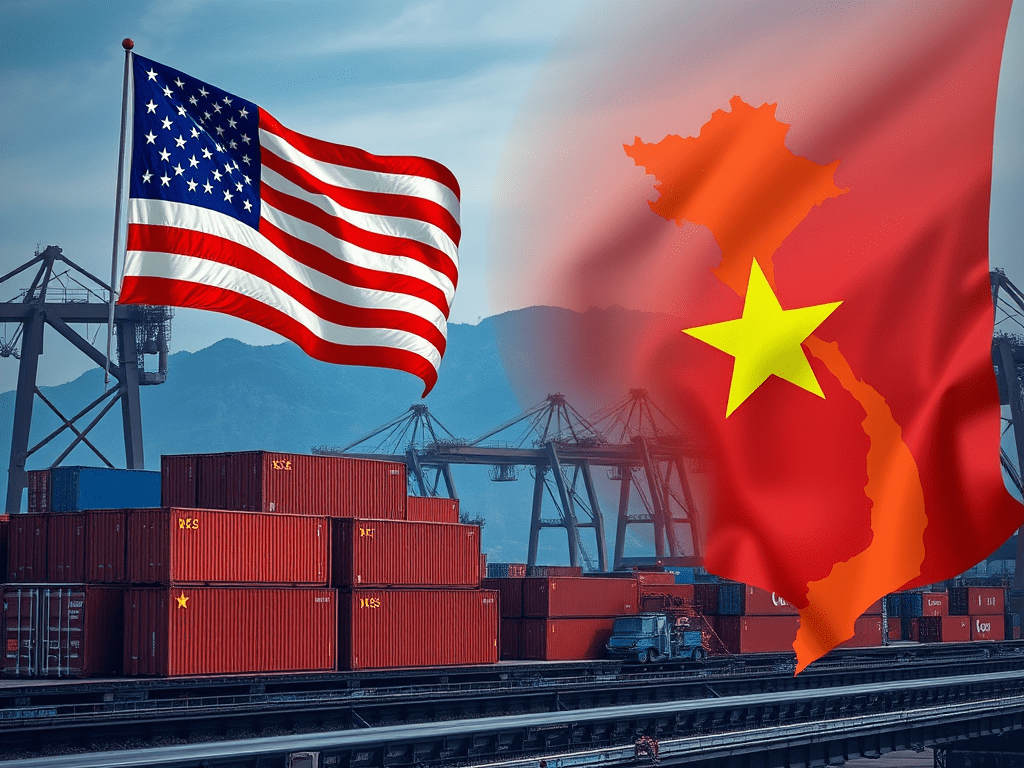
The U.S. trade deficit with Vietnam has seen significant growth, driven largely by increased Vietnamese exports, partly facilitated by a weak Vietnamese dong. This has raised concerns about potential currency manipulation to gain unfair trade advantages. Vietnam’s central bank has previously intervened to stabilize the dong and is closely monitoring economic impacts as trade tensions with the U.S. heighten. Prominent American companies with business ties to Vietnam are also keeping an eye on these developments.
Key Data Summary
| Aspect | Details |
|---|---|
| U.S. Trade Deficit with Vietnam | Exceeded previous levels, rising sharply. |
| Rate of Increase | Nearly doubled in a recent period, intensifying scrutiny. |
| Vietnam’s Global Trade Role | Key exporter with competitive manufacturing capabilities. |
| Vietnam’s Currency | The Vietnamese dong (VND) has remained weak against the dollar. |
| Impact of Weak Dong | Contributed to increased exports to the U.S., widening the trade gap. |
| Currency Manipulation Concerns | Renewed accusations from the U.S. due to perceived unfair advantages from a weak currency. |
| Central Bank Actions | Vietnam’s central bank has intervened in the past to strengthen the dong and mitigate volatility. |
| Key American Companies in Vietnam | Major U.S. corporations operate in Vietnam, benefiting from trade while monitoring the situation. |
This summary highlights the complexities of U.S.-Vietnam trade relations and the potential for escalating economic tensions.




 Glottis Limited
Leave a comment