

The Philippines and the United Arab Emirates have taken a significant step toward a greener future with a $15-billion renewable energy partnership between the UAE-based renewable energy leader Masdar and the Philippine government. This transformative collaboration promises to bolster the Philippines’ clean energy sector, strengthen bilateral relations, and contribute to global renewable energy goals.
Key Highlights of the Partnership
1. Investment and Scope
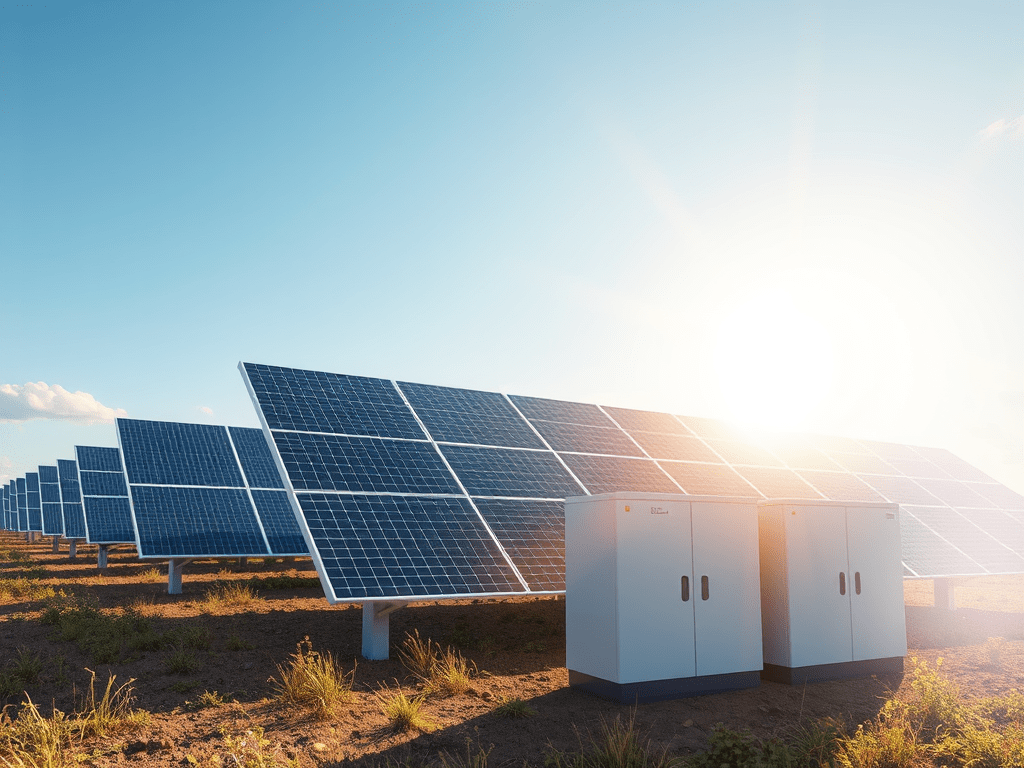
The agreement brings a $15-billion investment from Masdar, targeting up to 1 gigawatt (GW) of clean energy capacity by 2030. The projects will focus on solar energy, wind power, and battery energy storage systems (BESS), crucial for a sustainable energy infrastructure.
2. Agreements Signed
Two significant agreements underpin this partnership:
- Implementation Agreement: Signed with the Philippine Department of Energy (DOE).
- Memorandum of Understanding (MoU): Signed with the Board of Investments (BOI).
These agreements provide a roadmap for collaboration, ensuring regulatory and operational support.
3. Timeline
The projects are slated for completion by 2030, aligning with the Philippines’ National Renewable Energy Program.
4. Renewable Energy Goals
This initiative is critical to achieving the Philippines’ renewable energy milestones:
- 35% renewable energy in power generation by 2030.
- 50% renewable energy by 2040.
5. Economic and Environmental Impact
The partnership is expected to:
- Generate significant job opportunities.
- Drive low-carbon socio-economic progress.
- Enhance the Philippines’ global renewable energy capacity.
6. Implementation and Collaboration
- Masdar’s Role: Manage commercial, technical, financial, and environmental aspects of the projects.
- DOE’s Role: Assist with pre-development activities, regulatory approvals, and permits.
7. Geographic Focus
The Luzon Economic Corridor, including Subic Bay and Clark, will be key beneficiaries of these projects, promoting regional development.
8. Regional Footprint
This partnership extends Masdar’s growing influence in Southeast Asia, following successful renewable energy ventures in Indonesia and Malaysia.
Summary Table of Key Details
| Aspect | Details |
|---|---|
| Investment Amount | $15 billion |
| Target Capacity | 1 GW of solar, wind, and BESS projects |
| Agreements Signed | Implementation Agreement with DOE; MoU with BOI |
| Project Timeline | Completion by 2030 |
| Renewable Energy Goals | 35% by 2030; 50% by 2040 |
| Economic Impact | Job creation, low-carbon development, expanded renewable capacity |
| Implementation Roles | Masdar: Technical and financial aspects; DOE: Pre-development and permits |
| Key Areas in the Philippines | Luzon Economic Corridor, Subic Bay, Clark |
| Regional Presence | Southeast Asia (Indonesia, Malaysia, and now the Philippines) |
A Step Toward Transformation
The partnership between Masdar and the Philippines represents a pivotal moment in the global renewable energy transition. It not only underscores the shared commitment to combating climate change but also strengthens the Philippines’ role in Southeast Asia’s clean energy ecosystem. By focusing on sustainable development, this collaboration is poised to benefit generations to come.



 Glottis Limited
Leave a comment