
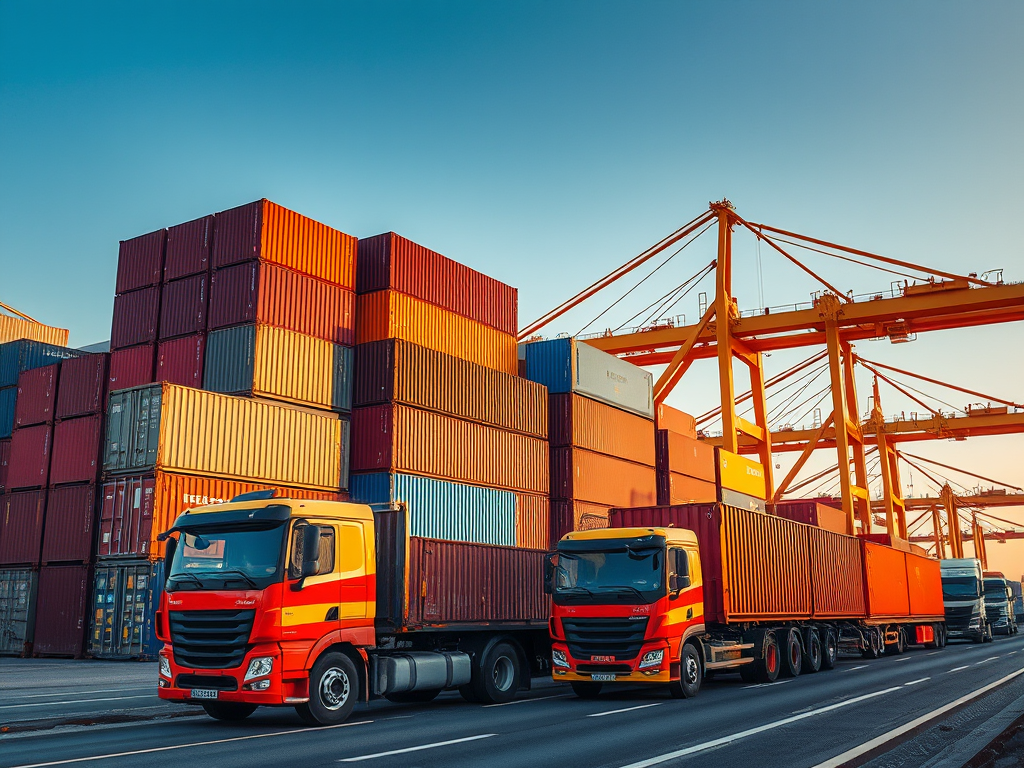
The logistics landscape of Chinese agribusinesses is undergoing a significant transformation as containerized transport gains traction for grain shipments. This trend highlights the evolving demands of the agricultural sector and the shipping industry’s response to meet these needs effectively.
Containerized Transport: A Rising Preference
Traditionally, bulk carriers dominated grain transportation, accommodating large volumes efficiently. However, agribusinesses in China are now increasingly favoring containerized transport to manage smaller cargo volumes that do not align well with bulk shipping methods. This shift offers greater flexibility, cost-efficiency for smaller shipments, and better logistical alignment with diversified agricultural supply chains.
A Paradigm Shift in Northeast China
The northeast region of China exemplifies this shift. Since 2024, the percentage of grain transported via containers has surged from 20% to an impressive 50%. This marks a dramatic reduction in the reliance on bulk carriers, which previously handled 80% of the grain shipments. This change underscores the dynamic nature of shipping preferences in response to market demands.
Cosco Shipping Lines: Leading the Change
Cosco Shipping Lines, a prominent player in China’s maritime logistics, is at the forefront of this transformation. By actively facilitating containerized transport solutions for grain shipments, Cosco is addressing the growing demand from agribusinesses and reinforcing its position as a leader in innovative shipping practices.
Endorsement by State Authority
The shift has also garnered the attention of China’s Assets Supervision and Administration Commission of the State Council. This oversight body for state-owned enterprises has recognized the transition, reflecting its significance within China’s broader economic and logistical strategies.
Implications for the Agricultural and Shipping Sectors
This transition signals a critical evolution in the logistics strategies of Chinese agribusinesses. The adoption of containerized transport aligns with global trends favoring versatility and efficiency in cargo movement. For the shipping industry, this presents an opportunity to diversify service offerings and cater to niche requirements in agricultural logistics.
As Chinese agribusinesses continue to adapt their shipping methods, containerized transport is poised to become a cornerstone of their logistical framework. This evolution not only reflects changing needs but also highlights the role of innovation in shaping the future of agriculture and shipping.




 Glottis Limited
Leave a comment