
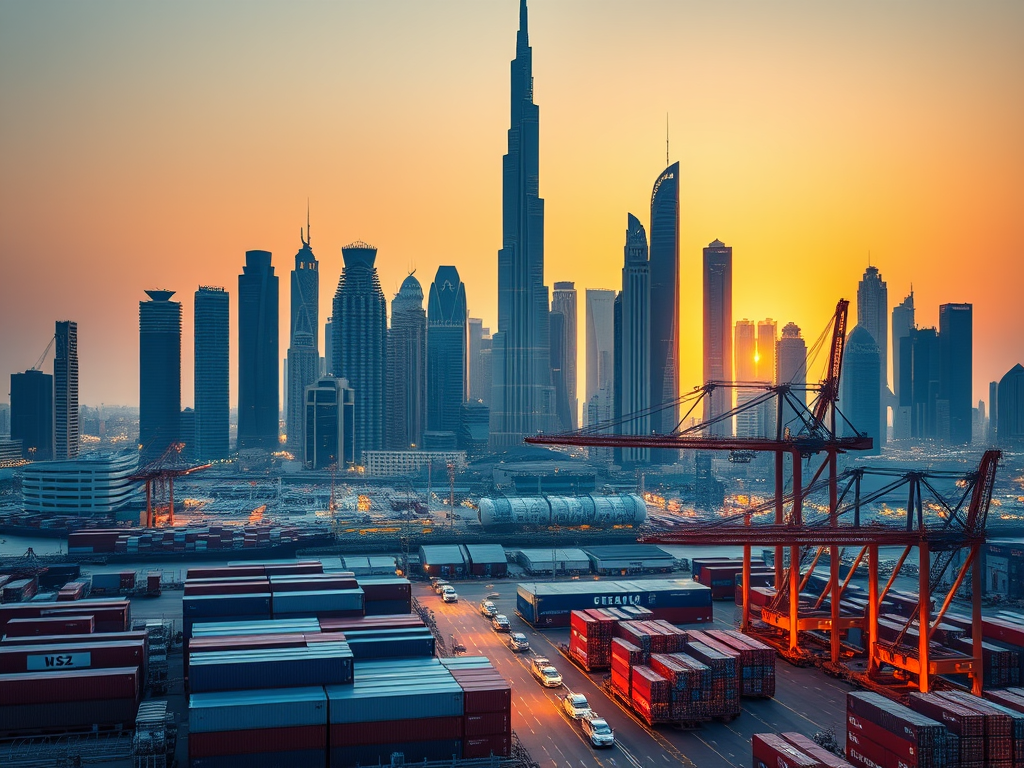
The UAE, particularly Dubai, is well-positioned to benefit from the ongoing US-China tariff war. Increased transshipment, re-exports, and potential Chinese investments in Dubai’s logistics and manufacturing sectors could drive economic growth. Analysts highlight Dubai’s free zones, infrastructure, and neutrality as key factors attracting businesses seeking alternatives to direct US-China trade routes.
Key Insights & Data
| Factor | Details |
|---|---|
| US Tariffs on China | 10% tariff imposed by the US on Chinese goods in early 2024 (small-value packages exempted). |
| China’s Exports to the US | December 2024: $48.83 billion; November 2024: $47.31 billion. |
| Dubai’s Role | Acts as a global trade hub, offering supply chain diversification, re-exports, and transshipment benefits. |
| Chinese Manufacturer Strategy | Seeking alternative markets, lowering prices to stay competitive, and relocating to countries like Vietnam and UAE. |
| UAE’s Competitive Edge | Free zones, infrastructure, strategic location, tax benefits, and government initiatives like CEPAs. |
| Potential Economic Benefits | Growth in trade flows, increased corporate presence, and job creation in logistics, e-commerce, and manufacturing. |
| Industry Expert Views | Analysts suggest Dubai is a viable base for businesses mitigating tariff risks, with a bright outlook for the next 3-4 years. |
Dubai’s proactive policies and strategic location could make it a major beneficiary as global trade routes shift in response to geopolitical tensions.



 Glottis Limited
Leave a comment