

Introduction
India and Russia have witnessed a significant surge in trade via the International North South Transport Corridor (INSTC). This trade route has not only reduced costs but also enhanced efficiency, making it a strategic alternative to traditional transport channels. With bilateral trade reaching an all-time high, stakeholders are keenly monitoring future developments in this crucial trade corridor.
Key Developments in India-Russia Trade via INSTC
1. Trade Growth and Economic Impact
- The trade volume between India and Russia has doubled over the past year, demonstrating the growing importance of the INSTC.
- In 2024, bilateral trade reached a record USD 66 billion, marking a fivefold increase over the past five years.
- By 2030, both nations aim to achieve a trade target of USD 100 billion.
2. Addressing Trade Deficit
- Despite the trade surge, India faces a trade deficit with Russia, estimated at approximately USD 25.11 billion.
- To mitigate this, efforts are being made to boost Indian exports, especially in pharmaceuticals, textiles, and engineering goods.
3. Logistics and Cost Efficiency
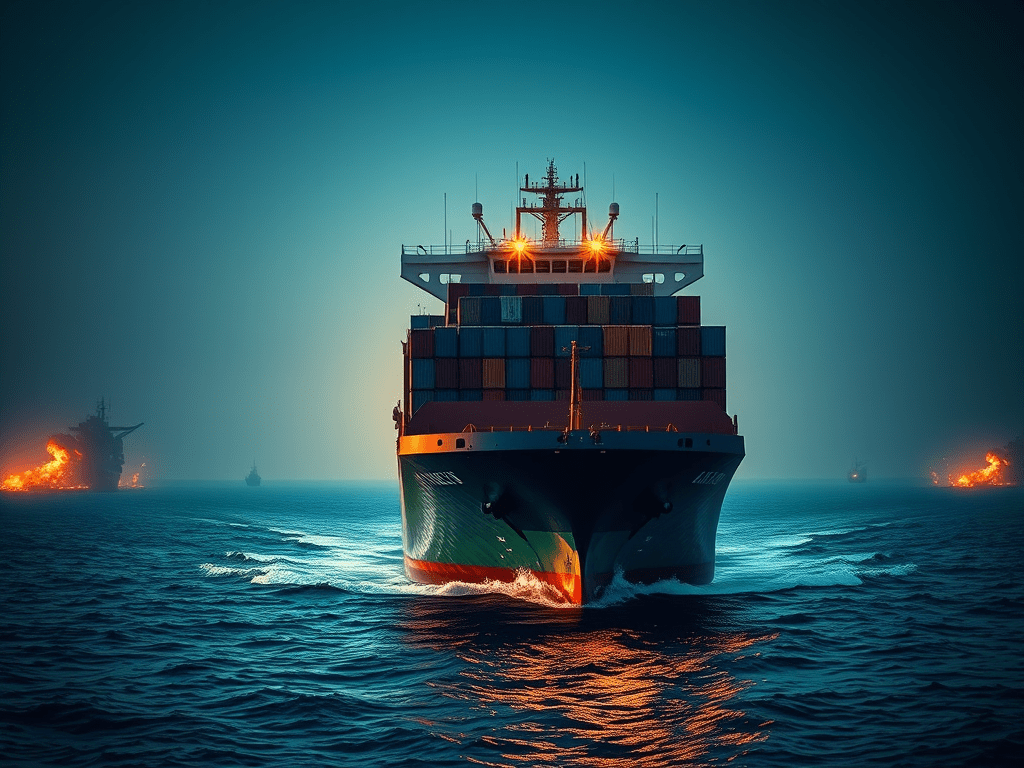
- The eastern route of the INSTC has emerged as the most efficient trade corridor, reducing transit times significantly. For instance, goods can now be transported from Moscow to Bandar Abbas in just 16 days.
- The net cost of transportation along the eastern route has dropped by over 56%, contributing to increased trade volumes (which have risen by 1.7 times).
4. Key Trade Sectors and Commodities
- Indian Exports: Pharmaceuticals, textiles, rice, plastics, and construction materials.
- Russian Exports: Paper products, lumber, hygiene products, and food items.
- Pharmaceuticals remain a key sector for India, as it was the largest supplier of pharmaceuticals to Russia in 2023.
5. Infrastructure Development and Alternative Routes
- The construction of the Rasht-Astara rail link is expected to enhance connectivity and further boost trade efficiency.
- Beyond the eastern route, alternative routes via Armenia and potential connections to the Northern Sea Route are under exploration to diversify trade pathways.
Future Trends in India-Russia Trade via INSTC
| Trend | Impact & Implications |
|---|---|
| Increased Trade Volume | Continued growth towards USD 100 billion trade target by 2030. |
| Export and Import Diversification | Expansion of traded goods beyond traditional sectors, with a focus on high-value products. |
| Logistics and Infrastructure Advancements | Enhanced transport efficiency through projects like the Rasht-Astara rail link. |
| Greater Use of the Eastern Route | Likely to become the preferred pathway for trade, optimizing delivery times and costs. |
| Digitalization in Trade & Logistics | Adoption of tracking, automation, and AI-driven solutions for better supply chain management. |
| Sustainability in Trade Practices | Increased focus on eco-friendly transport solutions and green supply chain strategies. |
| Geopolitical Influences | Changes in global trade policies, sanctions, and alliances shaping trade routes and regulations. |
| Economic Resilience Strategies | Diversification of trade partners and investments to cushion against economic fluctuations. |
| Sectoral Investments | Strengthening collaboration in technology, defense, and energy sectors. |
| Exploration of Alternative Trade Routes | Expansion into new corridors such as routes via Armenia and the Northern Sea Route. |
Conclusion
The India-Russia trade relationship via the INSTC is set to grow further, driven by logistics improvements, economic partnerships, and strategic investments. As both nations work towards reducing trade imbalances and optimizing transport routes, stakeholders must adapt to emerging trends to capitalize on new opportunities. With the ongoing infrastructure enhancements and technology-driven efficiencies, the INSTC is poised to become a cornerstone of India-Russia trade relations in the coming decade.

 Glottis Limited
Leave a comment