
Introduction
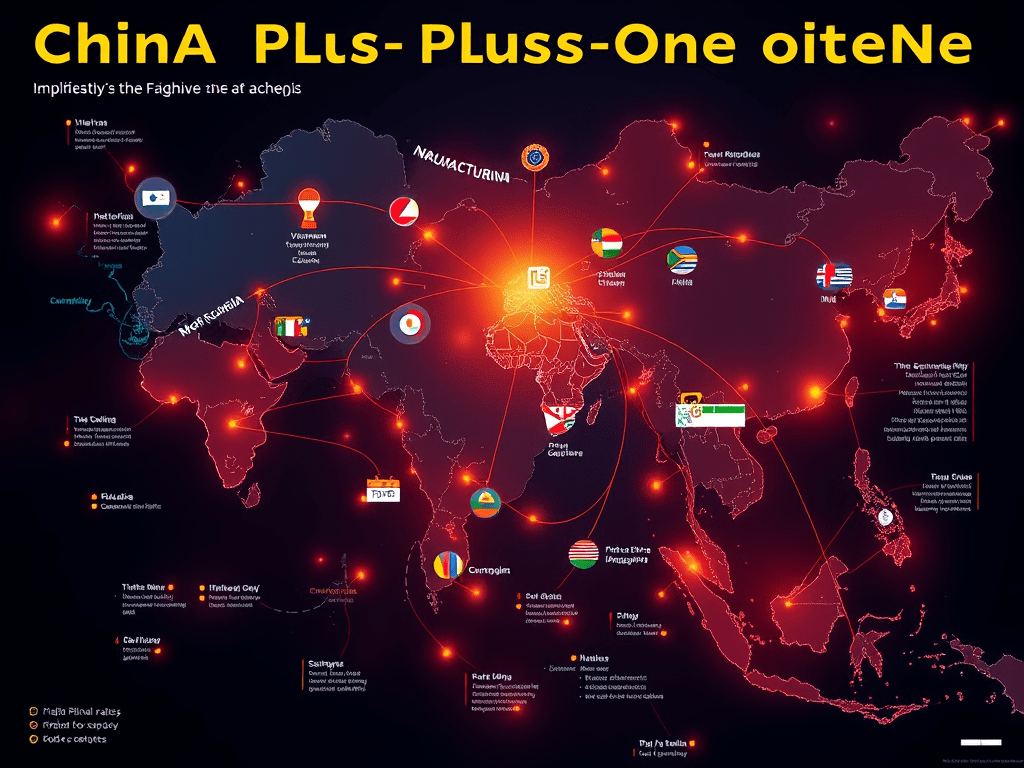
The global manufacturing landscape is undergoing a significant transformation as companies adapt to shifting trade policies, rising labor costs, and geopolitical uncertainties. The China Plus One strategy has emerged as a prominent approach, urging manufacturers to diversify their operations beyond China to mitigate risks and optimize costs. However, this transition comes with its own set of challenges and strategic considerations.
The China Plus One Strategy
The China Plus One strategy involves companies expanding their manufacturing footprint beyond China by establishing operations in other countries such as Vietnam, India, Malaysia, and Indonesia. The primary drivers behind this movement include:
- Rising labor costs in China.
- Uncertainty in trade policies, especially U.S.-China tariff conflicts.
- Geopolitical risks and supply chain vulnerabilities.
Key Challenges in Diversification
While the strategy offers several advantages, its implementation is complex. Companies face hurdles such as:
- Infrastructure limitations: Many alternative manufacturing hubs lack the robust infrastructure that China offers.
- Workforce shortages: Skilled labor availability varies significantly across regions.
- Regulatory hurdles: Compliance with local laws and trade policies poses additional challenges.
- Freight market volatility: Transportation and logistics costs fluctuate, affecting supply chain stability.
Trade Policy Impacts
The ongoing U.S.-China trade war has escalated tariffs on Chinese imports, forcing manufacturers to reconsider their production bases. The following table highlights key tariff changes and their effects:
| Trade Policy Shift | Impact on Manufacturing |
|---|---|
| Increased Tariffs on Chinese Goods | Higher production costs in China, leading to relocations. |
| Tariff-Free Incentives in Vietnam & India | Surge in manufacturing investments in these countries. |
| Reciprocal Tariffs on Emerging Hubs | Potential future risks for manufacturers relocating from China. |
Structural Shifts in Supply Chains
Moving production out of China is not merely a cost-cutting exercise but a long-term strategic investment. Companies must evaluate:
- Political and economic stability of alternative locations.
- Time and capital investments required for setting up new facilities.
- Local regulatory compliance to ensure smooth operations.
Regulatory Pressures and Compliance
The U.S. Customs and Border Protection (CBP) has intensified scrutiny on trade practices, focusing on transshipment activities. Companies must ensure their goods are not being rerouted to bypass tariffs. CBP has leveraged AI and data analytics to track product origins and enforce compliance.
| Compliance Measure | Impact on Companies |
| Stricter Transshipment Regulations | Increased due diligence required in supply chain operations. |
| AI-driven Trade Monitoring | Companies must ensure transparent sourcing and documentation. |
| Penalties for Non-Compliance | Risk of fines, shipment delays, and loss of market access. |
Conclusion
As global trade dynamics continue to evolve, manufacturers must navigate a complex landscape of risks and opportunities. The China Plus One strategy offers a viable path to diversify supply chains, but it requires careful planning, substantial investment, and compliance with global trade regulations. Companies that successfully adapt to these changes will be better positioned to thrive in the evolving global economy.




 Glottis Limited
Leave a comment