
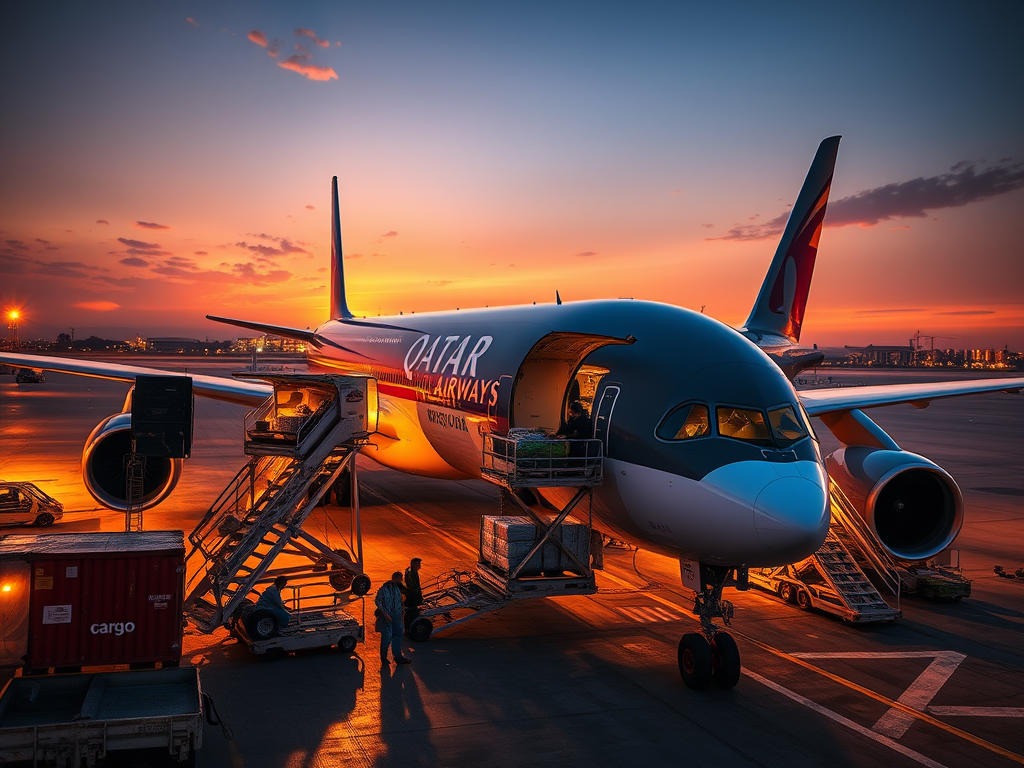
Qatar Airways’ cargo division is poised for significant expansion in India, a market that contributes approximately 10% of the airline’s global revenue. The expansion is expected to enhance cargo capacity, boost revenue, and address rising demand in key sectors. However, regulatory challenges and external economic factors may impact these growth plans.
Key Developments in Qatar Airways’ India Cargo Expansion
| Aspect | Details |
|---|---|
| Expansion Plans | Qatar Airways is increasing its cargo operations in India. |
| Revenue Growth | Expected revenue growth of 9-12% due to rising demand for perishables, pharmaceuticals, and high-value goods. |
| Cargo Capacity | Transports 2,700 tonnes of cargo weekly, with nearly 100 flights per week to and from India. |
| Recent Capacity Increase | Increased cargo capacity by 20% in August and September 2025. |
| Regulatory Challenges | Bilateral agreements restrict passenger belly cargo, impacting cargo growth. |
| Cargo Composition | Pharmaceuticals (15%) and perishables (70%) dominate cargo from India. |
| Impact of U.S. Tariffs | Expected 25% tariff on Indian pharmaceutical imports by the U.S. could impact cargo volume. |
| Leadership Insights | Chief Officer Cargo, Mark Drusch, highlights regulatory barriers limiting further growth. |
Impact on Cargo Rates
The expansion of Qatar Airways’ cargo operations in India will have a notable impact on cargo rates. Several factors will influence pricing trends:
| Factor | Potential Impact on Cargo Rates |
| Increased Capacity | May stabilize or reduce rates due to higher availability. |
| Demand Growth | Rising demand for perishables and pharmaceuticals could push rates higher. |
| Regulatory Constraints | Limited passenger belly cargo could lead to higher rates. |
| Tariff Implications | Potential U.S. tariffs on Indian pharmaceuticals may create market instability and affect rates. |
| Market Competitiveness | Expansion may trigger competitive pricing among airlines. |
| Goods-Specific Trends | High perishables demand may sustain premium pricing. |
Conclusion
Qatar Airways’ cargo expansion in India presents both opportunities and challenges. While increased capacity may improve efficiency and stabilize rates, demand fluctuations, regulatory constraints, and geopolitical trade policies could impact cargo pricing. The airline’s ability to navigate these factors will determine the success of its expansion in the Indian market.




 Glottis Limited
Leave a comment