
Introduction
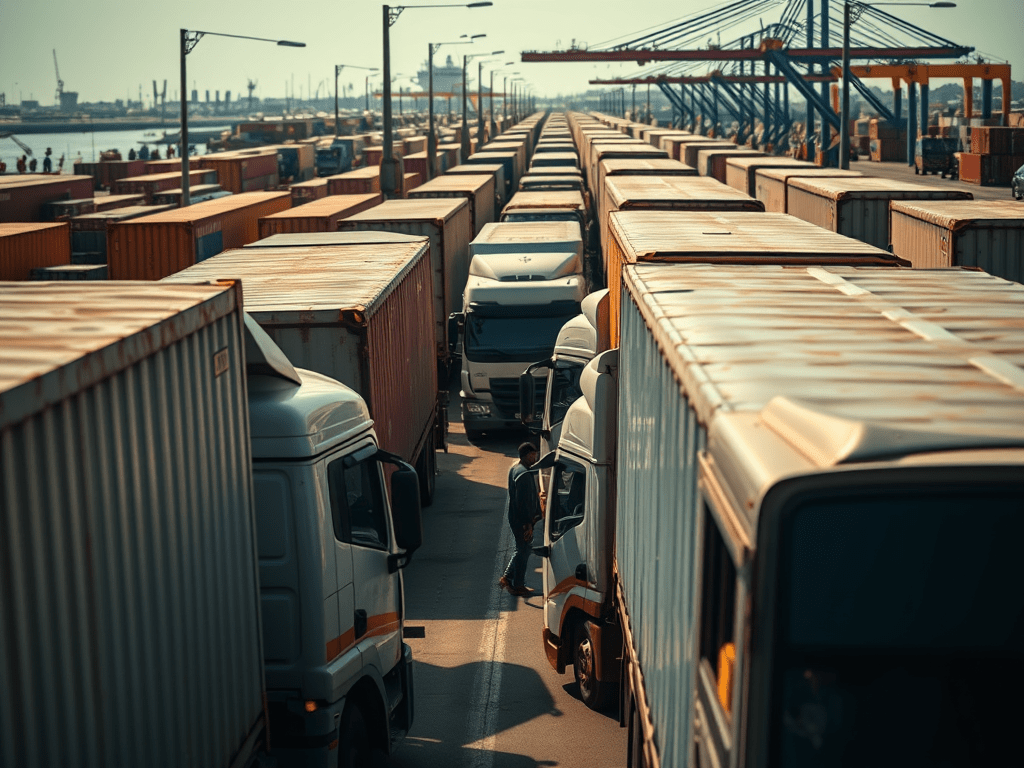
The cost of transporting cargo from Apapa Port has reached unprecedented levels, significantly affecting importers and logistics operators. Stakeholders in the industry are raising concerns over the high haulage costs, corruption, and operational inefficiencies that make Apapa less competitive compared to other Nigerian ports.
High Haulage Costs
The cost of moving containers from Apapa Port has soared, putting financial pressure on businesses. Below is a comparative analysis of haulage costs across major ports in Nigeria:
| Feature/Aspect | Apapa Port | Tin Can Island Port | Lekki Port |
|---|---|---|---|
| Haulage Cost (40ft) | N900,000 | N350,000 | N550,000 |
| Haulage Cost (20ft) | N400,000 | (Not specified) | (Not specified) |
The sharp contrast in haulage costs between Apapa and Tin Can Island highlights the need for systemic reforms.
Factors Contributing to High Costs
1. Corruption and Multiple Checkpoints
- Logistics companies face extortion at numerous checkpoints set up by security agencies and truck owner associations.
- These checkpoints cause unnecessary delays and inflate transportation costs.
2. Delays in Accessing the Port
- Trucks sometimes take days to gain entry into Apapa Port, further complicating logistics planning.
- This significantly impacts cargo turnover rates and delays deliveries.
3. Call for System Reform
- Stakeholders are pushing for a reduction in the number of task forces and checkpoints along the transport route.
- Simplifying the Eto Call-up System could help minimize inefficiencies and lower costs.
Market Competition and Business Impact
- Cargo from Apapa and Tin Can serve the same markets, yet Apapa’s higher costs make it a less attractive option.
- Importers are increasingly looking at alternative ports with lower haulage costs and smoother operations.
- The following table highlights operational challenges across ports:
| Feature/Aspect | Apapa Port | Tin Can Island Port | Lekki Port |
| Access Time | Takes days due to multiple checkpoints | Relatively quicker access | Streamlined access reported |
| Checkpoint Issues | Multiple checkpoints and extortion | Fewer issues | Minimal interference |
| Corruption Issues | High corruption impacts costs | Lower levels of corruption | Fewer corruption challenges |
| Competitive Edge | High costs drive importers to Cotonou | Lower costs attract business | Increasingly preferred by importers |
| Regulatory Challenges | Complex customs procedures | More straightforward process | No significant regulatory hurdles reported |
The Shift to Alternative Ports
Due to escalating costs and operational bottlenecks, many importers are considering rerouting cargo through Cotonou. The need for a competitive and efficient logistics framework in Nigeria has never been more urgent.
Key Takeaways
- Cost Discrepancy: Apapa’s haulage costs are disproportionately higher, making it less competitive.
- Operational Delays: Corruption and checkpoints cause significant delays, hindering efficiency.
- Port Efficiency: Tin Can and Lekki offer better logistics solutions, prompting businesses to look elsewhere.
Conclusion
For Nigeria’s logistics sector to remain competitive, it is critical to address the inefficiencies at Apapa Port. Eliminating excessive checkpoints, streamlining port access, and reducing corruption will play a pivotal role in lowering haulage costs and improving the ease of doing business for importers and logistics operators.




 Glottis Limited
Leave a comment