

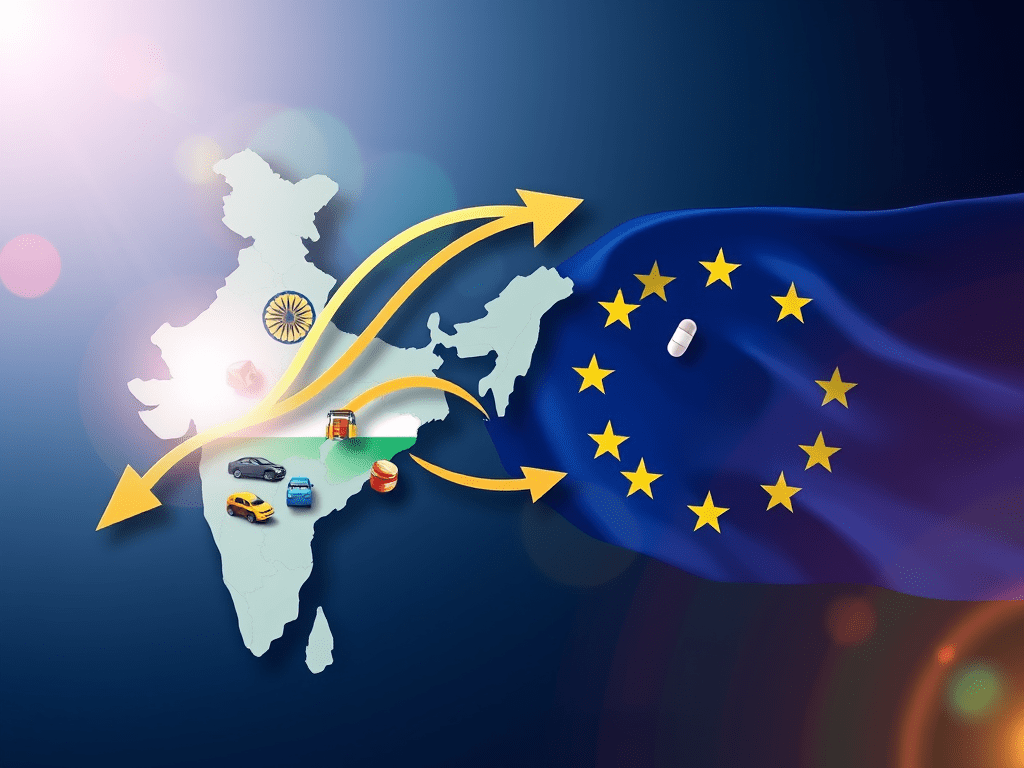
India has officially terminated the trans-shipment facility that allowed Bangladesh to export goods to third countries via Indian land customs stations. Effective April 8, 2025, this decision is expected to significantly alter trade logistics in South Asia, with widespread implications for exporters, logistics providers, and regional trade relations.
📊 Key Highlights of the Termination
| Aspect | Details |
|---|---|
| Policy Change | India revoked the trans-shipment facility for Bangladesh, effective April 8, 2025. |
| Original Agreement | Facility introduced in June 2020, enabling Bangladesh to export via Indian land borders to countries like Nepal, Bhutan, and Myanmar. |
| Beneficiaries of Revocation | Indian textile and apparel exporters, citing competitive disadvantage under the previous system. |
| Bangladesh Concerns | Fears of logistics disruptions, increased costs, and delays due to lack of access to Indian infrastructure. |
| WTO Implications | Raises questions on freedom of transit obligations, especially for landlocked nations like Nepal and Bhutan. |
| Reported Issues | Indian exporters cited air cargo congestion, especially at Delhi air cargo terminal, and higher air freight rates. |
| Export Bodies Involved | Apparel Export Promotion Council (AEPC) urged for policy reversal, citing operational bottlenecks. |
⚖️ What Prompted the Move?
India’s decision to withdraw the facility wasn’t abrupt—it stemmed from multiple trade and policy concerns:
- Competitive Pressure from Bangladesh
Bangladesh’s duty-free access and use of Indian routes created a pricing edge in global markets, particularly in textiles, triggering calls from Indian exporters for fairer conditions. - Logistics Congestion in Indian Terminals
The presence of Bangladeshi cargo reportedly led to delays and higher freight rates, affecting the performance of Indian exporters using shared facilities. - Policy Push for Domestic Industry
The move aligns with India’s broader strategy to prioritize domestic manufacturing and exports, particularly in competitive sectors. - Appeals from Export Bodies
The AEPC and other organizations lobbied to reclaim capacity for Indian goods, citing slowdowns caused by third-country shipments.
🌏 Regional & Global Trade Implications
- Bangladesh’s Export Costs Likely to Rise
With Indian routes blocked, Bangladesh may need to restructure trade routes, possibly relying more on sea transport, leading to higher costs and transit times. - Nepal and Bhutan May Feel the Pinch
As landlocked nations depending on seamless regional trade corridors, they might face restricted access or delays in third-country trade. - WTO Compliance Questions
The move could draw scrutiny under WTO’s transit freedom norms, potentially leading to diplomatic or legal discussions at the international level.
🧭 Strategic Realignment in South Asian Trade
India’s withdrawal of the trans-shipment facility marks a strategic effort to balance regional cooperation with national economic interests. While it strengthens India’s domestic industries in the short term, it could lead to diplomatic friction or a push for regional trade renegotiations.
📝 Conclusion
India’s revocation of the trans-shipment facility for Bangladesh represents a turning point in South Asian trade dynamics. While Indian exporters welcome the move for the operational relief it offers, Bangladesh and its regional trade partners must now recalibrate their logistics strategies. How this evolves—particularly under the watchful eye of the WTO—will shape the next phase of intra-Asian commerce.


 Glottis Limited
Leave a comment