

Hong Kong, April 2025 — A recent incident involving the abandonment of goods by a Chinese exporter en route to the United States has sent shockwaves across the global logistics and shipping industry. With rising trade tensions and harsh tariff policies, Hong Kong’s shippers and trade organizations are now cautioning exporters against taking drastic actions that could have far-reaching consequences.
Goods Abandonment Sparks Industry Concern
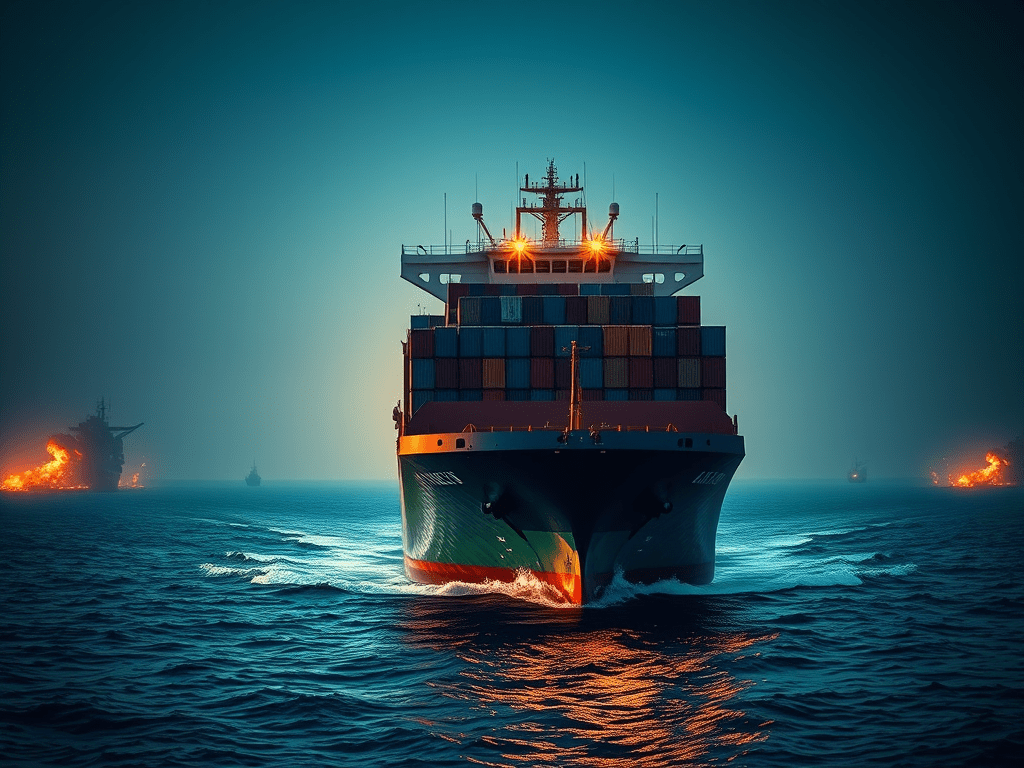
In a rare and highly disruptive move, a Chinese exporter recently surrendered shipping containers mid-voyage in an attempt to evade steep U.S. tariffs. The goods, originally bound for the U.S. market, were abandoned at sea — an act now under intense scrutiny by industry stakeholders.
Consequences of Abandoning Shipments
This decision, while seemingly a short-term tactic to avoid financial loss, opens the door to a slew of serious consequences for exporters.
Table: Consequences of Abandoning Export Goods
| Aspect | Impact |
|---|---|
| Financial Loss | Complete forfeiture of goods and sunk logistics costs |
| Insurance Coverage | No compensation due to breach of shipping contract obligations |
| Legal Risks | Potential lawsuits from buyers, importers, and logistic partners |
| Reputational Damage | Damaged credibility for the exporter and negative perception of Chinese trade |
| Trade Impact | Deterred future orders and strained buyer confidence |
Warnings from Hong Kong Trade Bodies
In light of this alarming case, the Hong Kong Shippers’ Council and other trade organizations have issued public warnings to exporters. These groups stress that such practices are “irrational, irresponsible, and harmful to the industry as a whole.”
Willy Lin Sun-mo, Chairman of the Hong Kong Shippers’ Council, remarked:
“Abandoning shipments might seem like a shortcut to avoid tariffs, but it’s a dangerous strategy that leads to financial loss, legal exposure, and long-term damage to business credibility. It’s a lose-lose for everyone involved.”
Backdrop: U.S. Tariff Policy Driving Pressure
The root of the issue lies in the tariff escalation between China and the United States. Under the Trump administration, new import policies have increased the tariff burden on Chinese goods.
- 145% Tariff Announced: On many Chinese imports to the U.S.
- 90-Day Adjustment Period: Temporary pause allows a baseline tariff of 10% for other countries, adding pressure on Chinese exporters.
These high tariffs have made it increasingly difficult for Chinese exporters to stay competitive in global markets, triggering desperate moves to avoid penalty costs.
The Bigger Picture: Challenges in Global Trade
This incident highlights the growing uncertainty in international trade, especially for exporters operating under unpredictable policy shifts. With global supply chains under strain, transparent, legal, and reputation-conscious practices are more important than ever.
Industry experts also warn that such behavior could invite stricter regulatory checks, higher insurance premiums, and even blacklisting of companies involved in cargo abandonment.
Conclusion: Responsible Trade Over Risky Tactics
The abandonment of goods is a cautionary tale in today’s volatile trade environment. As pressures mount from evolving tariff structures and geopolitical strategies, exporters are urged to prioritize long-term credibility over short-term evasive maneuvers.
Staying compliant, leveraging government trade incentives, and maintaining solid logistics partnerships will be crucial for navigating the new normal in global commerce.


 Glottis Limited
Leave a comment