
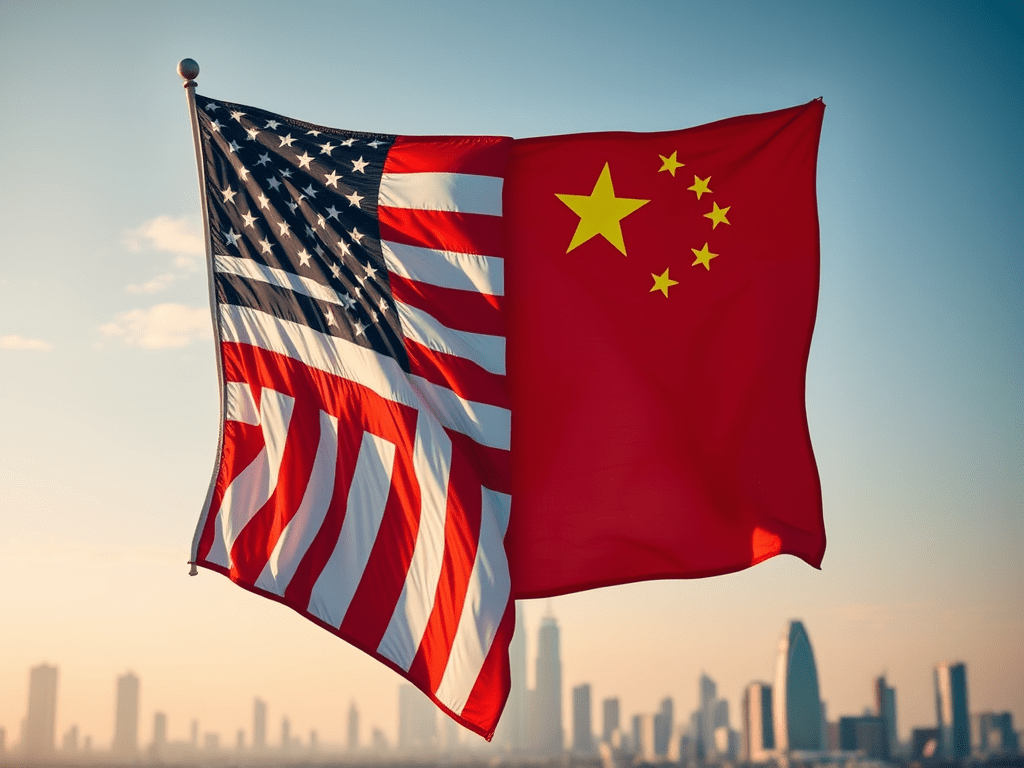
In a significant move aimed at de-escalating ongoing trade tensions, the United States and China have agreed to a temporary 90-day suspension of select tariffs. The breakthrough was jointly announced by U.S. Treasury Secretary Scott Bessent and his Chinese counterparts, marking a notable turning point in bilateral trade negotiations.
Key Provisions of the Agreement
Both nations have committed to drastically lowering their tariff rates, setting the stage for more constructive economic engagement. The tariff rollback is not only a tactical measure but also signals mutual intent to pursue longer-term stability in trade relations.
Tariff Reduction Details
| Country | Previous Tariff Rate | New Tariff Rate | Reduction (%) |
|---|---|---|---|
| United States on Chinese goods | 145% | 30% | -115% |
| China on American goods | 125% | 10% | -115% |
Total Combined Reduction: 115%
Constructive Dialogue and Market Response
Scott Bessent characterized the talks as constructive, emphasizing the establishment of effective communication protocols aimed at preventing future escalations. This new diplomatic tone has not gone unnoticed—financial markets responded with optimism, including a notable rally in the Hang Seng Index in Hong Kong.
Implications and the Road Ahead
Despite the progress, Bessent remarked that China’s economy is still in the midst of transitioning toward a consumption-driven model. This structural challenge could influence the scope and success of future negotiations. However, the respect shown by both parties during recent talks offers hope for continued cooperation.
Conclusion
The 90-day tariff suspension is more than a short-term reprieve—it symbolizes a willingness from both superpowers to engage in meaningful dialogue. As future rounds of negotiation unfold, global markets and industries will be watching closely, hoping this truce marks the beginning of a more stable trade relationship.




 Glottis Limited
Leave a comment