
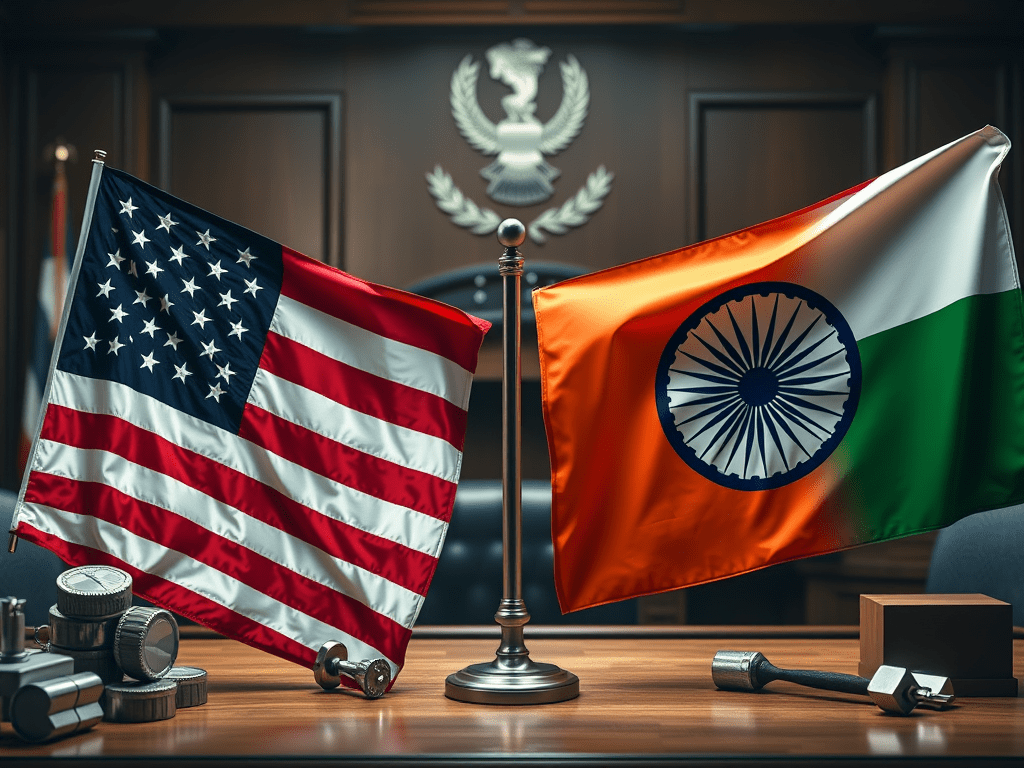
The recent rejection by the United States of India’s notice to the World Trade Organization (WTO) has reignited trade tensions between the two countries. At the center of the dispute is the US’s decision to double import tariffs on steel and aluminum, a move India sees as damaging to its export interests and potentially unjustifiable under international trade rules.
Backdrop of the Dispute
The US administration recently doubled tariffs on steel and aluminum imports from 25% to 50%, citing national security concerns. India, in response, has filed a notice at the WTO and is considering retaliatory actions, including suspending trade concessions and imposing additional tariffs on select US products.
| Key Action | Details |
|---|---|
| US Tariff Increase | Steel and aluminum duties raised from 25% to 50% (effective June 4) |
| India’s WTO Response | Formal notification sent to WTO; possible retaliation post-June 8 |
| US Justification | National security grounds |
| India’s Position | Seeks to treat them as safeguard measures, not security |
India’s Export Exposure to the US
The US is a significant market for Indian metal exports. In FY2025, India exported $4.56 billion worth of metal products, including large volumes of iron, steel, and aluminum—all of which are now at risk.
| Export Category | Value to US (FY2025) |
|---|---|
| Total Metal Exports | $4.56 billion |
| – Iron & Steel | Substantial share |
| – Aluminum | Substantial share |
India’s Possible Retaliatory Measures
India is exploring several options to counter the impact of the US’s steep tariff hikes. These could affect major US exports to India, including almonds and walnuts, which are particularly sensitive to changes in duty structures.
| Potential Indian Actions | Target Areas |
|---|---|
| Retaliatory Tariffs | Almonds, walnuts, and other US imports |
| Suspension of Trade Concessions | Certain American imports |
| Monitoring Export Impact | Focus on steel and aluminum sectors |
| Reassessment of Tariff Strategy | Adjustments based on negotiation results |
Diplomatic and Trade Negotiation Outlook
Despite the immediate tensions, both sides appear open to diplomatic dialogue. A US negotiation team is expected to visit India soon to discuss potential solutions, likely within the framework of a proposed Bilateral Trade Agreement (BTA).
| Upcoming Action | Details |
|---|---|
| US Delegation Visit | For early harvest deal discussions under BTA framework |
| India’s WTO Approach | Push to reclassify tariffs as safeguard measures |
| Trade Resolution Timeline | Dependent on BTA negotiations and WTO mediation |
Wider Implications for Global Trade
Trade experts warn that unilateral tariff increases, especially under the guise of national security, undermine the multilateral trade system and can trigger retaliatory cycles that harm both economies. For India, maintaining competitiveness in global markets while defending its strategic trade interests will be a delicate balance.
Conclusion: Strategic Patience and Firm Diplomacy
India’s response will blend diplomacy, strategic trade policy, and WTO mechanisms. The outcome of negotiations and India’s handling of retaliatory measures will shape not only bilateral trade relations with the US but also set the tone for its engagement in future global trade disputes.


 Glottis Limited
Leave a comment