
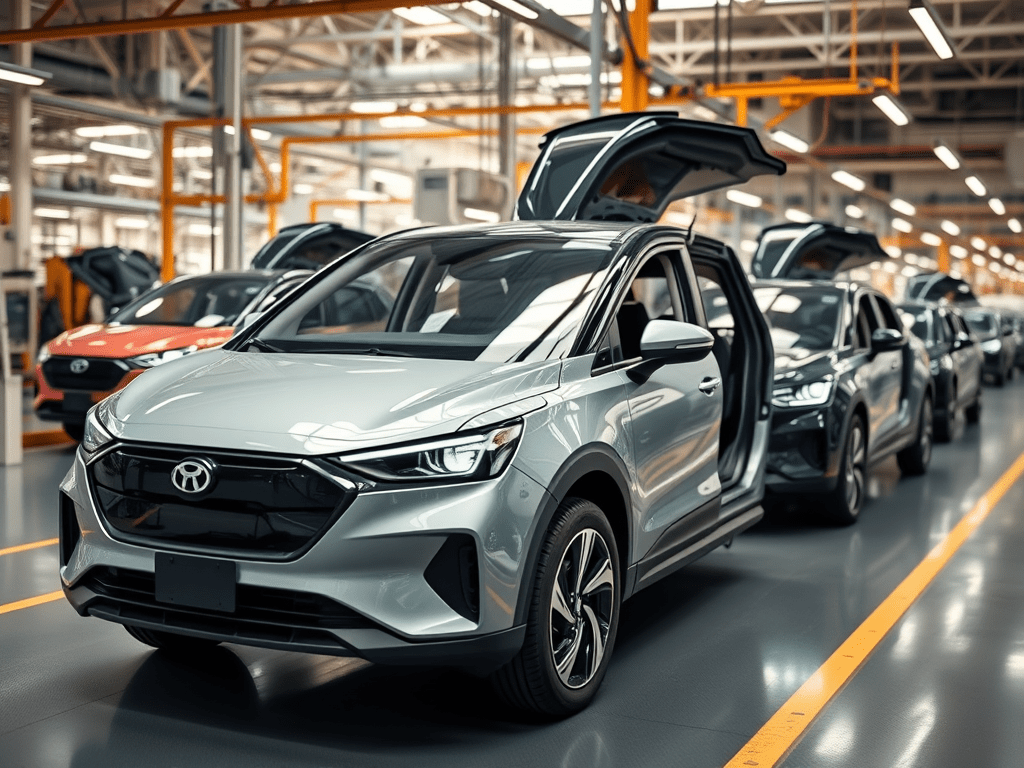
Chinese electric vehicle giant BYD is making significant strides in Latin America by setting up a large-scale EV manufacturing operation in Bahia, Brazil. The plant, situated on the site of a former Ford factory, marks a pivotal moment in Brazil’s push toward green mobility, even as it raises concerns within the local industry and regulatory framework.
Aiming for Market Penetration and Cost Efficiency
BYD’s initial plan involves assembling 50,000 vehicles per year using imported knock-down kits (CKD). This strategy leverages Brazil’s temporary lower import tariffs, allowing BYD to establish a presence while delaying the capital-intensive shift to full local manufacturing.
However, regulatory approvals are still pending, and ongoing labor controversies have placed BYD under increased scrutiny from Brazilian authorities.
Key Developments: BYD Brazil EV Factory
| Point | Details |
|---|---|
| Factory Location | Bahia, Brazil (Former Ford plant acquired in 2023) |
| Initial Operation Start | Expected imminently |
| First-Year Production Goal | Approx. 50,000 vehicles from CKD kits |
| Import Strategy | Uses temporary low tariffs to import kits before domestic production ramps up |
| Past Imports | ~22,000 finished EVs shipped from China (Jan–May 2025) |
| Regulatory Status | Final government approvals still pending |
| Labor Disputes | Facing a lawsuit alleging human trafficking and labor abuse |
| Job Creation | Up to 20,000 direct and indirect jobs projected |
| Full Production Timeline | Full-scale domestic production expected by July 2026 |
| Local Industry Reaction | Criticism from Brazil’s auto manufacturers over reliance on Chinese content |
Outlook: A Balancing Act Between Growth and Compliance
BYD’s entry into Brazil aligns with the country’s long-term green vehicle ambitions, but also presents a balancing act. While the investment may boost employment and EV adoption, it must address regulatory compliance, labor ethics, and local manufacturing concerns to maintain support from both the public and government.
With July 2026 set as the target for full domestic production, all eyes will be on how BYD navigates this critical phase of its global expansion.



 Glottis Limited
Leave a comment