
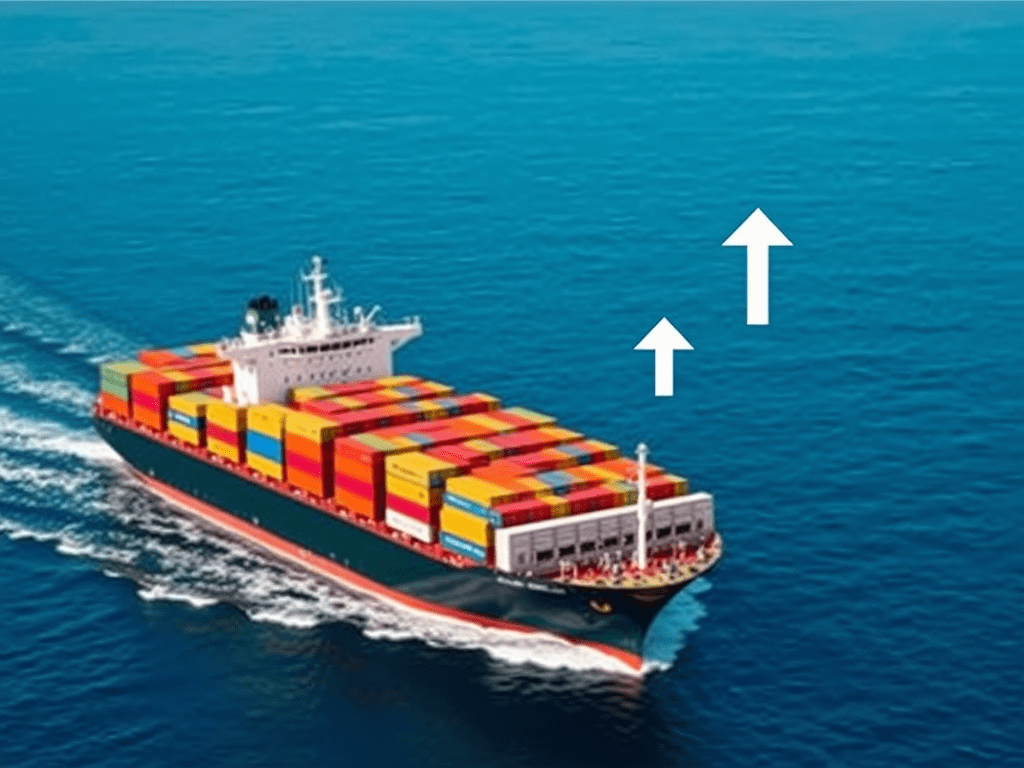
After six consecutive weeks of increases, container freight rates on the Asia–North Europe route have shown their first sign of easing. The Shanghai–Rotterdam leg, a critical segment of this corridor, saw a 2% week-on-week decline, settling at $3,384 per 40-foot container.
This recent dip marks a potential shift in market momentum and is being closely watched by both shippers and carriers for signs of broader corrections or volatility.
Key Data Overview
| Aspect | Details |
|---|---|
| Trade Lane | Asia–North Europe (Shanghai to Rotterdam) |
| Current Spot Rate | $3,384 per 40ft container |
| Weekly Change | ↓ 2% |
| Previous Trend | Six consecutive weeks of rising rates |
| Industry Reaction | Seen as a setback for shippers who rely on predictable rate movements |
| Other Industry Movements | Gemini reintroduces direct Asia–Europe calls; container volumes between Far East and North America decline |
| Full Article Access | Requires subscription or registration |
Market Insights
This rate adjustment, though modest, could indicate that the recent pricing surge may have reached a temporary peak. With global trade still reacting to fluctuating demand, port congestion, and capacity management, even minor shifts in spot rates are drawing scrutiny.
Industry analysts describe this drop as “another painful headache for shippers,” pointing to the difficulty of forecasting logistics costs amid market instability. The rate volatility complicates contract negotiations, capacity planning, and overall freight budgeting.
Broader Context
The article also referenced:
- The Gemini Cooperation’s reintroduction of direct calls on the Asia-Europe route — a move possibly aimed at capturing time-sensitive demand.
- A decline in container volumes between the Far East and North America, reflecting shifting trade patterns and consumer behavior.
Together, these developments suggest that carriers are rebalancing services while trying to adapt to changing volume trends and maintaining profitability.
What’s Next?
While this could be a temporary correction, all eyes will remain on upcoming rate releases and market behaviors. If the decline continues, shippers might see improved negotiating positions, especially as the peak season approaches.
However, given ongoing geopolitical tensions, equipment imbalances, and fuel cost variability, any relief may be short-lived.




 Glottis Limited
Leave a comment