
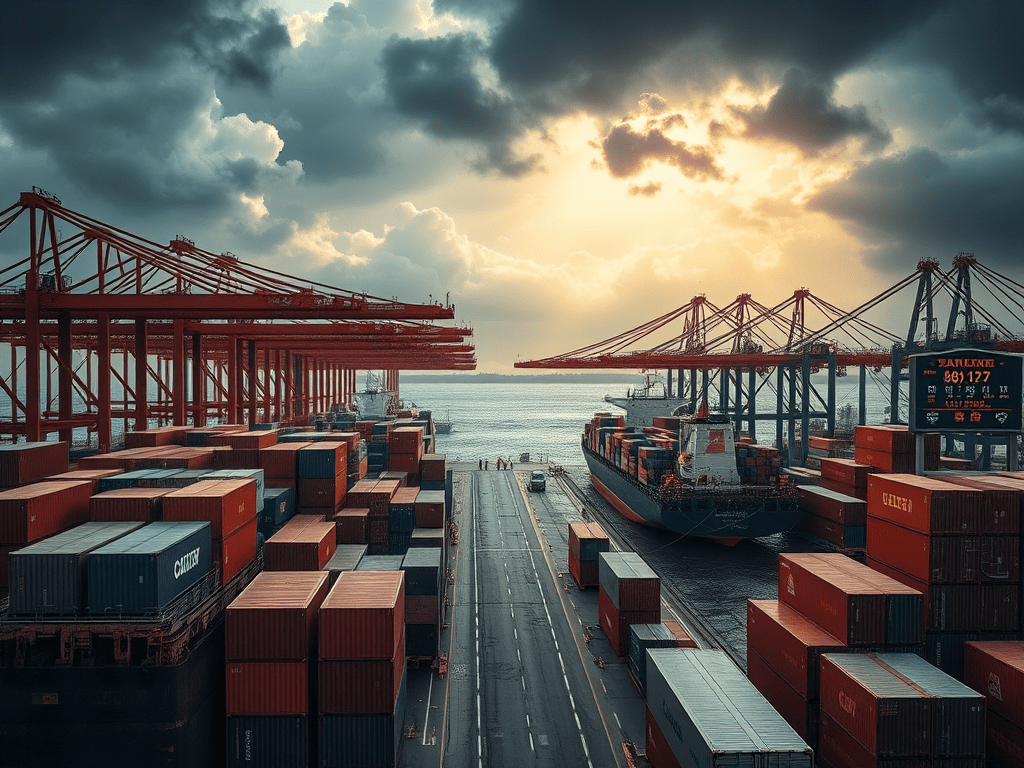
The global shipping and logistics industry is once again navigating through turbulent waters as tariff threats and policy uncertainties from the U.S. administration cast a shadow over international trade routes. President Trump’s recent social media threat of imposing a 30% tariff on imports from Mexico and the European Union has triggered anxiety across global markets.
While formal announcements are still pending, shippers, forwarders, and manufacturers are already facing ripple effects. From reduced container volumes to shifting supply chain strategies, the impact of tariff rhetoric is undeniable.
Key Developments and Impacts
Industry leaders like Maersk have sounded the alarm, urging logistics stakeholders to prepare customs plans well ahead of upcoming tariff reassessments, ominously dubbed “Liberation Day.” At the same time, experts advise caution, recommending reliance on official communications rather than social media posts when assessing trade policy changes.
U.S. retailers like Kohl’s are reportedly adjusting their supply chains to buffer against the uncertainty, signaling broader structural changes in sourcing and inventory management.
Tariff-Related Trade Impact: Summary Table
| Aspect | Details |
|---|---|
| Tariff Proposal | 30% tariff threatened on imports from Mexico and EU (President Trump) |
| Official Communication | Shippers advised to wait for formal government announcements |
| Shippers’ Preparedness Call | Maersk recommends customs strategy readiness for “Liberation Day” |
| Container Volume Decline | 14.8% drop in container traffic between Far East and North America |
| Impact on Retailers | Kohl’s and others adjusting supply chains to hedge against tariff risks |
| Expert Guidance | Avoid reliance on social media; await verified trade updates |
| Global Trade Outlook | Uncertainty threatening growth; affecting importers and manufacturers |
Conclusion
As trade tensions remain unresolved, the logistics sector must brace for potential disruption. The looming tariff decisions could redefine shipping routes, sourcing models, and global market dynamics. Industry players are urged to stay agile, stay informed, and focus on building resilient supply chain frameworks to weather this evolving geopolitical storm.




 Glottis Limited
Leave a comment