
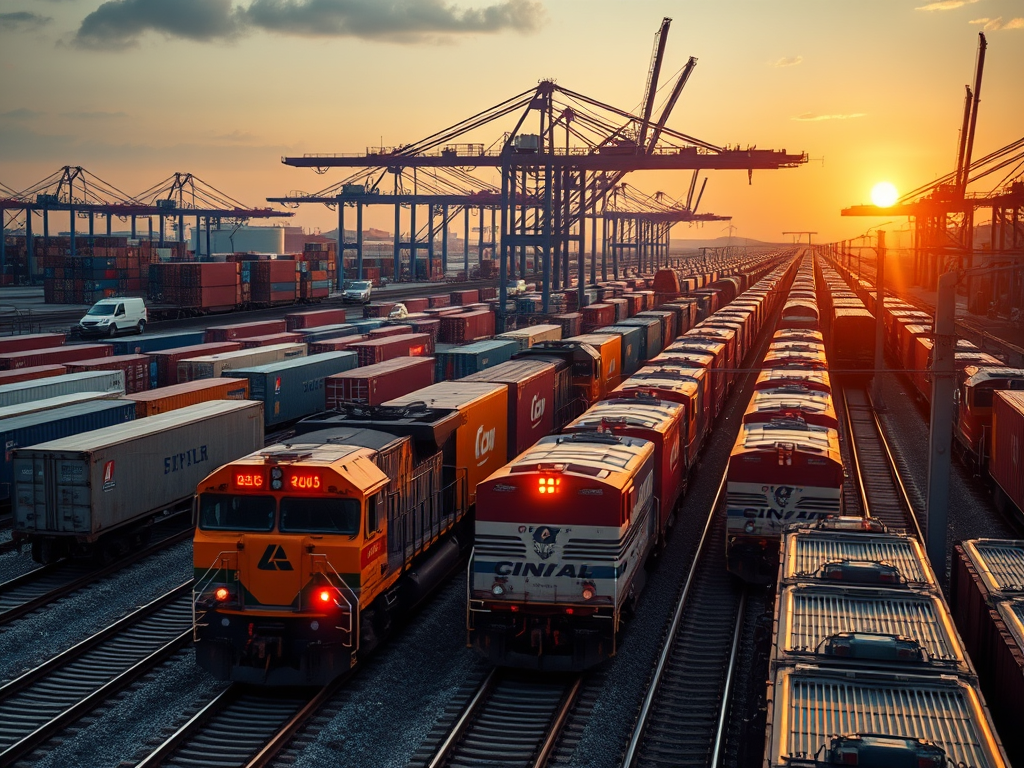
The U.S. transportation and logistics sector is witnessing a renewed legislative push with the reintroduction of the “Freights First Act.” This proposed legislation is aimed at correcting what many industry stakeholders perceive as a systemic imbalance: the longstanding federal mandate that gives Amtrak passenger trains priority over freight trains on shared rail infrastructure.
As ports and rail yards face mounting congestion, the bill seeks to shift priority in favor of freight trains—at least temporarily—within critical logistics zones. Here’s a detailed breakdown of the Act and its implications:
Overview of the Freights First Act
| Category | Details |
|---|---|
| Purpose | Remove Amtrak’s operational priority over freight within 50 miles of ports and rail yards. |
| Duration | Temporary suspension of Amtrak’s priority for 5 years. |
| Scope | Applies within a 50-mile radius of ports and major freight rail yards. |
| Reason for Proposal | To reduce congestion and delays caused by passenger-freight track sharing. |
| Economic Motivation | Enhancing supply chain efficiency, reducing logistics costs, and improving delivery timelines. |
| Original Bill | Introduced in 2022 by Rep. Dusty Johnson, but not passed. |
| Current Sponsor | Reintroduced by Rep. Eric Burlison amid growing supply chain concerns. |
| Opposition/Concerns | Disputes between Amtrak and freight railroads, with concerns about service delays. |
| Historical Context | U.S. federal law has long granted passenger trains priority on shared tracks. |
The Rationale Behind the Legislation
The logistics industry has been advocating for operational reform, especially near high-traffic areas like ports and intermodal hubs. Amtrak’s preferential status often results in freight trains being delayed, causing ripple effects across the supply chain. These delays become critical during periods of heightened demand or port congestion.
Supporters argue that removing this preference—even temporarily—will allow freight railroads to optimize schedules, meet customer expectations, and reduce detention and demurrage fees linked to late cargo delivery.
Legislative Challenges and Outlook
Although the bill failed to move forward in 2022, its reintroduction signals renewed bipartisan interest in infrastructure modernization and supply chain resilience. Whether the bill gains traction this time may depend on the broader transportation policy environment, lobbying efforts, and responses from passenger transport advocacy groups.
Potential Economic Impacts
- Increased throughput near ports
- Faster intermodal transfers
- Reduced shipper costs due to fewer rail delays
- Improved reliability for time-sensitive freight
- Enhanced competitiveness of U.S. exports
Conclusion
The Freights First Act is a reflection of shifting priorities in American logistics policy. While passenger rail services like Amtrak remain essential to public transit, the growing importance of freight fluidity near ports and hubs demands practical changes. Temporarily removing Amtrak’s priority status could represent a key step in modernizing the U.S. freight rail system and making it more responsive to economic demands.




 Glottis Limited
Leave a comment