
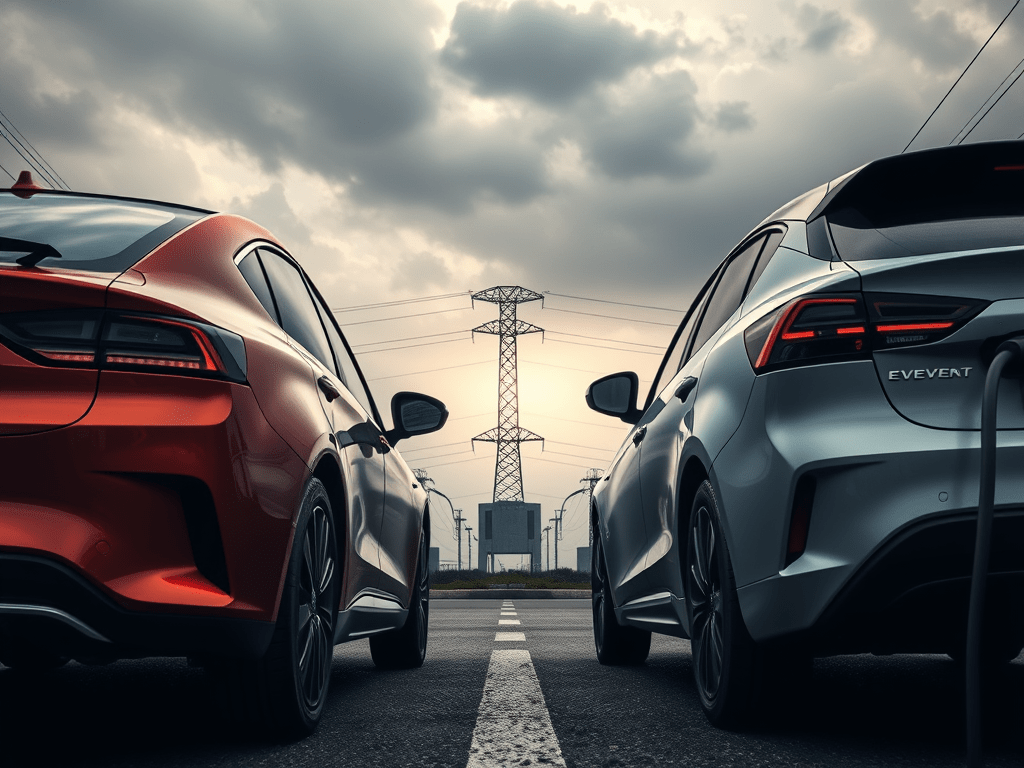
India-China trade relations are entering a sensitive phase, with Chinese authorities reportedly delaying approvals for partnership agreements involving Indian companies—particularly those related to technology transfer. These delays highlight the complexities of cross-border collaboration in critical sectors like electric vehicles (EVs), where China holds a global advantage.
Key Highlights
| Aspect | Details |
|---|---|
| Delays in Approvals | China slowing down approvals for Indian partnership agreements |
| Major Deals Affected | Haier’s India stake sale; PG Electroplast’s compressor technology deal |
| Focus Sector | Technology transfer in EVs and related industries |
| Impact on Indian Companies | Expansion timelines revised, reduced capex forecasts |
| Strategic Context | China aims to protect EV and tech leadership |
| Bilateral Relations | Ongoing tensions but some improvements ahead of PM Modi’s China visit |
| Regulatory Parallels | Comparable to India’s PN3 rules requiring multi-ministry deal approvals |
How Delays Affect Indian Companies
- Expansion Plans Delayed
- PG Electroplast has revised timelines and cut back on investment due to pending approvals.
- Investment Uncertainty
- Investor confidence is shaken, making fundraising harder for firms reliant on Chinese technology collaborations.
- Rising Costs
- Delays lead to increased operational costs and risk of penalties for missing project deadlines.
- Competitive Disadvantage
- Without advanced Chinese technologies, Indian firms—especially in EVs—may lag global peers in innovation and efficiency.
- Strained Partnerships
- Ongoing uncertainty risks damaging trust with Chinese partners, affecting long-term collaboration prospects.
- Strategic Shifts
- Companies may explore alternative technology sources in other regions if Chinese approvals remain uncertain.
- Regulatory Hurdles
- Chinese scrutiny mirrors India’s own PN3 rules, creating a complex dual-regulatory challenge for firms on both sides.
- Sector-Specific Setbacks
- The EV sector could face slowed adoption of innovative solutions, delaying India’s transition to clean mobility.
Strategic Implications
China’s dominance in EV technology and supply chains makes technology transfers a highly sensitive issue. While India seeks to attract foreign investment and technology, the regulatory roadblocks from China could reshape business strategies, pushing Indian firms toward self-reliance and diversification.
Conclusion
The current trade dynamic between India and China underscores a fragile balance: while bilateral relations show signs of improvement, regulatory hurdles in technology transfer continue to disrupt Indian companies’ growth plans, raise costs, and strain partnerships. For India, this situation highlights the urgency of building stronger domestic technological capabilities and exploring partnerships beyond China to reduce vulnerability in critical industries like EVs.


 Glottis Limited
Leave a comment