
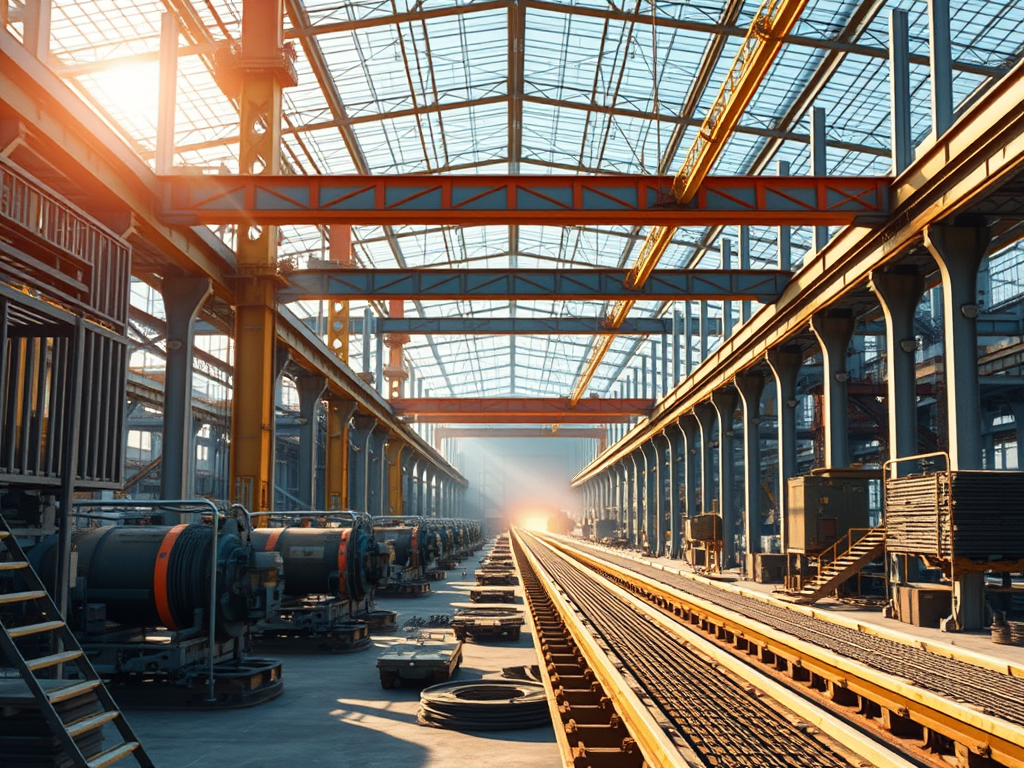
The Indian government has initiated a fast-track approval process for Bureau of Indian Standards (BIS) certifications on steel imports from Taiwanese integrated plants. This move comes in response to concerns from micro, small, and medium enterprises (MSMEs) that rely heavily on cost-effective imported steel for production.
Background
On June 13, 2025, the Ministry of Steel issued a Quality Control Order (QCO) mandating BIS certification for all imported raw materials used in steel-making. While aimed at ensuring quality standards, the new rule created bottlenecks for Taiwanese suppliers, leading to prolonged approval delays since July.
Taiwan is a vital partner in India’s steel supply chain, especially for intermediate and semi-finished products. Many MSMEs depend on these imports due to the higher pricing strategies of domestic manufacturers, which have squeezed margins for smaller players.
The situation escalated as delays in BIS approvals jeopardized nearly ₹150 crore in advance payments made by MSME importers. The matter also prompted legal scrutiny, with Shree Ramdev Metalex LLP filing a writ petition challenging the QCO.
Impacts on Taiwanese Steel Imports
| Impact | Description |
|---|---|
| Acceleration of Approvals | Faster BIS approvals will allow Taiwanese integrated steel plants to resume exports to India, ending delays that had stalled shipments since July 2025. |
| Market Access for MSMEs | MSMEs will regain access to competitively priced Taiwanese steel, improving their cost structures and competitiveness against larger domestic players. |
| Reduction in Supply Chain Delays | Expedited approvals will stabilize MSME supply chains, ensuring that advance orders are fulfilled without extended disruptions. |
| Demand for Specialty Steel | Taiwan’s expertise in specialty and high-quality steel positions it as a critical supplier to Indian industries, especially automobiles and auto components. |
| Economic Support | Strengthening MSME imports will stimulate production, exports, and job creation, aiding India’s economic growth trajectory. |
| Increased Import Volumes | Simplified logistics and approval processes are likely to drive higher import volumes from Taiwan, reinforcing its role as India’s 5th or 6th largest steel supplier. |
| Response to Domestic Pricing | Counterbalances the high prices of domestic steel, offering MSMEs better margins and safeguarding their viability. |
| Potential Legal Challenges | The writ petition against the QCO highlights regulatory uncertainty, though the government’s expedited steps aim to reassure stakeholders. |
Conclusion
The government’s decision to fast-track BIS approvals for Taiwanese steel imports strikes a balance between quality assurance and industry competitiveness. By addressing approval delays, India is not only protecting the interests of MSMEs but also reinforcing Taiwan’s role as a strategic steel supplier. This move will help MSMEs manage costs, maintain steady supply chains, and remain competitive in both domestic and global markets.



 Glottis Limited
Leave a comment