

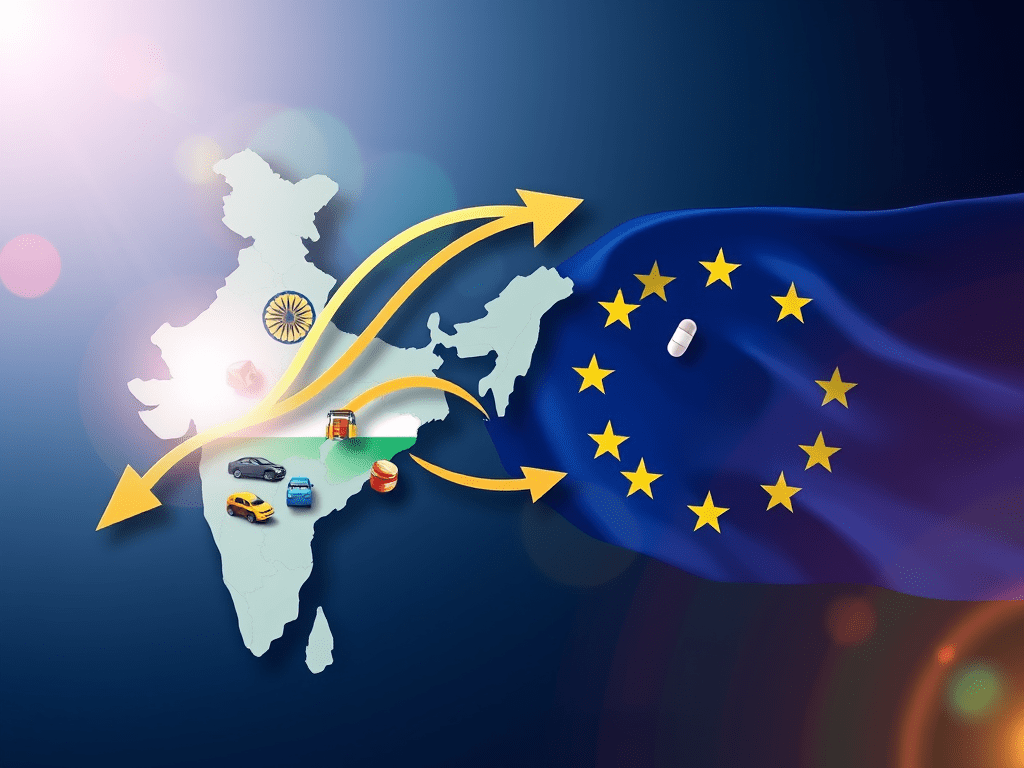
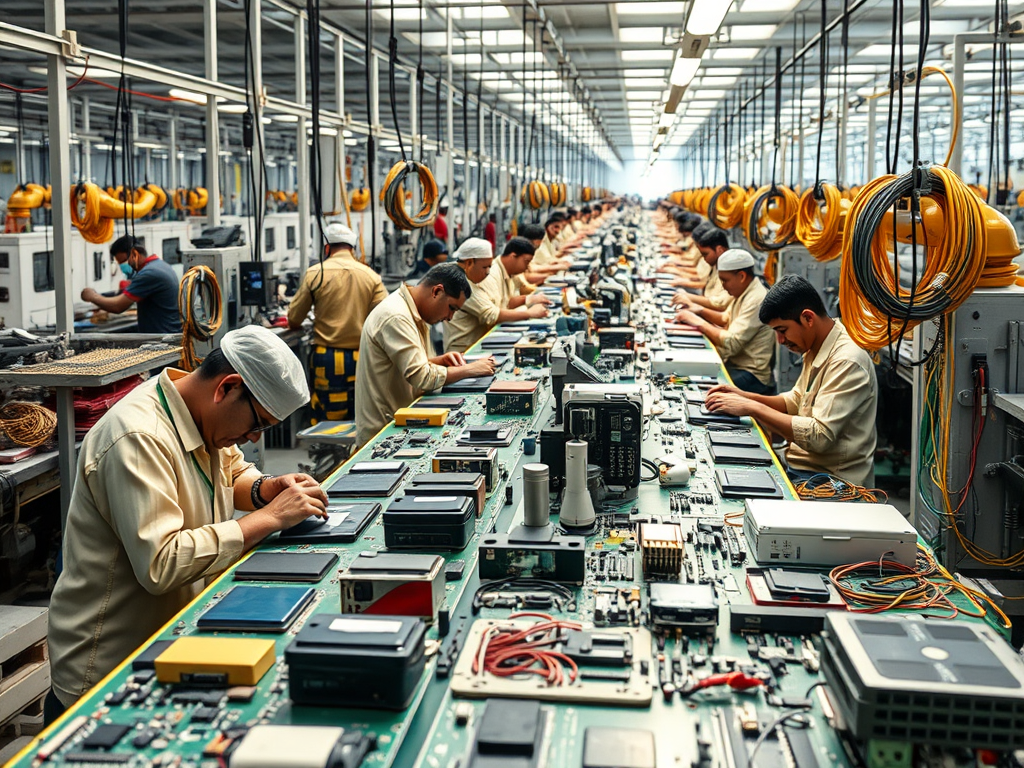
India’s electronics manufacturing ecosystem is entering a pivotal phase as leading industry bodies push for relaxed norms on joint ventures (JVs) with Chinese companies. With global demand for advanced components surging and India positioning itself as a manufacturing alternative, the debate around foreign investment—especially from China—is intensifying.
Industry associations such as the Confederation of Indian Industry (CII) and the India Electronics & Semiconductor Association have urged the government to permit greater collaboration by allowing JVs with Chinese firms, capped at 26% equity participation. Their central goal: accelerate local manufacturing capacity, attract high-tech investments, and integrate India further into global supply chains.
Key Developments at a Glance
| Topic | Details |
|---|---|
| Proposed JV Equity Cap | Indian firms suggest a 26% equity limit for Chinese partnerships. |
| Objective | Boost advanced electronic component manufacturing and attract foreign investment. |
| Current FDI Rules | Investments from neighboring countries (including China) require prior security clearance under a case-by-case approval system. |
| Industry Recommendations | CII and IESA push for streamlined, faster investment approval processes. |
| Government Progress | MeitY reviewing multiple applications under the Electronic Component Manufacturing Scheme (ECMS). |
| Recent JV Approval | Dixon Technologies approved for JV with Longcheer Intelligence, signaling policy openness. |
| Concerns | Persistent security and strategic risks remain central to policy decisions. |
Why Joint Ventures Matter: Strategic Advantages for Indian Electronics
The growing conversation around India–China JVs also highlights why such partnerships can be transformative. Joint ventures can accelerate technological advancement, unlock new markets, and strengthen competitiveness in a fast-growing sector.
Key Benefits of Joint Ventures
| Benefit | Advantage for Companies |
|---|---|
| Shared Resources | Lower capital burden; access to partner expertise and manufacturing capability. |
| Access to New Markets | Leverage partner network to expand globally or enter niche product segments. |
| Risk Sharing | Financial and operational risks are distributed, reducing exposure. |
| Enhanced Innovation | Combined R&D leads to better technology, design, and process improvements. |
| Competitive Edge | Combined strengths allow faster product launches and stronger market positioning. |
| Faster Growth | Accelerated scaling of operations using combined infrastructure and knowledge. |
| Learning Opportunities | Skill transfer boosts capability across technical and managerial functions. |
| Increased Credibility | Partnering with established global players improves brand value and trust. |
| Tax Efficiency | Some JV structures allow tax optimization depending on jurisdiction. |
| Flexibility | JV agreements can be customized to balance control, investment, and goals. |
The Road Ahead
India stands at a strategic crossroads. While the electronics industry demands greater flexibility to collaborate with Chinese firms, policymakers must balance economic goals with national security considerations. Recent approvals, such as the Dixon–Longcheer JV, indicate openness to selective partnerships—especially those that strengthen domestic manufacturing.
As India targets a multi-billion-dollar electronics export economy, well-structured JVs could play a crucial role in building local capabilities, enhancing supply chain resilience, and positioning the country as a global manufacturing powerhouse.


 Glottis Limited
Leave a comment