
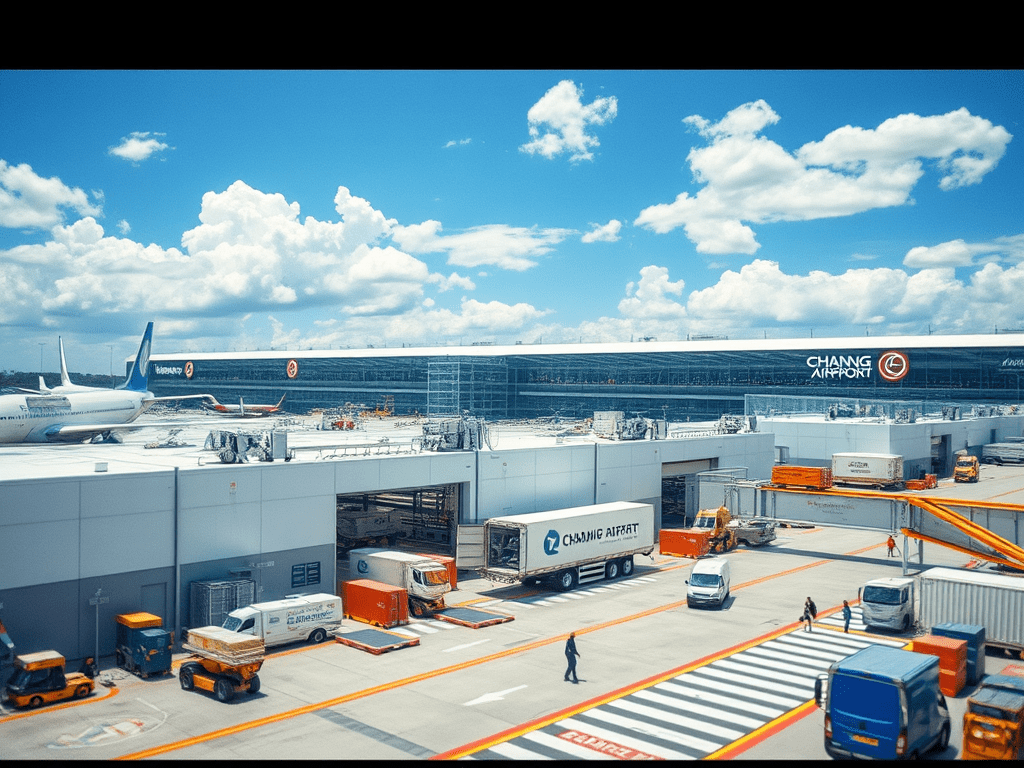
Changi Airport in Singapore continues to solidify its position as a major hub for air cargo in Asia. It shows remarkable growth and significant enhancements in its infrastructure and partnerships. The third quarter of 2024 has marked notable advancements in air freight volumes. There are improvements in infrastructure and market expansion. This positions Changi as a key logistics center in the global air cargo industry. Here’s a look at the latest developments and key statistics from Changi Airport’s performance.
Key Data from Q3 2024
| Metric | Data | Details |
|---|---|---|
| Airfreight Volume | 512,000 tonnes | 13.5% increase from Q3 2023, reflecting strong demand in air cargo. |
| Top Cargo Markets | Australia, China, Hong Kong, India, US | These markets are crucial trade partners, driving volume growth in Changi’s cargo operations. |
| New Partnerships | Chinese Carriers | Expanded routes and flights to key Chinese cities like Shanghai, Beijing, and Chongqing. |
| New Infrastructure | SF Express Facility, Nexus One | Facilities designed to enhance cargo processing speed and efficiency at Changi Airfreight Centre. |
| Passenger Traffic | 16.8 million | 10% increase from Q3 2023, showcasing Changi’s appeal as a key international airport. |
Record Cargo Volumes
Changi Airport’s air cargo volume reached an impressive 512,000 tonnes in the third quarter, marking a 13.5% year-over-year increase. This robust growth shows the airport’s strategic positioning. It caters to surging demand from regional and global markets.
Expanding Cargo Markets
Australia, China, Hong Kong, India, and the US have emerged as Changi Airport’s top five air cargo markets. This diverse market distribution not only enhances the airport’s revenue streams but also underscores the growing significance of these routes. Each market plays a critical role in sustaining the airport’s cargo traffic, driving Changi’s growth as a reliable logistics hub.
Strengthening Partnerships
In a strategic move, Changi Airport has established close partnerships with Chinese carriers. These collaborations aim to introduce new routes to multiple Chinese cities. They also aim to boost the frequency of flights to pivotal locations such as Shanghai, Beijing, and Chongqing. This collaboration has strengthened Changi’s connectivity within Asia and facilitated smoother, more frequent cargo movement to and from China.
Infrastructure Developments: SF Express Facility and Changi Nexus One
SF Express Singapore has responded to the growth in air cargo services. It launched a state-of-the-art airside logistics facility within Changi’s Airfreight Centre. This addition will expedite processing times and significantly improve cargo handling efficiency. Furthermore, the inauguration of Changi Nexus One marks a significant step. This air logistics facility offers 8,000 square meters of warehousing space. It aligns with Changi’s aim to support growing demand. It also enhances overall cargo operations.
Boost in Passenger Traffic
Alongside cargo growth, passenger traffic rose by 10% year-over-year in the third quarter, reaching a total of 16.8 million passengers. This growth reflects Changi’s standing as a major international travel hub. It also indicates broader confidence in the global travel sector.
Innovations, Recognition, and Industry Developments
Changi’s continued success in the air cargo sector is complemented by its involvement in various industry milestones. These include award recognitions, innovative projects, and enhancements across different cargo carriers. These initiatives further establish Changi Airport’s reputation as a leader in logistics and air cargo solutions.
Changi Airport maintains its leadership in the global air logistics industry through strategic partnerships. It boasts cutting-edge infrastructure and record-breaking cargo volumes. The third quarter of 2024 shows Changi’s dedication to excellence. It sets the stage for sustained growth in air cargo and passenger traffic.




 Glottis Limited
Leave a comment