
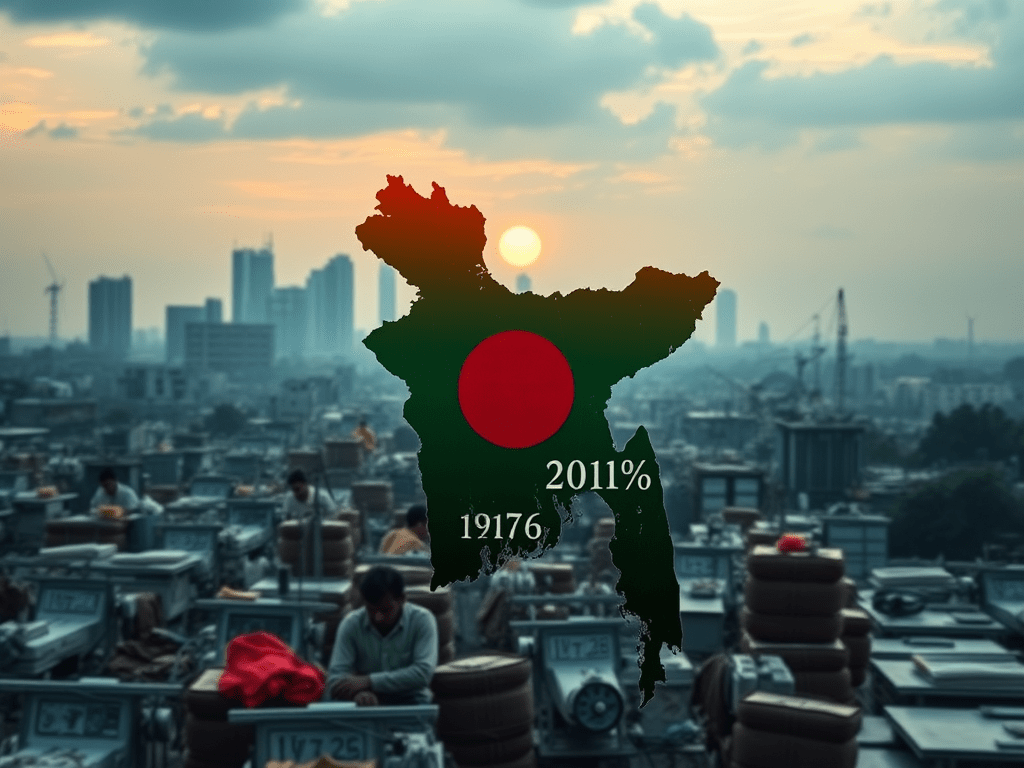
Bangladesh faces a critical juncture as it grapples with challenges stemming from its graduation from Least Developed Country (LDC) status, competition with Vietnam, and governance issues in mega projects. Here’s a comprehensive look at the current state of affairs and the numbers shaping its economic outlook.
Impact of LDC Graduation and Trade Agreements
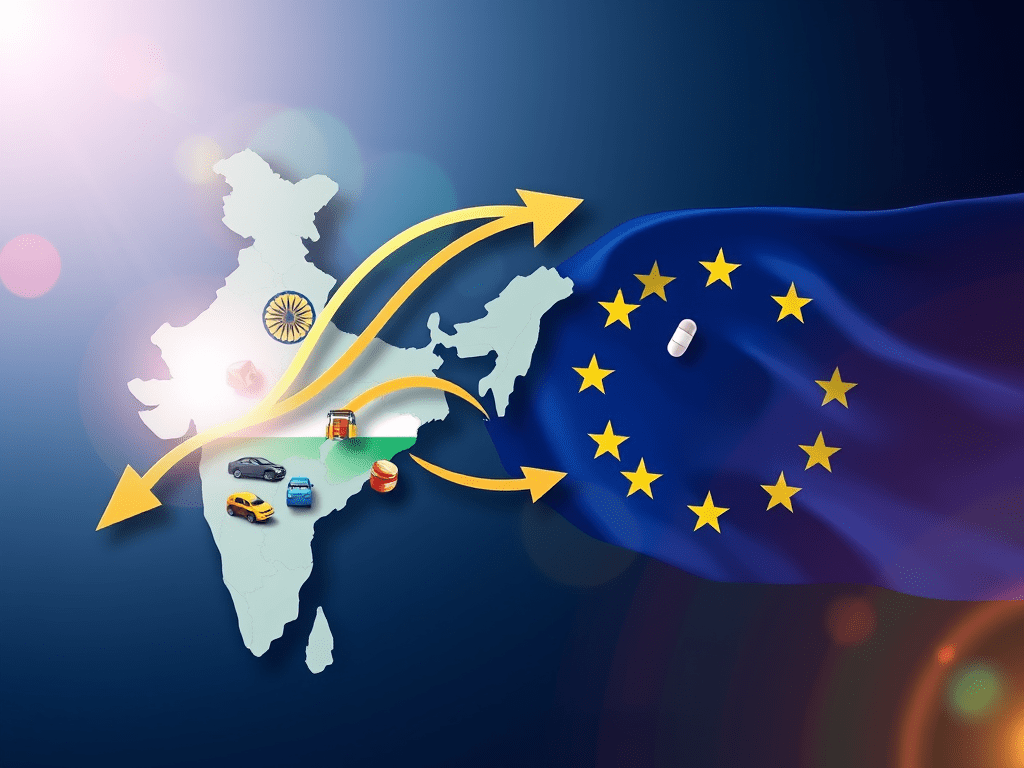
Graduation from LDC status, coupled with trade agreements like the EU-Vietnam Free Trade Agreement (EVFTA), is reshaping Bangladesh’s export landscape.
| Key Metrics | Projected Impact |
|---|---|
| Exports to EU Decline | 20% |
| Apparel Exports Decline to EU | 1.8% |
| Leather Product Exports Decline to EU | 6.5% |
Vietnam’s Competitive Edge
Vietnam continues to outpace Bangladesh in EU exports, leveraging its zero-duty access through the EVFTA and stronger investments in garment infrastructure.
| Comparison Metrics | Vietnam | Bangladesh |
|---|---|---|
| EU Exports Growth Since 2002 | 2x Bangladesh’s | – |
| Trade Advantage through EVFTA | Zero-Duty Access | No Current FTA |
Mega Project Challenges
Bangladesh’s governance and planning inefficiencies have led to massive cost overruns in major infrastructure projects.
| Mega Projects | Cost Overruns | Total Overrun Cost |
|---|---|---|
| 7 Major Projects | 70% | Tk 80,569 crore (~$9.5 billion) |
Systemic Issues in Power Sector
Corruption in the energy sector has emerged as a significant challenge, with billions lost to kickbacks in power project awards.
| Sector | Reported Corruption |
|---|---|
| Power Projects | $3 billion in kickbacks |
Strategic Calls to Action
- Policy Adjustments: Bangladesh needs strategic investments in infrastructure and reforms to adapt to evolving global trade dynamics.
- Diversification: Expanding beyond apparel to reduce dependency and compete with nations like Vietnam.
- Improved Governance: Strengthening accountability in mega projects and mitigating corruption in sectors like power.
- Leveraging Labour Shifts: Tapping into shifting global orders due to labour challenges in Vietnam and China.
Conclusion
Bangladesh’s economic resilience hinges on proactive policy reforms, infrastructure investments, and combating systemic inefficiencies. As the nation adapts to its post-LDC status, strategic actions can help secure its position in competitive global markets.
For more insights into global trade dynamics, visit glottis.global and follow us on LinkedIn.

 Glottis Limited
Leave a comment