
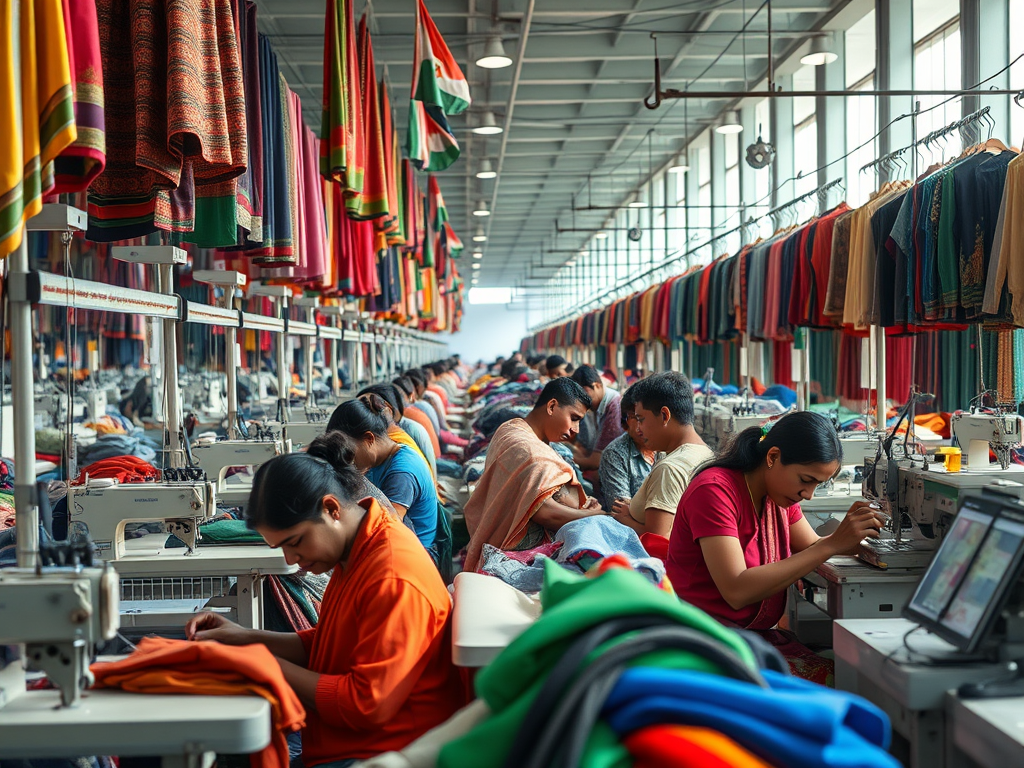
As political instability grips Bangladesh, the country’s renowned Ready-Made Garment (RMG) sector faces significant setbacks. This turmoil has presented a unique opportunity for India to strengthen its position as a global textile hub, attracting international orders and investments that were previously dominated by Bangladesh.
Key Trends Shaping the Shift
1. Political and Economic Challenges in Bangladesh
Bangladesh’s economy, heavily reliant on its RMG sector (contributing 80% of exports), is reeling under the impact of political unrest, violence, and labor protests. Disruptions in the supply chain and delays in production have caused global apparel brands to seek alternatives.
2. Orders Shift to Indian Manufacturers
India is emerging as a preferred destination for international textile orders. European brands, including those from Germany and Spain, are now sourcing from Indian manufacturers, citing greater supply chain reliability and consistency.
3. Growth in Indian Textile Hubs
Indian cities like Tiruppur, Ludhiana, Surat, Jaipur, and Noida are witnessing a surge in demand, with manufacturers stepping up to fill the void. Prominent companies such as Arvind Mills, KPR Mills, and Raymond are at the forefront of this growth, leveraging their expertise to attract significant investments.
4. India’s Workforce and Supply Chain Strength
India’s large, young workforce (approximately 500 million aged 18-35) and its robust supply chain provide a competitive edge, enabling it to manage large volumes and tight deadlines effectively.
5. Economic and Strategic Gains
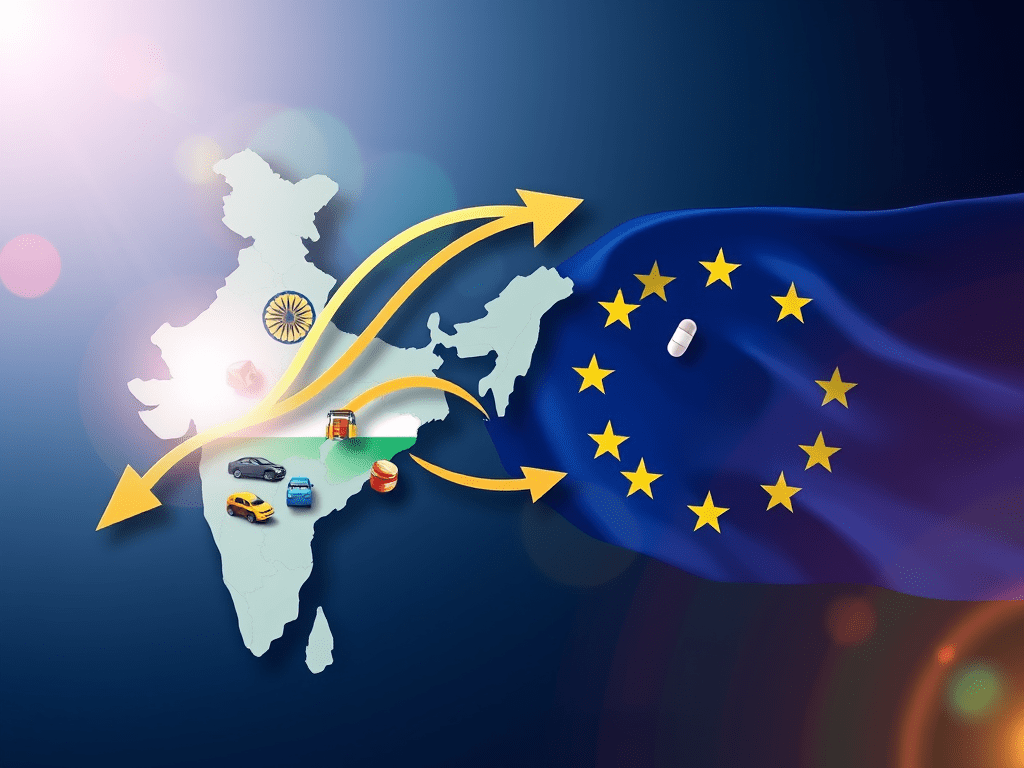
The shift could bring an estimated $2-3 billion in additional textile order value in the next year. This boost may also strengthen India’s trade negotiations with the UK and EU, further enhancing its global trade footprint.
6. Interconnected Textile Ecosystem
Historically, India and Bangladesh have shared a symbiotic relationship, with India supplying raw materials to Bangladesh’s RMG sector. However, Bangladesh’s current instability is prompting a reassessment of these dynamics, paving the way for India to expand its capabilities in finished goods.
Challenges and Sustainability
While India is reaping immediate benefits, long-term sustainability will require consistent quality, timely delivery, and efficient management of growing international orders. Maintaining a competitive edge will be key to establishing India as a long-term alternative in the global textile supply chain.
How Glottis Can Empower the Textile Industry
With the rapid influx of international textile orders, efficient logistics and supply chain solutions are more critical than ever. Glottis is a trusted partner to the textile industry, offering:
- End-to-End Logistics: Comprehensive solutions, from raw material procurement to finished goods delivery.
- Warehousing Expertise: Strategically located facilities to handle bulk textile storage and seamless distribution.
- Specialized Freight Services: Competitive costing for domestic and international shipments, ensuring timely delivery to global markets.
- Customs Clearance Support: Expertise in navigating trade agreements and managing compliance for exports to the UK, EU, and beyond.
Whether you’re scaling production in Tiruppur, fulfilling large export orders from Ludhiana, or entering new markets, Glottis ensures smooth operations every step of the way.
Partner with Glottis today to make your mark in the global textile industry!


 Glottis Limited
Leave a comment