
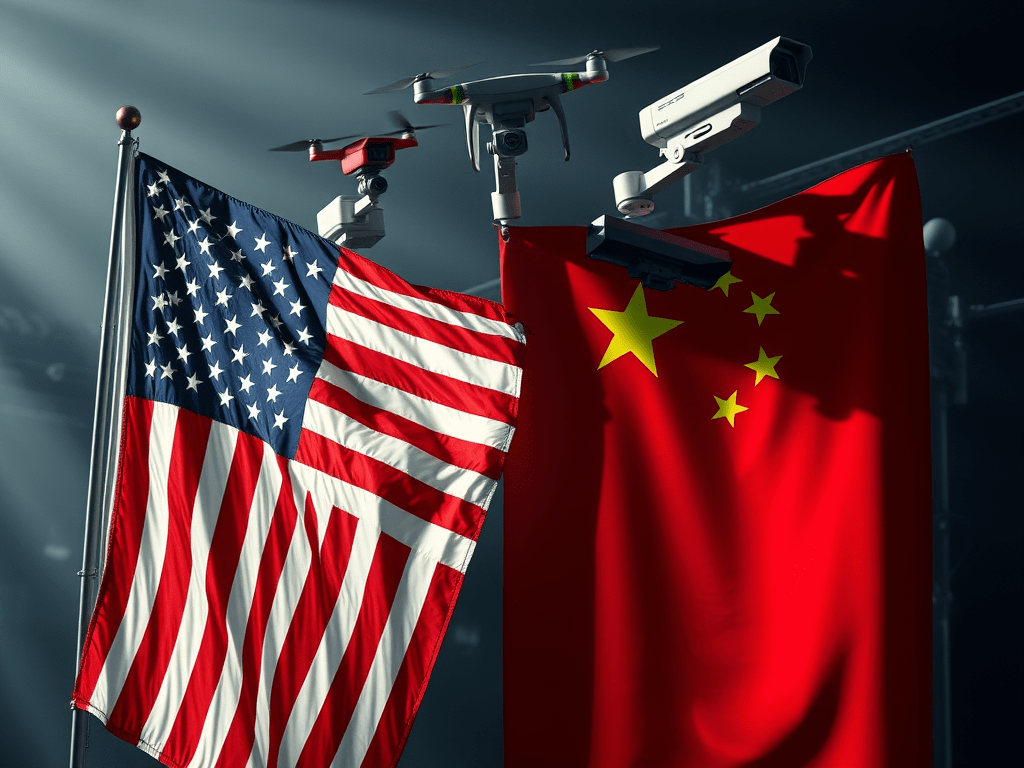
In a significant move highlighting its stance on human rights, the U.S. Commerce Department has added two prominent Chinese companies, Zhejiang Uniview Technologies Co., Ltd., and Beijing Zhongdun Security Technology Group Co., Ltd., to its trade restriction list. The decision underscores growing tensions between the U.S. and China over surveillance technology and human rights violations.
The Allegations
The inclusion of these companies in the entity list is based on serious allegations:
- Zhejiang Uniview Technologies: The company is accused of enabling human rights violations through the deployment of advanced surveillance technology targeting not just the general population but also Uyghurs and other ethnic and religious minorities.
- Beijing Zhongdun Security Technology: Allegedly sold products that assist China’s public security forces in activities linked to the violation of human rights.
What the Entity List Means
Being placed on the entity list significantly restricts these companies’ access to American technology and components. U.S. suppliers are now required to obtain special licenses—rarely granted—to export goods or services to the listed entities.
Part of a Larger Crackdown
This move isn’t an isolated event. The U.S. has previously sanctioned other Chinese companies, such as Hikvision, for similar allegations of aiding in the repression of minority groups. These actions reflect the Biden administration’s ongoing efforts to pressure Beijing on human rights issues.
Additional Sanctions
The Commerce Department also expanded its sanctions to include six entities from Russia and Myanmar on the same day, signaling its broader strategy to curb activities that undermine international human rights and security norms.
Implications and Global Context
These sanctions are likely to heighten tensions between the U.S. and China, particularly in the tech and trade sectors. For the targeted companies, the restrictions could disrupt supply chains and limit their ability to innovate, as access to critical U.S.-origin technologies becomes constrained.
What’s Next?
As the U.S. continues to leverage trade restrictions as a tool to address global human rights abuses, the international community will closely watch the response from China and the affected companies. This development serves as a stark reminder of the intersection between technology, trade, and human rights in today’s geopolitical landscape.
Stay updated as the story unfolds and more details emerge about the implications of this latest action.




 Glottis Limited
Leave a comment