
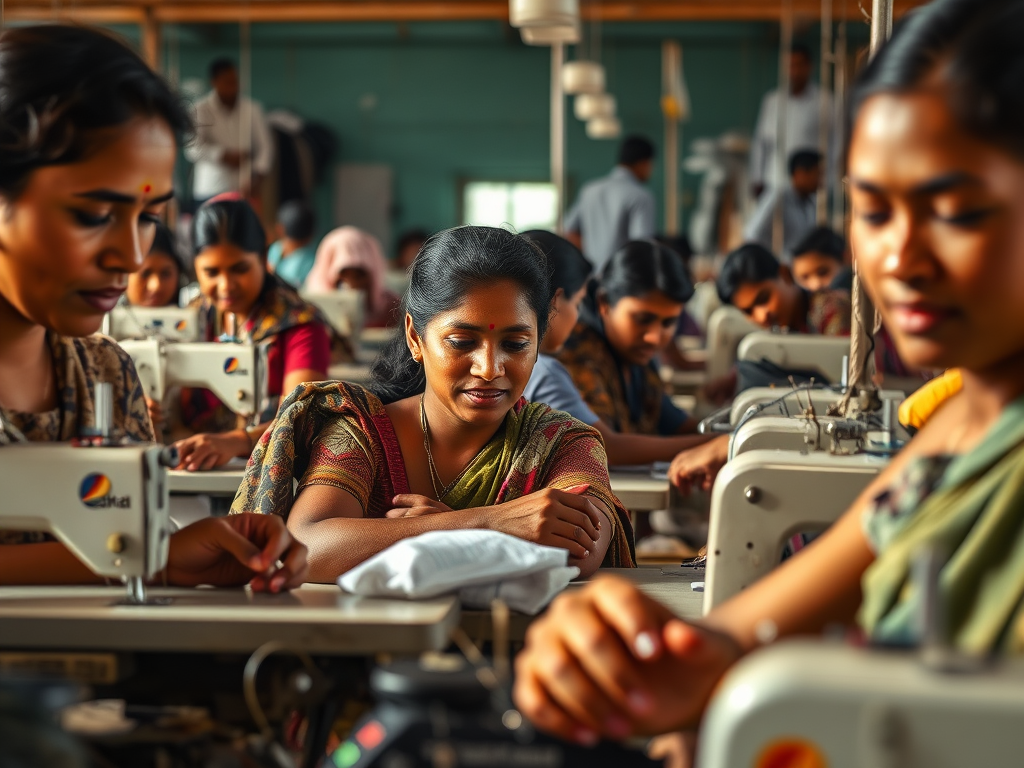
Sri Lanka’s small and medium enterprises (SMEs) in the apparel sector face significant challenges as Germany’s Supply Chain Act comes into effect. While the act aims to ensure stronger labor and environmental protections in global supply chains, it presents both economic and operational hurdles for Sri Lankan manufacturers.
Impact on SMEs
The act’s stringent auditing and certification requirements pose a financial strain on Sri Lanka’s apparel SMEs, which are integral to the industry but operate on tight margins. These additional costs could marginalize SMEs, many of which rely on exports to Germany for up to 20% of their annual revenue.
A Sector Dominated by Giants
In Sri Lanka, the top 20 apparel companies dominate the export market, contributing 80% of the country’s apparel exports. Despite their smaller share, SMEs are critical players, providing diversification and employment. However, compliance costs threaten to push many of these businesses out of the German market.
Compliance Complexities
While Sri Lanka’s apparel industry broadly aligns with human rights and environmental standards, meeting the specific requirements of Germany’s law introduces new challenges. The lack of clearly defined standards and ambiguities in certification criteria exacerbate the situation, making it difficult for SMEs to comply.
Economic Disincentives
Industry stakeholders have noted the absence of economic incentives within the act, making compliance less appealing to SMEs. With reliance on inconsistent seasonal orders and workforce demands that often exceed recommended working hours, many SMEs might deprioritize the German market altogether.
Industry Feedback and Concerns
Apparel sector representatives have called for:
- Clearer compliance guidelines.
- Economic support mechanisms for SMEs.
- A robust accountability and monitoring framework to ensure fairness.
Without such measures, the act’s intended benefits could be undermined, leaving vulnerable businesses at a disadvantage.
Germany’s Role in Sri Lankan Exports
As the fourth-largest export destination for Sri Lankan apparel, behind the US, UK, and Italy, Germany plays a pivotal role in the country’s trade landscape. However, the Supply Chain Act, introduced in response to tragedies like the Rana Plaza collapse in Bangladesh, is likely to reshape this dynamic unless mitigatory steps are taken.
Proposed Recommendations
To support SMEs in adapting to the new regulations, experts suggest:
- Strengthening indirect supplier compliance mechanisms.
- Introducing economic incentives to encourage adherence.
- Raising awareness among affected communities to foster resilience.
Balancing Standards with Reality
The challenges brought about by Germany’s Supply Chain Act underscore the delicate balance between enforcing ethical standards and addressing economic realities. For Sri Lanka’s apparel SMEs, navigating this shift will require collaborative efforts from industry stakeholders, policymakers, and international partners.
The future of these enterprises depends on bridging the gap between compliance requirements and practical feasibility, ensuring that ethical trade practices do not come at the cost of economic viability.


 Glottis Limited
Leave a comment