

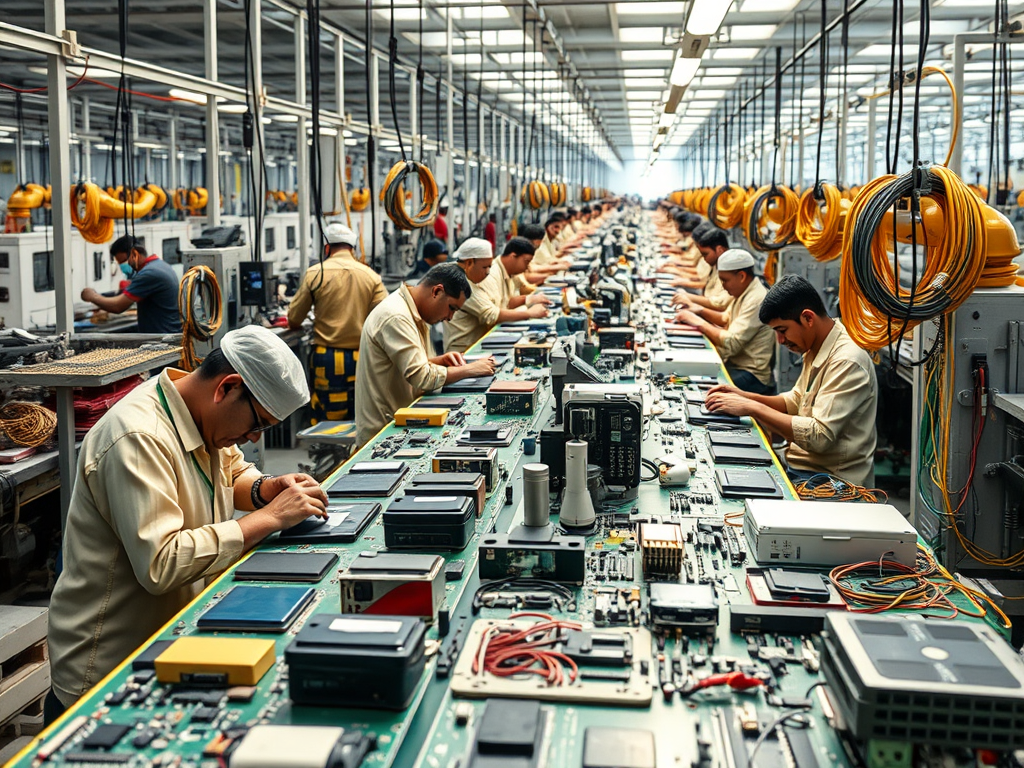
Micro, Small, and Medium Enterprises (MSMEs) remain a cornerstone of India’s economy, contributing significantly to employment, GDP, and exports. In 2024, the government launched several initiatives to address critical challenges in the sector and empower MSMEs, especially women entrepreneurs and exporters. The following reforms aim to create a thriving ecosystem for small businesses, emphasizing their pivotal role in driving economic growth and sustainability.
Key Developments in the MSME Sector
Government Initiatives
- Addressing Delayed Payments:
New tax regulations have been introduced to combat delayed payments, ensuring better liquidity and operational stability for MSMEs. - TEAM Scheme for E-Commerce:
The TEAM scheme aims to bring MSMEs into the e-commerce fold, providing them with a platform to expand their market reach domestically and internationally. - Increased Credit Guarantee for Women Entrepreneurs:
Special provisions have been made to enhance credit guarantees for women entrepreneurs, promoting inclusivity and innovation in business. - Interest Equalisation Scheme Extension:
Exporters in the MSME sector can now benefit from extended interest subvention, making Indian products more competitive globally. - Reduced GeM Transaction Charges:
Transaction charges on the Government e-Marketplace (GeM) have been lowered for small sellers, reducing barriers to entry and fostering ease of doing business. - Enhanced Mudra Loan Limits:
Mudra loan limits have been increased to ₹20 lakh, offering more financial support to MSMEs, particularly for expansion and technology adoption. - Revised TReDS Regulations:
The Trade Receivables Discounting System (TReDS) regulations have been revised, making invoice discounting more accessible for MSMEs. - Updated SEBI IPO Regulations for SMEs:
SEBI has refined IPO regulations to encourage small businesses to go public while addressing concerns about misuse.
Challenges and Opportunities
Challenges:
- Delayed Payments: While regulatory measures are in place, implementation and compliance remain key hurdles.
- Market Access: Many MSMEs struggle to penetrate international markets despite government schemes.
- Digital Transformation: Adapting to e-commerce and digital payment systems is an ongoing challenge for small enterprises.
Opportunities:
- Global Reach: Initiatives like the TEAM scheme and export support can help MSMEs expand globally.
- Women Entrepreneurs: Enhanced credit guarantees and other reforms provide a robust platform for women-led businesses.
- Financial Support: Increased Mudra loan limits and TReDS reforms offer MSMEs the financial backing needed for growth.
Key Data at a Glance
| Initiative | Focus Area | Impact |
|---|---|---|
| Delayed Payments Regulation | Liquidity | Timely payments for better cash flow. |
| TEAM Scheme | E-commerce Integration | Wider market reach for MSMEs. |
| Credit Guarantee for Women | Inclusivity | More financial backing for women entrepreneurs. |
| Interest Equalisation Scheme | Export Support | Cost-effective financing for exporters. |
| GeM Transaction Charges Reduction | Ease of Business | Lower barriers for small sellers on the government marketplace. |
| Mudra Loan Limit Enhancement | Financial Access | Larger loans for business expansion and innovation. |
| Revised TReDS Regulations | Invoice Discounting | Easier access to working capital through receivable financing. |
| SEBI SME IPO Updates | Market Entry | Simplified public listing for SMEs with stronger regulations. |
The Way Forward: MSMEs as Growth Catalysts
MSMEs are not just businesses; they are engines of innovation and employment generation. To harness their potential fully, the nation must focus on:
- Enhancing digital literacy and technological adoption.
- Building resilient supply chains for global competitiveness.
- Encouraging public-private partnerships for infrastructure and skills development.
By addressing challenges and leveraging opportunities, MSMEs can propel India toward its goal of becoming a $5 trillion economy. As the backbone of the nation, their success is integral to inclusive and sustainable growth.


 Glottis Limited
Leave a comment