
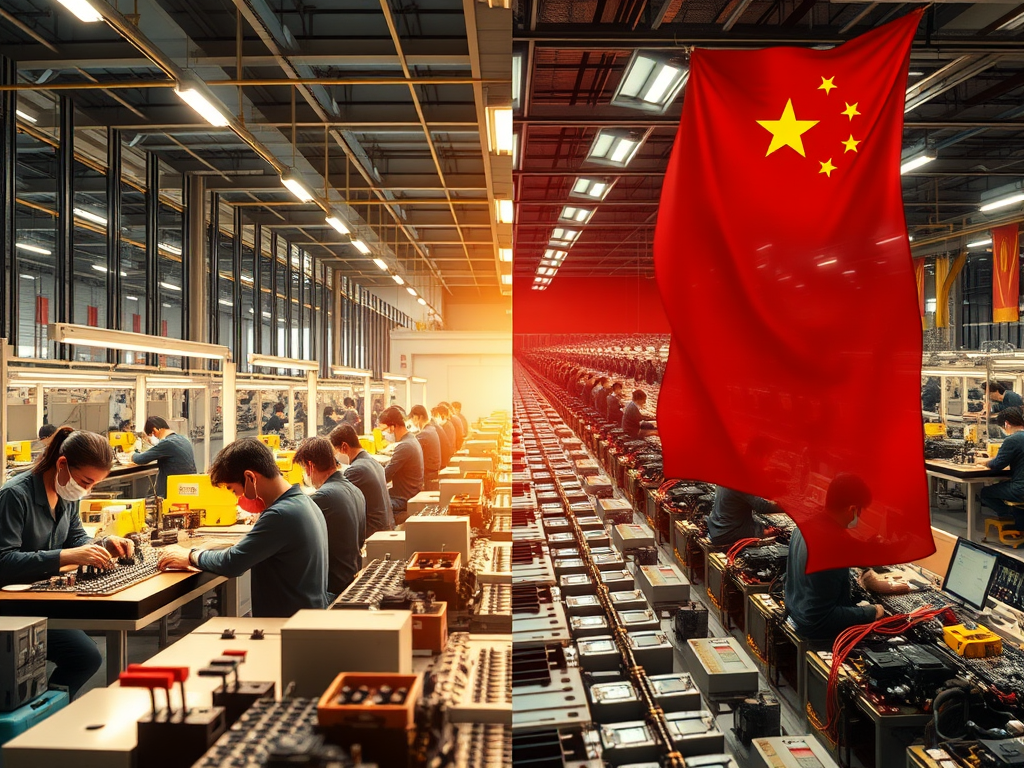
Vietnam has emerged as a formidable competitor to China in the global manufacturing arena. With its steady advancements in quality, competitive pricing, and increasing foreign investments, Vietnam is carving out its niche as a viable alternative for global supply chains. Here’s a closer look at the factors driving Vietnam’s rise, the challenges it faces, and how it compares to China.
Key Drivers of Vietnam’s Manufacturing Growth
- Manufacturing Expansion
Vietnam has made significant progress in manufacturing, particularly in industries like electronics, where it now rivals China in terms of quality and price. - Surge in Foreign Investment
The U.S.-China trade war has spurred multinational companies to shift operations to Vietnam, aiming to bypass U.S. tariffs on Chinese goods. - Labor Cost Advantage
Vietnam offers substantially lower labor costs compared to China, making it an attractive hub for cost-sensitive manufacturing. - Enhanced Product Quality and Pricing
Vietnamese products, especially electronics and furniture, have seen remarkable quality improvements, becoming competitive alternatives to Chinese offerings. - Reputation in Specialized Exports
Vietnam has built a strong reputation in furniture, coffee, and cashews, while China remains dominant in mass production.
Challenges for Vietnam
Despite its growth, Vietnam faces several challenges:
- Quality Control Issues
Smaller producers often struggle with consistency, impacting product reliability. - Supply Chain and Logistical Bottlenecks
Logistical challenges, especially during peak demand periods, can disrupt timely deliveries. - Skilled Labor Shortages
Expanding into advanced manufacturing requires a more skilled workforce, a gap Vietnam needs to address.
Vietnam vs. China: Competitive Landscape
While Vietnam is gaining ground, China retains significant advantages in areas such as:
- Established Supply Chains
China’s robust and well-integrated supply chains give it an edge in production efficiency. - Advanced Infrastructure
Extensive infrastructure supports China’s vast manufacturing ecosystem, from raw material procurement to export logistics. - Experienced Labor Force
Decades of manufacturing dominance have endowed China with a highly experienced and specialized workforce. - E-commerce Ecosystem
China’s mature e-commerce infrastructure enhances its global trade capabilities, particularly in consumer electronics.
Key Data Comparison
| Factor | Vietnam | China |
|---|---|---|
| Labor Cost | Lower, attracting cost-sensitive manufacturers. | Higher due to rising wages. |
| Product Quality | Improving rapidly, particularly in electronics and furniture. | High, especially in advanced industries. |
| Foreign Investment | Growing due to U.S.-China trade tensions. | Stable but impacted by geopolitical issues. |
| Supply Chain | Developing, with some logistical challenges. | Well-established and integrated. |
| Skilled Labor | Limited, creating barriers for advanced manufacturing. | Abundant and experienced. |
| E-commerce | Emerging. | Highly developed. |
The Path Ahead for Vietnam
Vietnam’s ability to position itself as a manufacturing alternative to China will depend on addressing its challenges and capitalizing on its advantages. Key strategies include:
- Investing in Workforce Development: Establishing technical training programs to create a skilled labor pool.
- Improving Infrastructure: Strengthening supply chains and logistics networks to enhance delivery reliability.
- Promoting Innovation: Encouraging R&D to move up the value chain in advanced manufacturing.
As geopolitical tensions continue to reshape global trade dynamics, Vietnam’s rise offers companies a strategic option for diversifying supply chains. However, China’s deep-rooted advantages will ensure it remains a formidable competitor in the global market.
Vietnam’s emergence reflects the broader shifts in global manufacturing, marking a new chapter in the economic landscape of Southeast Asia.




 Glottis Limited
Leave a comment