
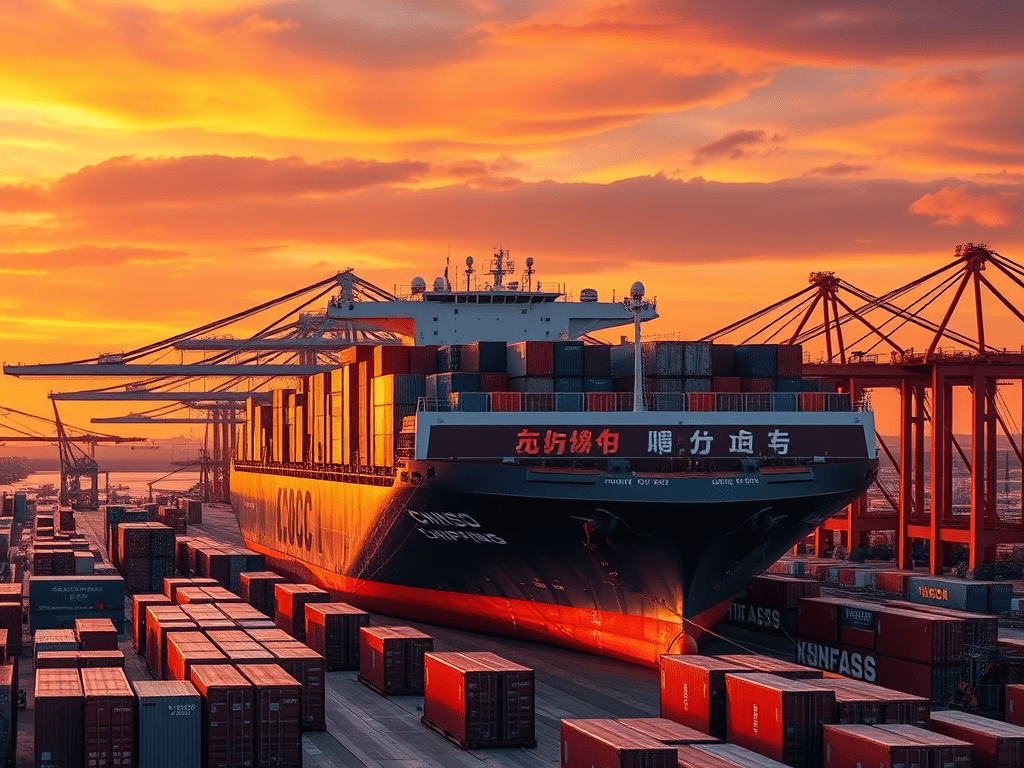
The global shipping industry has once again found itself at the center of geopolitical tensions, with recent developments surrounding China Cosco Shipping, the world’s largest shipowner. With a fleet of 1,086 ships, Cosco is a powerhouse in maritime logistics, but its recent blacklisting by the U.S. government as a military-linked entity is stirring waves of uncertainty in international trade.
China Cosco Shipping Under Fire
This is not the first time Cosco has faced such scrutiny. A similar sanction in 2019 caused spikes in VLCC (Very Large Crude Carrier) rates, showcasing how the global supply chain can be affected by policy decisions. The current designation by the Pentagon is expected to discourage U.S. firms from engaging with Cosco, potentially disrupting the company’s operations across the tanker and container shipping sectors.
Economic and Market Impacts
Analysts at Fearnley Securities predict that the latest blacklisting will add pressure to the tanker market. However, the container shipping sector is expected to face a more significant impact due to Cosco’s extensive footprint. This shift creates uncertainty for Chinese shipping but presents an opportunity for other global fleets to fill the gaps left by Cosco’s constrained operations.
Freight Rates in Focus
Amid this backdrop, freight rates provide a snapshot of the current market dynamics:
- VLCC Spot Rate: $19,100/day
- LNG Spot Rate: $18,000/day
- Singapore Bunker Price (SING): $565/mt
These figures indicate a market adapting to external pressures, with spot rates reflecting shifts in demand and operational adjustments.
Oil Prices and Energy Trends
The oil market remains a critical factor influencing the shipping industry. Current Brent and WTI prices reflect slight stability amid ongoing geopolitical uncertainties:
- Brent Spot: $77.24
- WTI Spot: $74.18
Natural gas prices in the UK also provide insights into energy market fluctuations, with January contracts trading at 119.18p and February contracts slightly lower at 117.80p.
Geopolitical Scrutiny and Speculation
The broader geopolitical climate adds complexity to the situation. With heightened scrutiny of Chinese shipping and shipbuilding companies, speculation looms over potential operational shifts for major players like CNOOC (China National Offshore Oil Corp). The U.S.-China tensions could accelerate regional diversification, with companies seeking alternatives to mitigate risks tied to such sanctions.
Looking Ahead: Winners and Losers
While the blacklisting of Cosco introduces challenges for Chinese shipping, it also creates opportunities for competitors to gain market share. As fleets from other nations step in to fill the void, the long-term implications for global shipping networks remain uncertain.
In the near term, market participants will closely monitor freight rates, oil prices, and policy developments to gauge the broader impact on international trade. The shipping industry’s resilience will be tested, with adaptability and strategic pivots becoming key to navigating these turbulent waters.
As geopolitical pressures persist, the unfolding narrative underscores the interconnected nature of global logistics, energy markets, and international relations.




 Glottis Limited
Leave a comment