
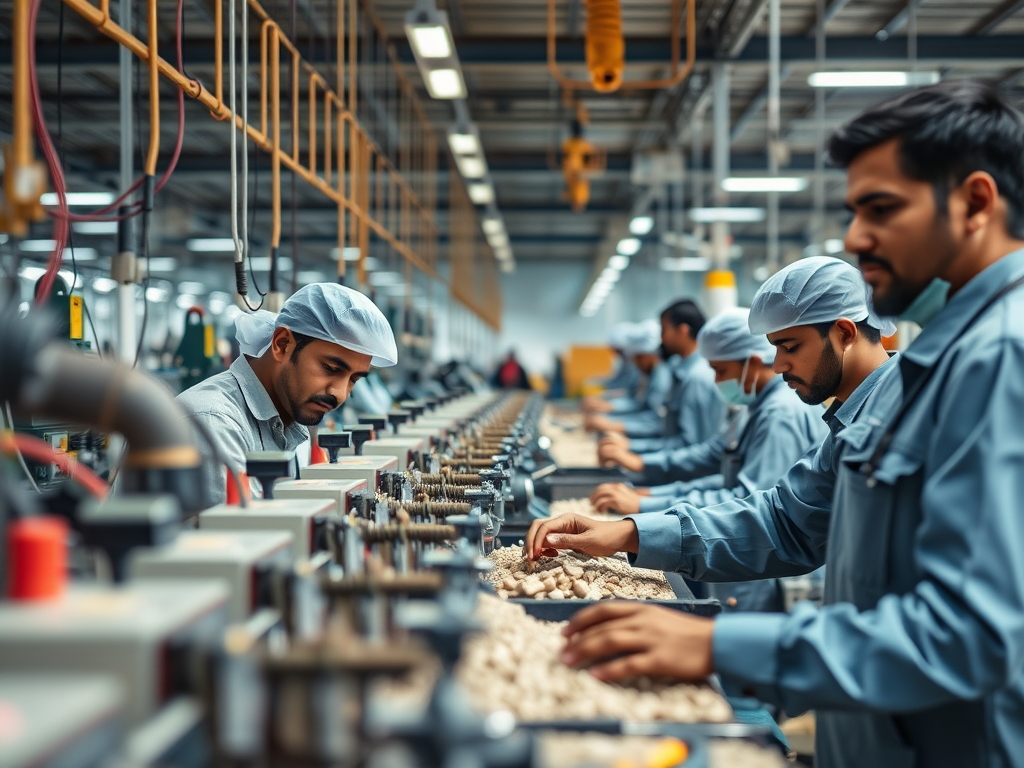
The Government of India is taking significant steps in Budget FY26 to enhance local manufacturing and align with the “Make in India” initiative. Key changes in customs duties, alongside structural reforms, are designed to support domestic industries, promote sustainability, and resolve longstanding disputes. Below is a detailed overview of these developments:
Key Highlights
1. Customs Duty Cuts
- Target Sectors: Medical equipment, electronics, and footwear industries.
- Objective: Reduce costs for raw material imports to make local manufacturing more competitive.
2. Simplification of Customs Regime
- Current Complexity: Over a dozen duty rates create classification challenges and administrative burdens.
- Proposed Structure: Experts advocate for reducing the number of duty rates to 4-5, simplifying the system for businesses.
3. Phased Manufacturing Plan
- Focused duty reductions for industries in the electronics, healthcare products, and pharmaceutical sectors.
- Encourages local value addition and aligns with long-term growth strategies.
4. Amnesty Scheme for Dispute Resolution
- Current Challenges: Over 40,000 pending customs disputes have locked substantial capital.
- Proposed Solution: An amnesty scheme could expedite settlements and release blocked funds for reinvestment.
5. Impacts of Duty Rationalization
- Streamlining customs duties is expected to:
- Enhance ease of trade.
- Minimize classification disputes.
- Encourage domestic manufacturing competitiveness.
6. Sustainable Manufacturing Support
- Focus on rationalizing duties for recyclable and reused materials.
- Aims to foster sustainable manufacturing practices, crucial for environmental and economic sustainability.
7. Economic Outlook
- The measures will address global challenges and uncertainties while driving growth in local manufacturing.
Summary of Key Data
| Aspect | Details |
|---|---|
| Customs Duty Cuts | Focus on raw materials for medical equipment, electronics, and footwear. |
| Simplification of Customs Regime | Proposal to reduce duty rates from over a dozen to 4-5. |
| Phased Manufacturing Plan | Duty reductions in electronics, healthcare products, and pharmaceuticals. |
| Amnesty Scheme | Suggested for over 40,000 pending disputes, unlocking significant capital. |
| Duty Rationalization Impact | Promotes ease of trade, reduces disputes, and supports “Make in India”. |
| Sustainable Practices | Rationalization of duties on recyclable and reused materials to bolster sustainable growth. |
| Economic Outlook | Expected to enhance manufacturing amid global economic challenges. |
The proposed reforms in customs duties and the legal framework highlight the government’s commitment to creating a robust, competitive, and sustainable manufacturing ecosystem in India. These initiatives will not only support the “Make in India” vision but also contribute to the country’s resilience in a dynamic global economy.




 Glottis Limited
Leave a comment