

Australia has come under scrutiny for importing goods linked to Uyghur forced labor despite international sanctions and growing activism. Below is an exploration of the issue, highlighting key data and responses.
Key Points on Uyghur Forced Labor and Australian Imports
| Aspect | Details |
|---|---|
| Detention of Uyghurs | Uyghurs in Xinjiang face detainment under state-sponsored repression. Example: Mamutjan Abdurehim, a Uyghur-Australian, whose wife was detained in 2017 and remains missing. |
| Australian Imports | Australia continues importing goods from U.S.-blacklisted Chinese companies linked to forced labor, despite global outcry and U.S. sanctions under the Uyghur Forced Labor Prevention Act. |
| Scale of Imports | Over 3,300 import declarations from eight blacklisted companies were reported, indicating an increase in imports after U.S. sanctions began. |
| Key Companies Involved | – KTK Group: Train parts supplier, blacklisted for using Uyghur labor. |
| – Camel Group: Battery manufacturer, blacklisted in 2023 for alleged forced labor practices. | |
| – Chenguang Biotech: Blacklisted in 2023 for sourcing materials linked to forced labor. | |
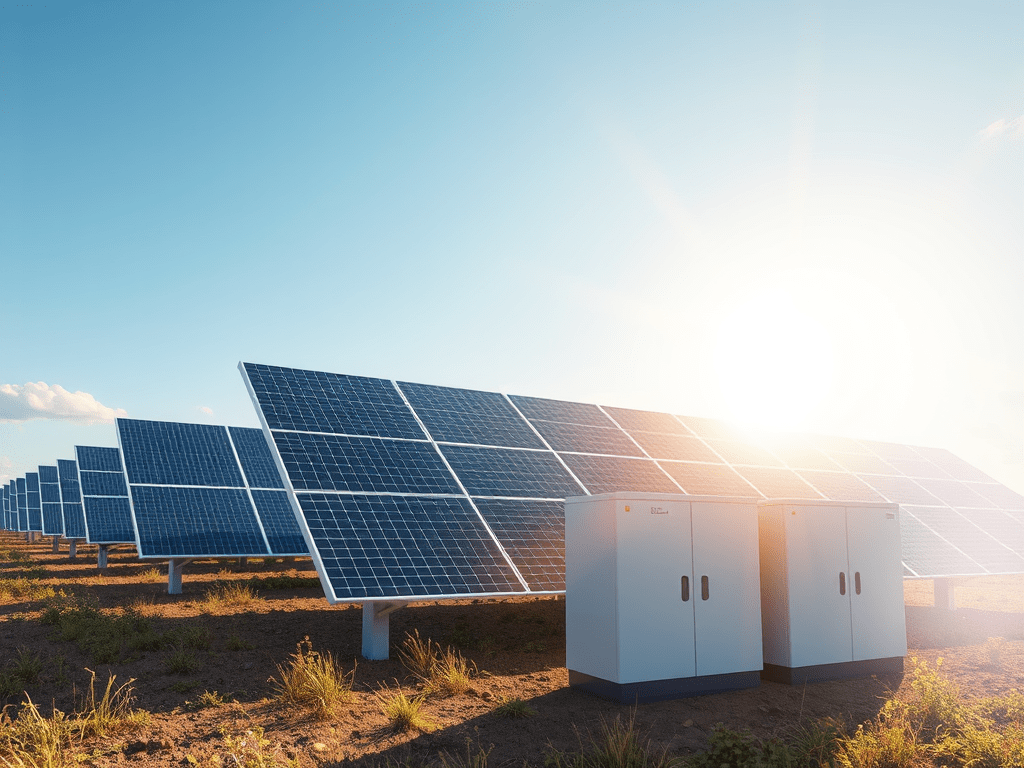
| – Hoshine Silicon: Major supplier to the solar industry, implicated in forced labor operations. | |
| Local Activism | Australian Uyghur community representatives and activists are urging stronger government action, emphasizing moral and ethical concerns over complicity. |
| Government Response | Australia relies on the Modern Slavery Act, requiring businesses to report anti-forced-labor efforts. Critics argue it is inadequate compared to U.S. or EU measures. |
| Global Context | Xinjiang’s forced labor issue is part of broader state-sponsored repression, with millions at risk via internment camps and coercive labor transfer programs. |
| China’s Denial | The Chinese government dismisses allegations as “lies and disinformation” propagated by Western nations. |
Key Insights
- Human Rights Concerns: The detention of Uyghurs and the alleged use of forced labor highlight severe human rights abuses in Xinjiang.
- Trade vs. Ethics: Australia’s continued imports from blacklisted firms raise questions about its commitment to ethical trade practices.
- Policy Gaps: The Modern Slavery Act, while a step forward, is criticized for lacking the enforcement seen in U.S. and European legislation.
Conclusion
Australia faces increasing pressure to align its policies with global standards and take stronger action against forced labor in supply chains. Addressing this issue requires balancing economic interests with moral imperatives to ensure adherence to international human rights principles.

 Glottis Limited
Leave a comment