
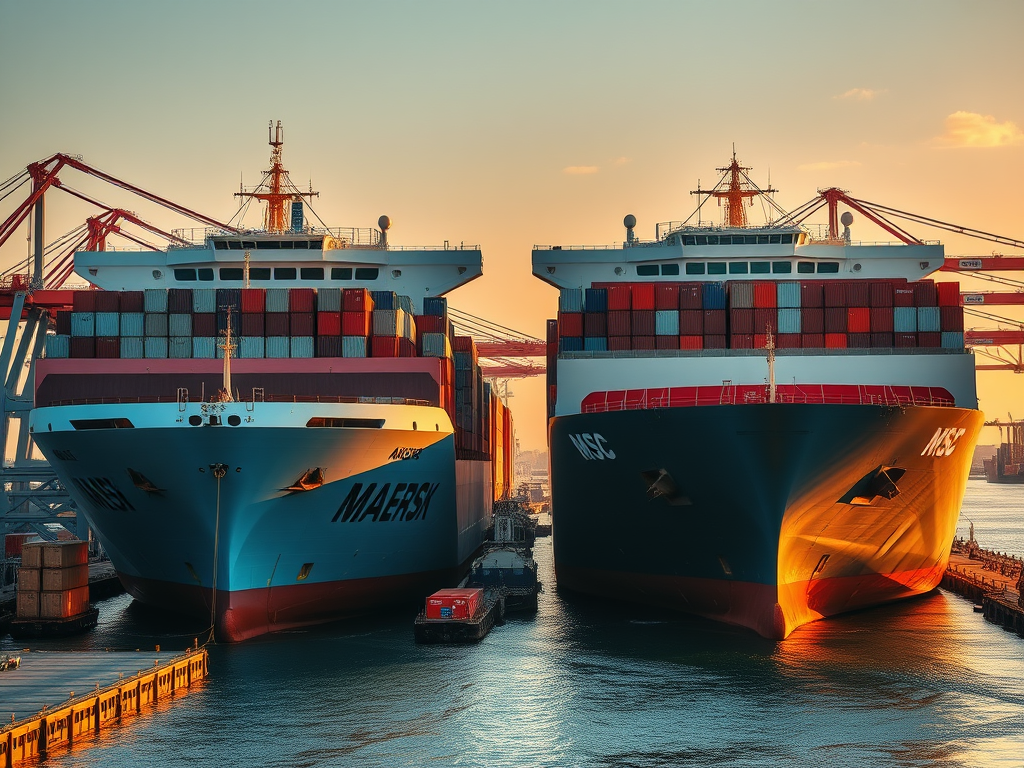
Aarhus Havn, Denmark’s busiest commercial port, has long been a stronghold for Maersk, the shipping giant synonymous with the Danish maritime industry. However, recent developments have made this historic port a battlefield for fierce competition between Maersk and its primary rival, MSC (Mediterranean Shipping Company).
The rivalry is emblematic of a broader transformation in the global shipping industry, driven by efficiency, capacity management, and customer-centric service delivery.
The Battle for Aarhus Havn
- Port Dominance Challenged:
Aarhus Havn’s strategic importance as a commercial gateway has traditionally aligned with Maersk’s dominance. However, the announcement of a new terminal project revealed cracks in this monopoly. While initial expectations leaned toward Maersk securing the contract, the final decision surprised stakeholders, signaling a competitive shift in the region. - Rising Competition:
MSC has emerged as a formidable challenger to Maersk’s supremacy, leveraging innovative strategies and expanding its global footprint. This rivalry at Aarhus Havn underscores the growing competition in the industry, with both companies striving to ensure timely container deliveries—an area critical for customer satisfaction and operational excellence.
How the Rivalry Affects Shipping Rates
The competition between Maersk and MSC doesn’t just impact port operations; it also plays a significant role in shaping global shipping rates.
| Key Factors | Impact on Shipping Rates |
|---|---|
| Increased Competition | Price wars can lead to reduced shipping rates as companies compete for market share. |
| Service Differentiation | Value-added services, such as faster delivery or better tracking, may influence pricing. |
| Capacity Adjustments | Changes in fleet capacity can affect supply-demand dynamics, causing rate fluctuations. |
| Market Positioning | Stronger negotiation leverage by a dominant carrier can stabilize or lower market rates. |
| External Economic Conditions | Fuel prices, trade policies, and global demand fluctuations can significantly alter rates. |
| Strategic Alliances | Shared resources and optimized routes from alliances can lead to competitive pricing. |
Strategic Approaches of Maersk and MSC
- Maersk’s Strengths:
Maersk’s legacy lies in its established infrastructure, strong alliances, and focus on integrated logistics solutions. Its comprehensive services, from end-to-end supply chain management to sustainability initiatives, make it a preferred partner for many. - MSC’s Approach:
MSC focuses on fleet expansion, advanced digital solutions, and customer-centric operations. Its ability to adapt quickly to market changes and offer competitive rates has positioned it as a serious contender against Maersk.
Broader Implications for the Shipping Industry
The rivalry at Aarhus Havn is not an isolated event but a reflection of the rapidly evolving dynamics in global trade. Both companies are innovating to tackle the industry’s challenges, from operational efficiencies to reducing carbon footprints.
Looking Ahead
The competitive landscape at Aarhus Havn highlights the importance of adaptability in the shipping sector. As Maersk and MSC continue to vie for dominance, stakeholders must navigate a market characterized by fluctuating rates, capacity shifts, and heightened customer expectations.
This battle for Aarhus Havn serves as a microcosm of the larger shipping industry’s transformation—a blend of tradition, innovation, and relentless competition shaping the future of global trade.



 Glottis Limited
Leave a comment