
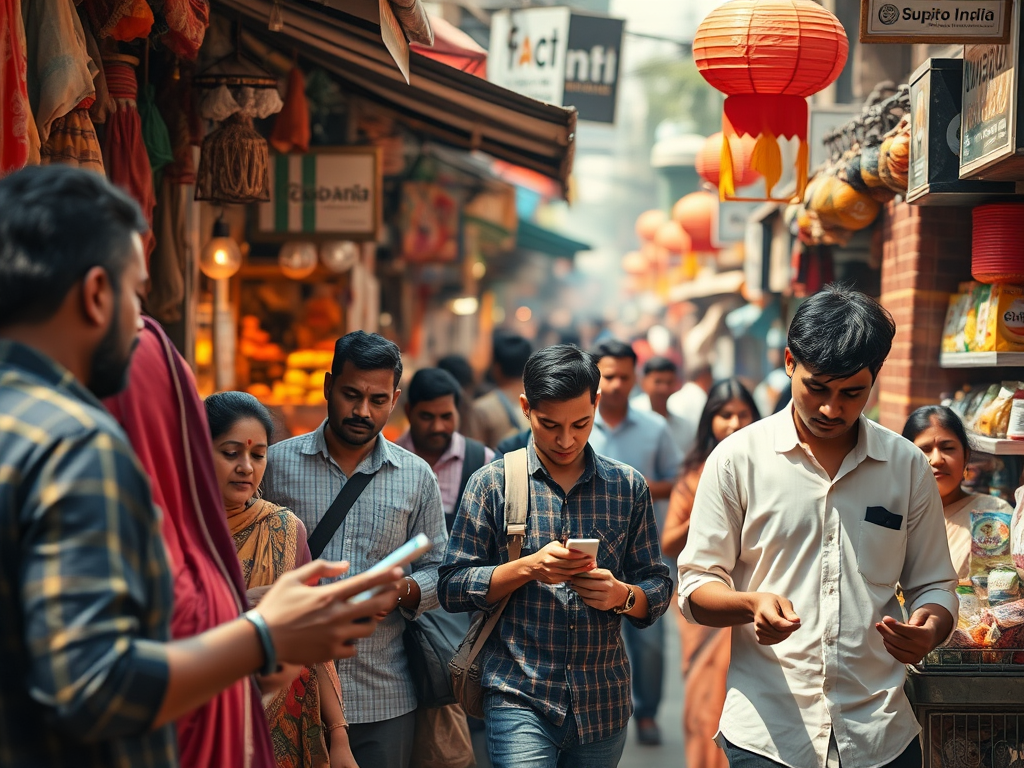
The global economic landscape is undergoing a transformative shift, with consumption patterns migrating from North America and Western Europe to India and emerging Asia. According to a recent report by the McKinsey Global Institute, this shift is being driven by rising incomes, changing demographics, and evolving consumer preferences. By 2050, these regions are expected to account for 30% of global consumption at purchasing-power parity (PPP), up from just 12% in 1997.
This article explores the factors behind this shift, its impact on global trade, and how import and export markets are expected to evolve in response.
Key Trends in Global Consumption Shift
| Factor | 1997 | 2050 Projection |
|---|---|---|
| Share of Global Consumption (India & Emerging Asia) | 12% | 30% |
| Share of Global Consumption (Advanced Economies) | 60% | 30% |
| Seniors’ Share of Global Consumption | 12% | 25% |
| Developing Countries’ Share of Global Labor Supply | Moderate | High |
| Key Growth Drivers | Advanced economies | Emerging markets & Asia |
1. The Rise of India and Emerging Asia
The economic rise of India and its Asian counterparts is primarily fueled by rapid urbanization, higher disposable incomes, and increasing digital penetration. Countries like Indonesia, Vietnam, and the Philippines are also witnessing surges in middle-class consumption, making them pivotal players in the global demand shift.
2. Changing Demographics and Workforce Growth
By 2050, seniors will account for a quarter of global consumption, doubling their influence compared to 1997. Additionally, developing countries will provide a significant share of the global labor supply, ensuring sustained economic growth. This will reshape the demand for healthcare, financial services, and technology-based solutions tailored to older demographics.
3. Challenges for Global Businesses
Companies looking to capitalize on this shift must navigate:
- Market Complexity: Legal and regulatory hurdles in India and other emerging markets.
- Affordability Issues: Consumers in these regions have diverse purchasing capacities.
- Product Adaptation: Companies must innovate to align with regional tastes and preferences.
4. The Impact on Global Trade: Import and Export Dynamics
With a significant rise in consumption, import and export patterns will shift accordingly:
| Sector | Current Trend | Future Trend (2050) |
|---|---|---|
| Consumer Goods | Dominated by North America & Europe | India & Asia as major importers |
| Energy & Resources | Heavy demand from Western economies | High demand in India & Southeast Asia |
| Technology Exports | Mostly from the U.S. and China | Rise in domestic tech manufacturing in Asia |
| Agricultural Imports | India & Asia reliant on food imports | Increased regional self-sufficiency |
| Luxury Goods | Primarily European market | Rising demand from Asia’s affluent class |
5. Opportunities in Trade and Logistics
- Port and Infrastructure Expansion: With increased imports, Indian ports such as Mundra, JNPT, and Chennai are likely to experience significant growth.
- Freight Forwarding Evolution: The demand for containerized and bulk cargo handling will rise, benefiting logistics providers with strong regional networks.
- Supply Chain Diversification: Businesses will need to develop robust supply chains in emerging markets to manage increased trade volumes efficiently.
Conclusion
As India and emerging Asia continue their upward trajectory, global consumption patterns will increasingly revolve around these economies. Businesses must adapt by innovating products, streamlining supply chains, and overcoming market entry challenges. The future of trade will see a balance shift, with emerging markets playing a leading role in defining global demand.
For businesses in logistics, freight forwarding, and manufacturing, this shift represents both a challenge and an opportunity—one that requires strategic planning, investment, and agility to capitalize on the next wave of global consumption.




 Glottis Limited
Leave a comment