
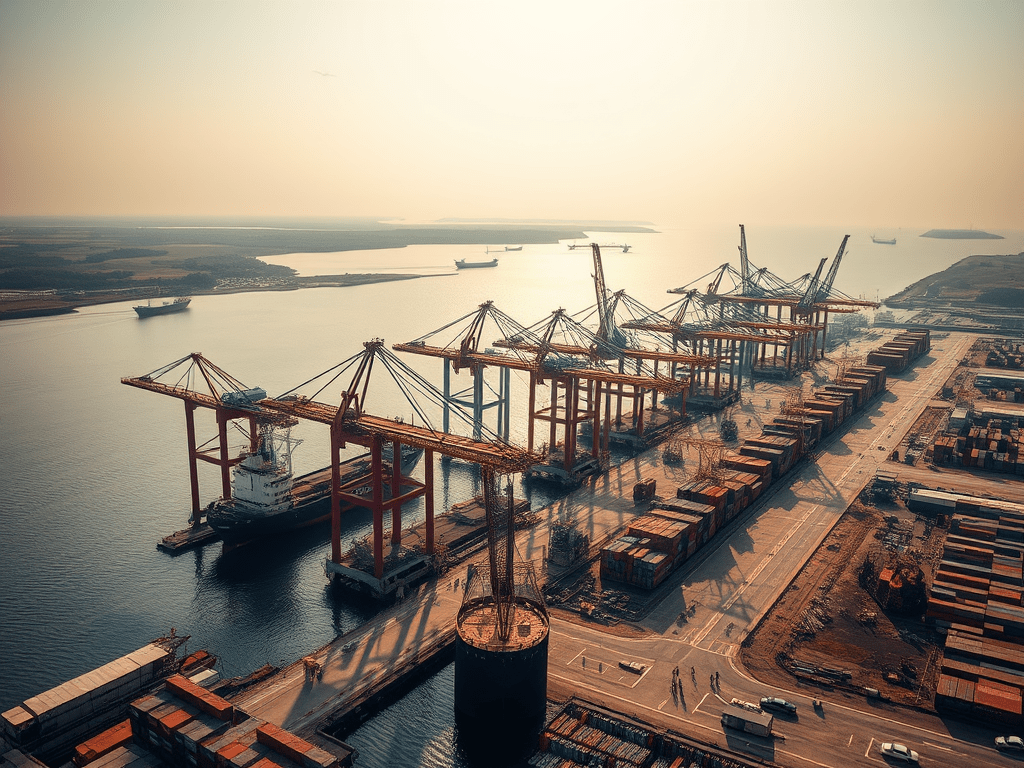
Germany’s industrial sector experienced a strong rebound in December, with industrial orders surging by 6.9% compared to the previous month, significantly surpassing the expected 2.0% growth. However, the increase was largely driven by large-scale orders, raising concerns about the sustainability of this growth amid broader economic challenges.
Key Highlights from the Report
| Aspect | Details |
|---|---|
| December Industrial Orders | +6.9% (higher than the expected 2.0% increase) |
| Large-Scale Orders Impact | Orders for aircraft, ships, trains, and military vehicles rose by 55.5% |
| Excluding Large Orders | Growth reduced to 2.2% |
| November Orders | Revised downward to -5.2% |
| Quarterly Stability | No change in Q4 2024, indicating long-term stability despite monthly fluctuations |
| Economic Concerns | Trade tensions with the U.S. and reliance on large-scale contracts raise concerns |
What This Means for the German Economy
While the strong December figures offer optimism, economists remain cautious about the industrial sector’s resilience. LBBW economist Jens-Oliver Niklasch warned that large orders tend to distort the data, masking underlying weaknesses in demand. Additionally, growing trade uncertainties with the U.S. could pose challenges in 2025.
Looking Ahead
- The short-term outlook remains positive, supported by large-scale contracts.
- Without large orders, underlying industrial demand appears weaker than headline numbers suggest.
- Trade disputes and geopolitical factors will play a crucial role in shaping industrial performance in the coming months.
Germany’s industrial sector must navigate these uncertainties while ensuring consistent demand across various industries, beyond just large-scale investments.




 Glottis Limited
Leave a comment