
Introduction
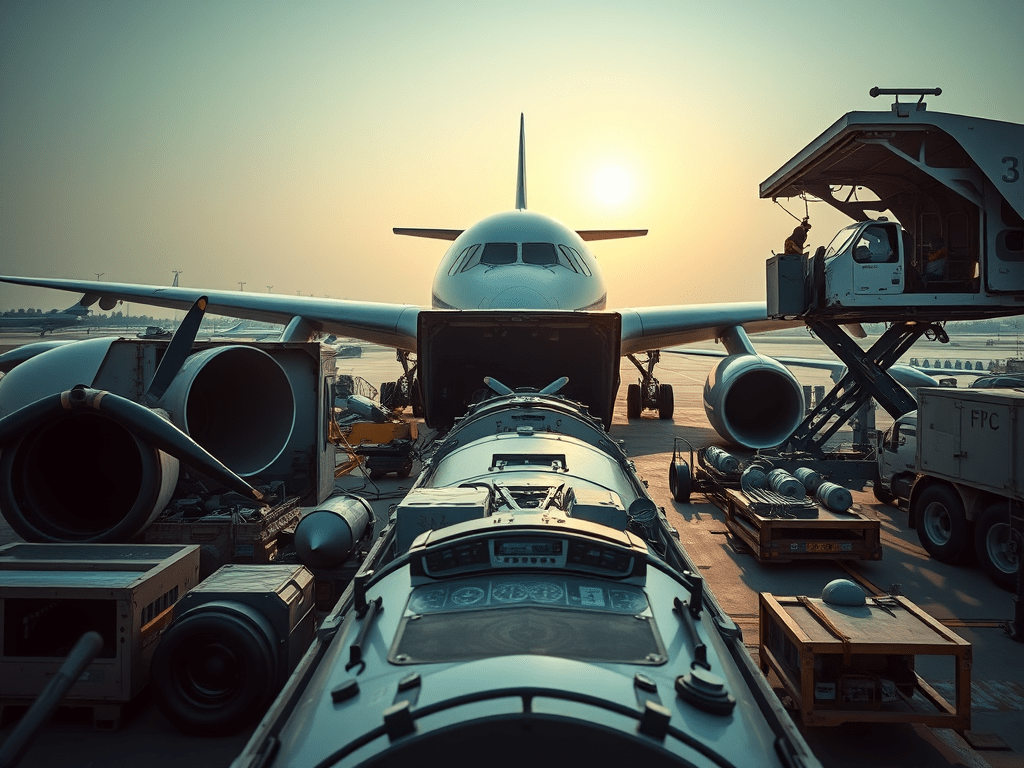
Since February 2022, Western nations, including the UK, EU, and US, have imposed strict sanctions on Russia, restricting the sale of aircraft parts and aviation-related products. However, recent reports indicate that India has become a key intermediary in facilitating the re-export of Western aircraft components to Russian airlines.
Key Data on Aircraft Parts Export via India
| Aspect | Details |
|---|---|
| Sanctions Imposed By | UK, EU, and US |
| Export Route | Western firms export aircraft parts to India, which are then re-exported to Russian airlines |
| Involved Western Firms | Over 100 companies, including Boeing |
| Export Volume | ₹433 crore ($50 million) worth of aircraft parts shipped to Russia from January 2023 – September 2024 |
| Number of Shipments | ~700 cargo shipments during this period |
| Types of Goods | Sensors, propeller blades, generators, cockpit displays, filters, screws, and bolts |
| Indian Intermediaries | Shaurya Aeronautics, Agrim Aviation, and others |
| US Sanctions on Indian Firms | Some Indian firms involved have been placed under economic sanctions by the US |
| Boeing’s Statement | Boeing claims it halted major operations in Russia in March 2022 and does not intend for its products to reach Russia |
| Regulatory Scrutiny | The US is tightening sanctions to block indirect supply routes and curb Russia’s military aviation capabilities |
| Sanctioned Entities | Ascend Aviation, ASL Aerospace, and others added to the US sanctions list |
Implications of This Trade
1. How India Became a Key Re-Export Hub
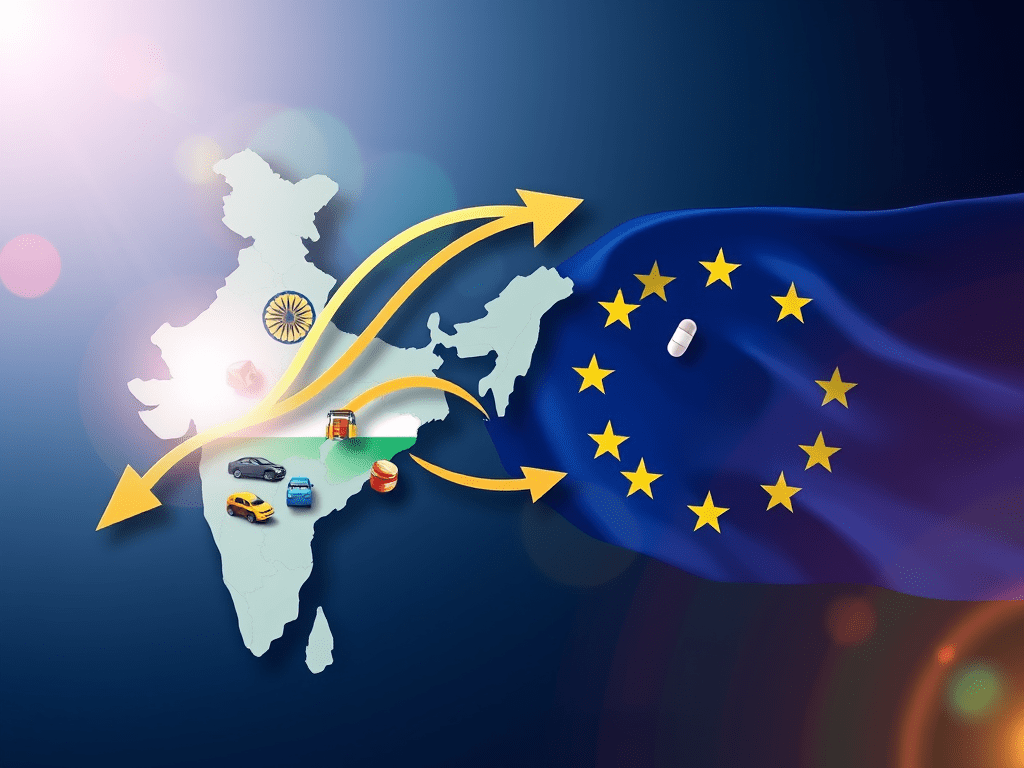
Despite international sanctions, India’s strategic location and aviation trade links have made it a transit point for Western aircraft parts heading to Russia. Indian firms act as intermediaries, importing parts from the US and EU before re-exporting them to Russian airlines in need of maintenance and replacement components.
2. Global Regulatory Pressure
With reports uncovering these indirect supply chains, the US and its allies are intensifying scrutiny of Indian firms involved in the trade. Stricter export controls and potential economic penalties may follow to ensure compliance with Western sanctions.
3. Boeing’s Position and Industry Impact
While Boeing and other Western firms publicly state compliance with sanctions, the presence of their products in Russia highlights gaps in enforcement. This situation underscores the complexities of global supply chains and the difficulty of fully enforcing sanctions across indirect trade routes.
Conclusion
The re-export of aircraft parts via India to Russia reveals how global trade can circumvent sanctions, enabling critical industries to remain operational. As Western nations tighten their enforcement, Indian aviation intermediaries may face heightened scrutiny, potentially affecting future trade policies and geopolitical relationships.


 Glottis Limited
Leave a comment