
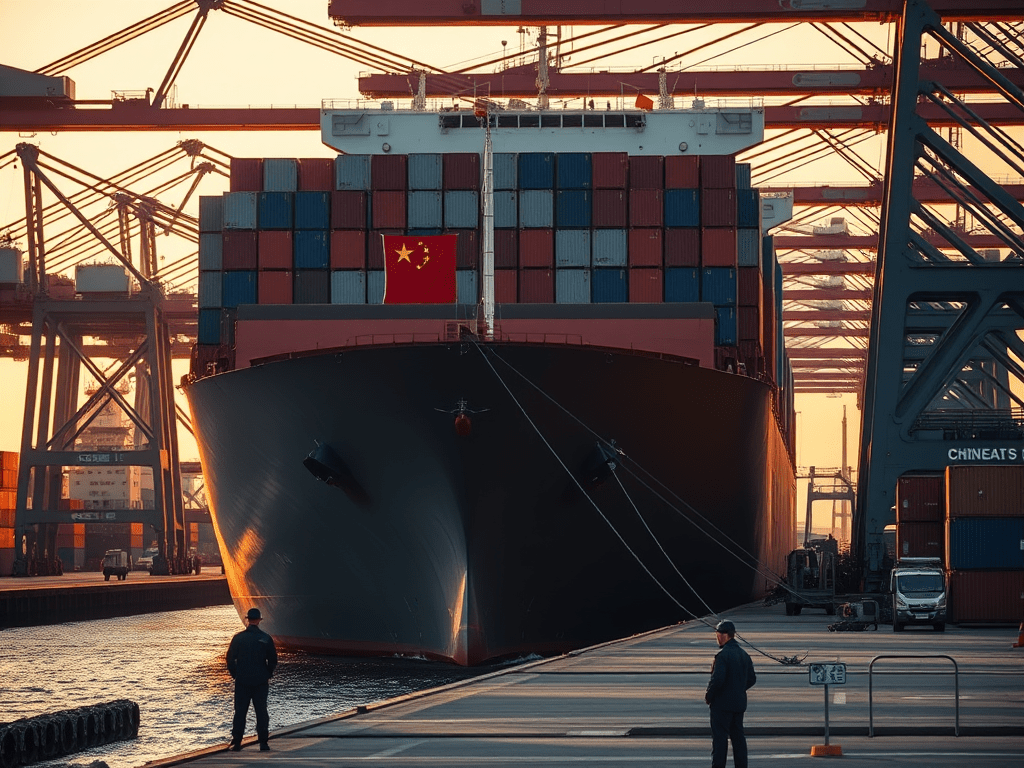
Overview of Proposed U.S. Fees on Chinese Ships
The U.S. government has proposed new fees on Chinese-built and Chinese-operated vessels docking at American ports. The proposed tariffs are aimed at countering China’s dominance in global shipbuilding and maritime transport. The details of these fees are as follows:
| Fee Type | Amount |
|---|---|
| Ships built in China | Up to $1.5 million per port call |
| Operators with at least one Chinese-built ship | $500,000 per port call |
| Vessels operated by Chinese-owned companies (e.g., COSCO) | $1 million per port call |
Purpose of the Proposal
- Designed to reduce reliance on Chinese-built ships and counter China’s maritime influence.
- Aligns with a tough-on-China trade policy, resonating with political supporters.
- Encourages U.S. companies to explore alternative shipping and trade routes.
Potential Impacts on U.S. Trade
| Impact Area | Expected Consequence |
| Supply Chains | Increased costs due to higher shipping expenses |
| Freight Costs | Higher import prices passed on to U.S. consumers |
| Trade Flow | Likely shift of shipments to alternative routes |
Canadian Ports as Beneficiaries
- Canadian ports such as Vancouver and Prince Rupert are expected to receive increased cargo volumes.
- Canadian rail networks (Canadian National and Canadian Pacific Kansas City) provide efficient rail connections to the U.S. interior.
- Shippers may increasingly reroute cargo through Canada to avoid fees.
Economic Impact on Shipping Companies
| Metric | Data |
| Global Chinese-built fleet | 24,800 vessels |
| Average container ship revenue per voyage | ~$15 million |
| Potential revenue loss due to fees | Up to one-third of revenue |
- The proposal could restrict available capacity, as shippers may hesitate to use Chinese-built vessels.
- Exporters may explore Canadian ports to avoid capacity shortages and comply with new U.S. cargo preference rules, which favor American-flagged and American-built vessels.
Broader Trade Implications
- The new regulations could reshape North American trade routes, shifting more cargo to Canada.
- Canadian railroads and logistics providers stand to gain significant business.
- Final decision on the proposal rests with President Trump, with public comments accepted until March 24.
GDP and Consumer Price Effects
| Economic Factor | Impact |
| Consumer Prices | Potential increase due to higher shipping costs |
| U.S. GDP Growth | Risk of slowdown if supply chain disruptions occur |
| Trade Deficit | Possible shift in trade balances with China |
Industry Reactions and Next Steps
- Logistics experts anticipate significant shifts in shipping and trade routes.
- Businesses involved in global trade should monitor developments closely and plan for potential contingencies.
- The final outcome of this policy will shape the future landscape of U.S.-China trade relations and the role of Canada as an alternative trade hub.




 Glottis Limited
Leave a comment