
Introduction
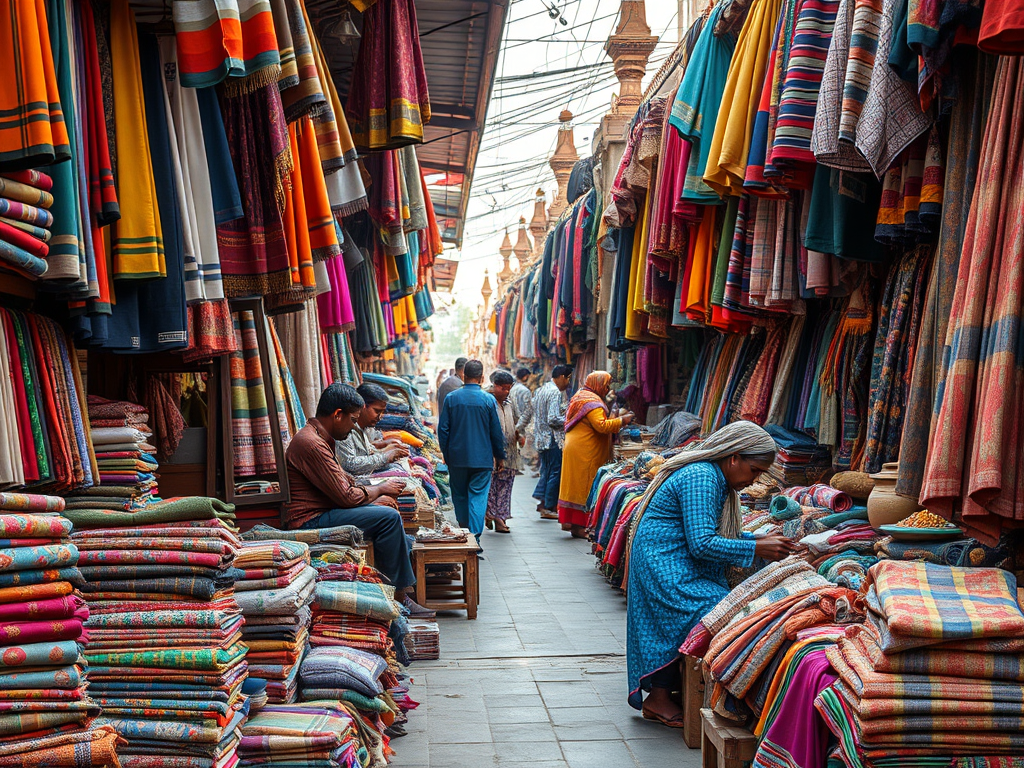
India’s textiles industry holds immense potential for economic growth, job creation, and global trade expansion. As geopolitical shifts, including trade protectionism and economic nationalism, reshape the global supply chain, India is well-positioned to capitalize on emerging opportunities. However, to unlock this potential, strategic policy reforms and industry modernization are crucial.
India’s Textiles Market Size
As of 2023, India’s textiles market is valued at approximately $100 billion. This figure includes various industry segments such as:
| Segment | Market Value Contribution |
|---|---|
| Apparel | Major contributor to overall market size |
| Home Textiles | Growing demand in both domestic and export markets |
| Technical Textiles | Increasing adoption across industries |
The market is expected to experience significant growth due to rising domestic demand, export opportunities, and government initiatives like the Production-Linked Incentive (PLI) scheme.
Key Opportunities in the Textiles Industry
| Factor | Details |
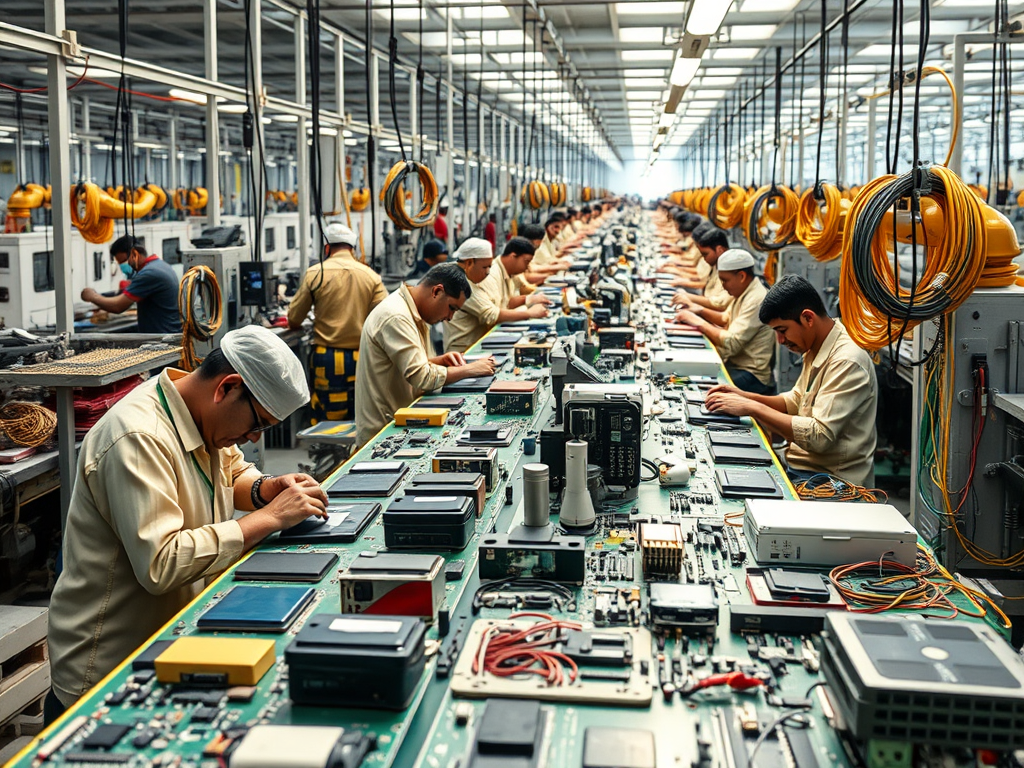
| Job Creation Potential | The industry can generate 10 million new jobs, contributing to employment growth. |
| Policy Reforms Needed | Zero-duty imports for man-made textile raw materials can boost competitiveness. |
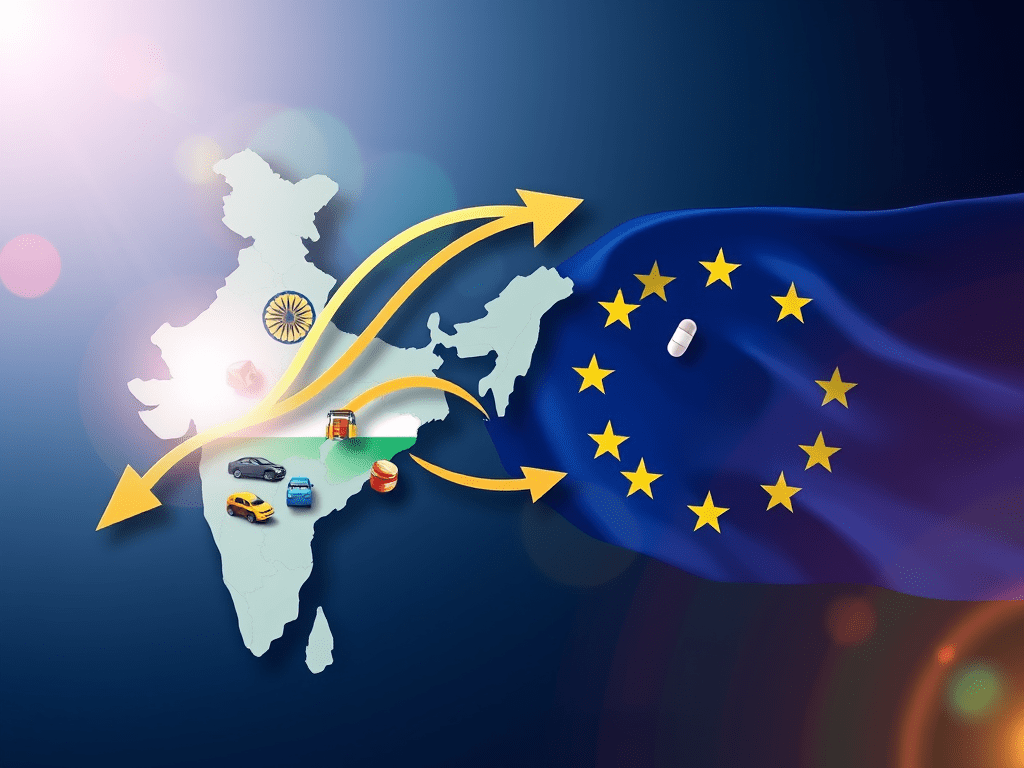
| Geopolitical Context | Trade protectionism and tariffs in global markets open new export opportunities for India. |
| Low Barriers to Entry | The industry requires lower capital investment compared to sectors like automotive and pharmaceuticals, making it attractive for small and medium-sized enterprises (SMEs). |
| Inclusive Growth | Facilitates the development of smaller businesses and industries, driving economic inclusivity. |
| Current Underutilization | India has yet to fully leverage the potential of its textiles sector for global dominance. |
Expanding Beyond Textiles
While textiles present significant opportunities, other sectors like food processing and clean technology also hold promise. However, these industries require bold reforms and policy support to scale up manufacturing and strengthen India’s position in global supply chains.
Conclusion
India’s textiles industry stands at a crucial juncture. With the right policy interventions, investment incentives, and infrastructure improvements, the sector can become a global leader. As geopolitical dynamics continue to evolve, India has a strategic opportunity to expand its market share and drive economic growth through textiles and related industries.


 Glottis Limited
Leave a comment