
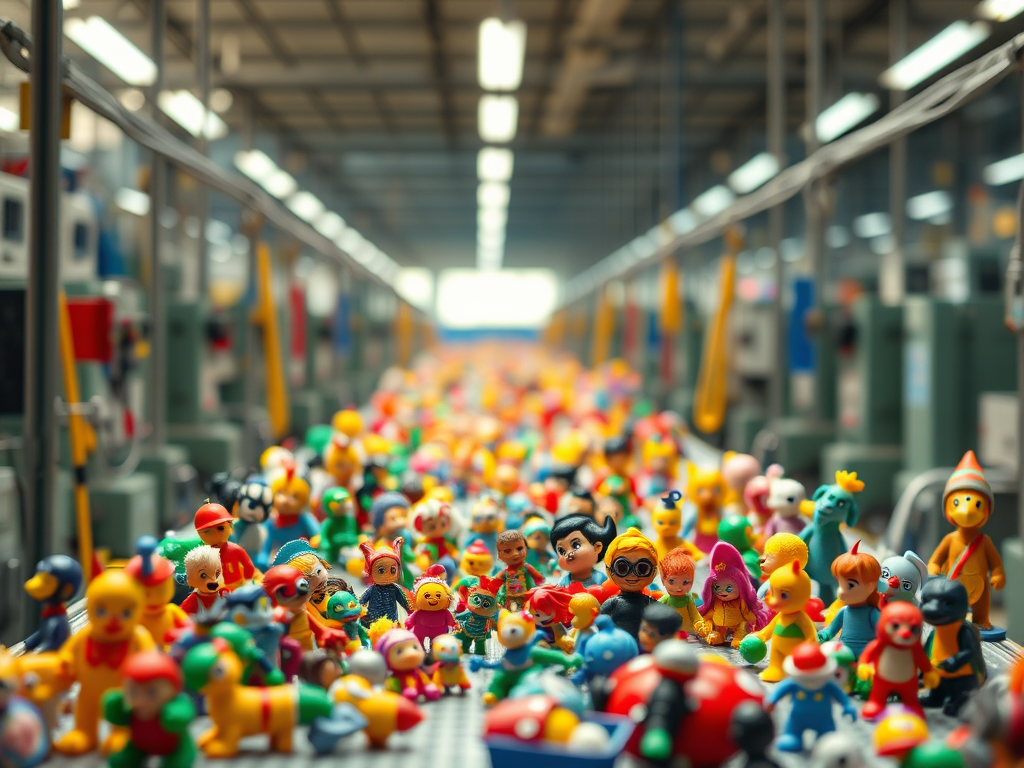
MGA Entertainment, the company behind popular toy brands such as Bratz and L.O.L. Surprise! dolls, is making significant changes to its manufacturing strategy. The company plans to reduce its heavy reliance on China and move 40% of its production to India, Vietnam, and Indonesia within six months. This strategic shift comes as a response to rising costs, trade tariffs, and the need for a diversified supply chain.
Key Developments in MGA’s Manufacturing Shift
| Aspect | Details |
|---|---|
| Current Manufacturing | 60% of MGA’s production is based in China. |
| Planned Reduction | 40% of manufacturing to shift to India, Vietnam, and Indonesia. |
| Initial Plan | Earlier, only 20-25% of production was planned to move out of China. |
| Price Impact | Potential 20% increase in prices at retailers like Walmart and Target. |
| Tariff Effect | U.S. trade war tariffs on Chinese imports are increasing manufacturing costs. |
| Industry Context | 77% of U.S. toy production currently takes place in China. |
| Challenges | U.S. production remains costly and inefficient for large-scale toy manufacturing. |
Reasons Behind MGA’s Manufacturing Shift
| Factor | Explanation |
| Trade Tariffs | U.S. tariffs on Chinese imports have increased costs for toy companies. |
| Supply Chain Diversification | Reducing dependency on China to mitigate risks from trade disruptions. |
| Cost Management | Rising labor and production costs in China prompt companies to seek cheaper alternatives. |
| Competitive Pricing | Shifting production helps maintain affordable prices for consumers. |
| Consumer Impact | Higher tariffs lead to increased retail prices, affecting affordability. |
| Production Constraints | Some toys are too complex or costly to manufacture in the U.S. |
| Market Demand | Maintaining low production costs ensures affordability for price-sensitive consumers. |
Industry-Wide Impact and Challenges
The toy industry as a whole is facing significant adjustments due to rising tariffs and increasing production costs in China. With Chinese factories accounting for nearly 77% of toy production for the U.S. market, major toy companies like Mattel and Hasbro are also seeking alternative manufacturing locations. However, shifting production to new countries presents operational challenges, including workforce training, infrastructure development, and quality control issues.
MGA Entertainment’s CEO, Isaac Larian, has emphasized that while relocating manufacturing to the U.S. remains impractical due to high costs, the move to India, Vietnam, and Indonesia is expected to provide a balance between cost efficiency and quality production.
Consumer and Retailer Impact
As MGA shifts production, there may be short-term price increases for consumers, particularly on toys still manufactured in China. Major retailers like Walmart and Target could see up to a 20% rise in wholesale prices, potentially affecting sales volume. Additionally, higher prices may drive demand for cheaper alternatives, which could introduce concerns regarding product safety and quality.
Conclusion
MGA Entertainment’s decision to relocate 40% of its production outside China marks a significant step in response to economic pressures and global trade dynamics. This shift not only highlights the evolving landscape of toy manufacturing but also underscores the importance of supply chain diversification in today’s competitive market. As the industry navigates these changes, companies will need to adapt their strategies to balance cost, efficiency, and consumer demand.



 Glottis Limited
Leave a comment