

India’s trade landscape is experiencing significant shifts due to potential reciprocal tariffs from the US and evolving global economic conditions. Despite the possible decline in exports, India is employing strategic measures to diversify its trade partnerships, strengthen supply chains, and enhance export capabilities.
Key Trends and Trade Strategies
| Aspect | Details |
|---|---|
| Potential Export Impact | India’s exports to the US may decline by 3-3.5% if reciprocal tariffs are imposed. |
| Mitigating Factors | Diversification of India’s export base and establishment of new trade routes may offset potential losses. |
| Trade Route Strategies | India is exploring alternative trade routes from Europe to the US via the Middle East to strengthen supply chains. |
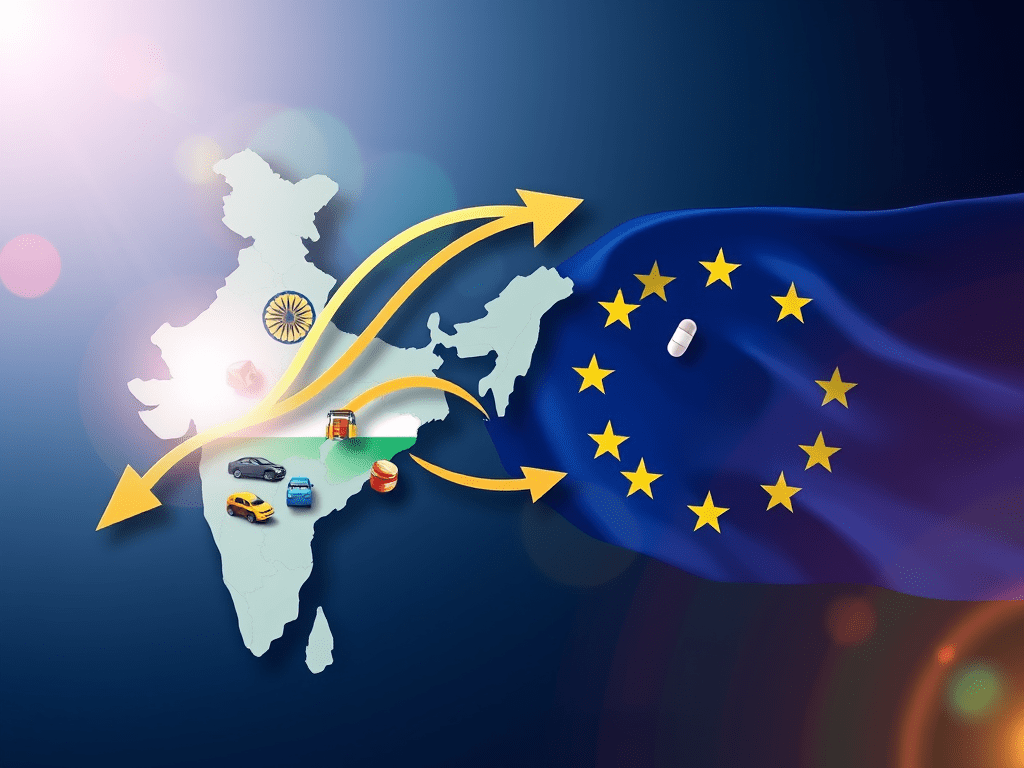
| Free Trade Agreements (FTAs) | India has signed 13 FTAs in the last five years and is in discussions with the UK, Canada, and the EU to boost trade. |
| Sector-Specific Gains | India could benefit from US tariffs on aluminium and steel despite a minor trade deficit in these sectors. |
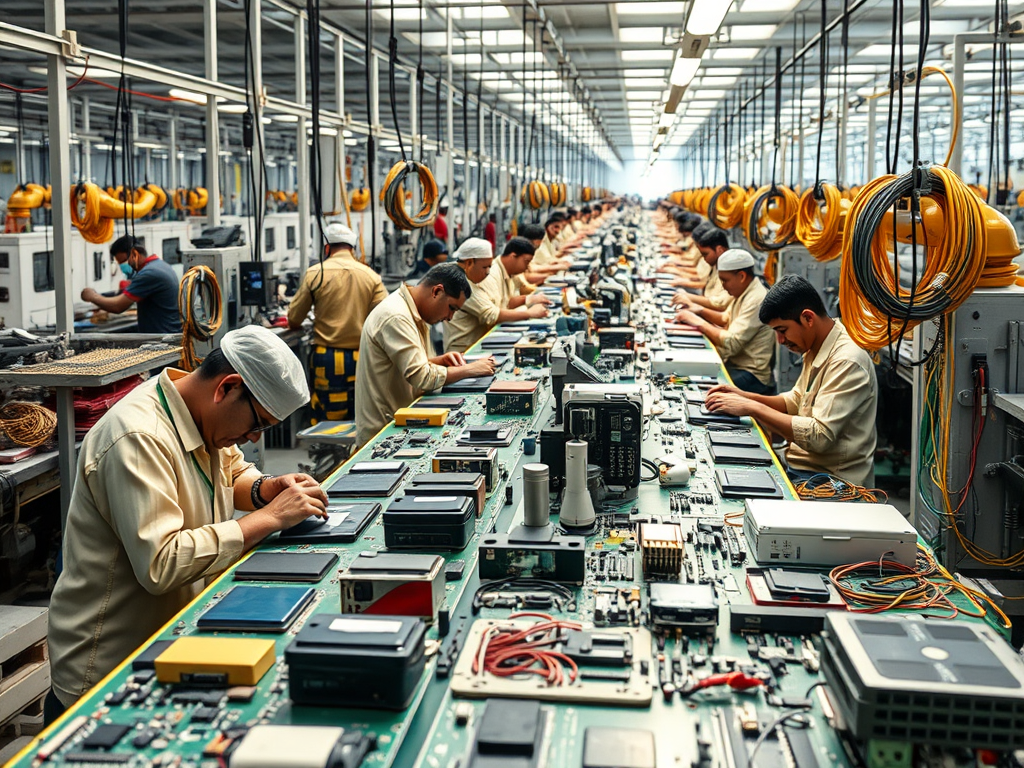
| Manufacturing & Services Focus | Efforts are being made to boost outbound trade in both manufacturing and services to achieve higher export targets. |
| Economic Growth from Digital Trade | Digital trade agreements could contribute an estimated $1 trillion to India’s GDP by 2025. |
| Global Economic Influences | India’s trade strategies are shaped by geopolitical events, particularly the US-China trade conflict. |
Factors Influencing India’s Trade Dynamics
| Factor | Impact on Trade |
| Global Economic Conditions | Economic trends in key trading partners affect demand for Indian exports; fluctuations in commodity prices influence import costs. |
| Geopolitical Relations | Bilateral and multilateral ties shape trade policies; tensions between major economies impact India’s trade strategies. |
| Trade Agreements & Policies | Participation in FTAs facilitates market access and tariff reduction; ongoing negotiations with key economies open new trade opportunities. |
| Exchange Rates | Rupee valuation affects export competitiveness; currency volatility introduces trade transaction risks. |
| Supply Chain Factors | Global supply chain disruptions (e.g., COVID-19, regional conflicts) impact India’s sourcing and exports; diversification strengthens trade resilience. |
| Sectoral Strengths | Strongholds in IT, pharmaceuticals, textiles, and agriculture bolster exports; enhanced manufacturing capabilities improve competitiveness. |
| Domestic Policies | Regulatory frameworks influence trade ease; government initiatives like ‘Make in India’ drive export growth. |
| Infrastructure Development | Logistics and port upgrades improve trade efficiency; better infrastructure reduces costs and enhances global reach. |
| Technological Advancements | E-commerce and digital supply chain adoption expand market access; digital trade agreements present new economic growth avenues. |
| Tariffs & Trade Barriers | Imposed tariffs affect export market access; non-tariff barriers like import quotas and licensing regulations impact trade flows. |
| Consumer Preferences | Shifts toward sustainable and ethically sourced products influence export demand; adaptation ensures continued relevance in global markets. |
Conclusion
India’s trade strategies continue to evolve in response to external challenges, particularly potential US tariffs. By expanding its trade routes, leveraging FTAs, and focusing on key sectors, India aims to maintain strong global trade ties. Additionally, embracing digital trade and infrastructure advancements will be crucial for sustaining long-term economic growth and competitiveness in global markets.


 Glottis Limited
Leave a comment