
Introduction
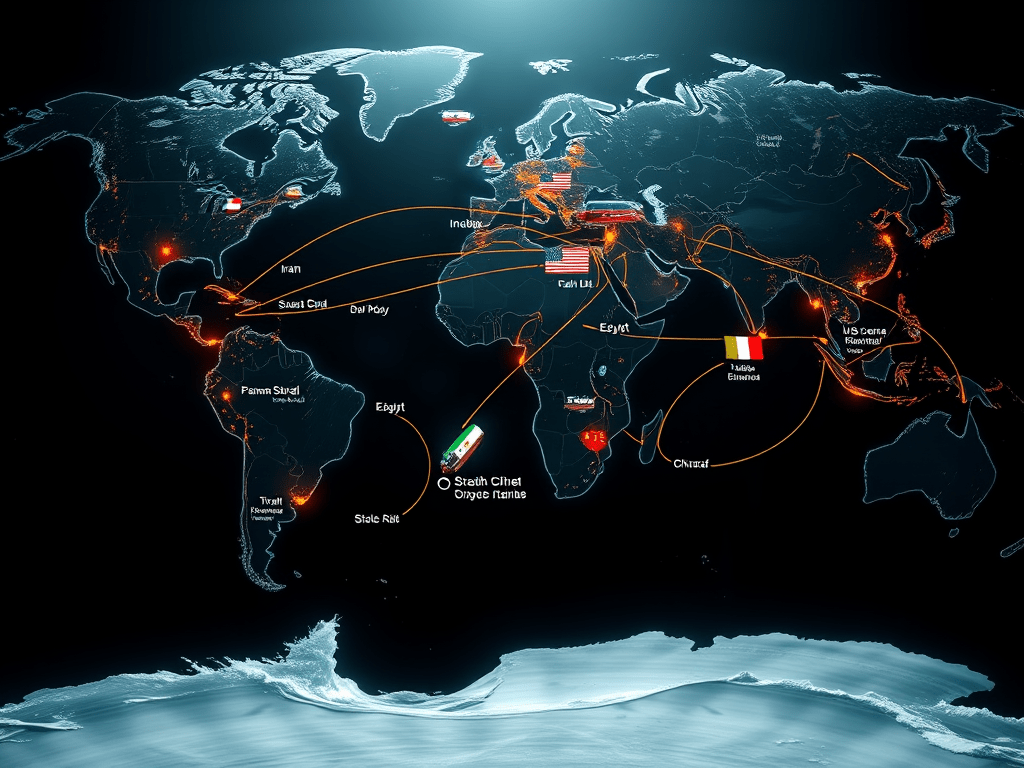
The global trade landscape is undergoing a significant transformation, driven by geopolitical maneuvering and the strategic control of critical maritime chokepoints. Nations are leveraging economic and regulatory tools to reshape trade flows, making global shipping a key battleground in a modern Cold War. This article explores the role of chokepoints, adversarial actions, and the shifting maritime policies influencing global trade.
Strategic Importance of Chokepoints
Chokepoints are narrow, high-traffic passageways crucial for international trade. Controlling these areas grants nations economic and military leverage, allowing them to exert pressure on rivals without direct conflict. The following table highlights key global chokepoints and their strategic significance:
| Chokepoint | Key Nations Involved | Strategic Importance |
|---|---|---|
| Strait of Hormuz | Iran, U.S. | Vital for global oil supply |
| Suez Canal | Egypt, China | Direct trade route between Asia & Europe |
| Panama Canal | U.S., China | Key link between the Pacific & Atlantic Oceans |
| Malacca Strait | China, India, U.S. | Essential for China’s energy imports |
| Bab el-Mandeb | Yemen, Iran, U.S. | Gateway to the Red Sea and Suez Canal |
Adversarial Actions Reshaping Global Trade
Nations such as China, Russia, and Iran have been actively leveraging these chokepoints to their advantage. China, for instance, has made strategic port acquisitions worldwide, influencing global trade flows and securing its economic interests. Similarly, Russia and Iran have employed regulatory pressures and military posturing to disrupt trade and challenge Western dominance.
U.S. Response: A Shift in Maritime Policy
The U.S. approach to maritime challenges has evolved under different administrations. The Trump administration took an aggressive stance, emphasizing the need to counter foreign influence through expanded U.S. maritime capabilities. In contrast, the Biden administration has been more passive, focusing on diplomatic responses rather than direct maritime interventions.
Incidents Highlighting U.S. Vulnerabilities
Recent incidents underscore the declining U.S. influence over maritime trade:
- Refusal of fuel and logistical support to U.S. naval vessels by foreign ports.
- Increased Chinese investments in critical maritime infrastructure.
- Disruptions in supply chains due to geopolitical tensions.
Weaponization of Trade Routes
Countries are increasingly using economic leverage to manipulate trade routes. Strategies include:
- Imposing restrictive regulations to disadvantage rivals.
- Acquiring key ports and infrastructure to control trade movements.
- Using tariffs and economic coercion as tools for geopolitical influence.
Global Shipping Landscape and China’s Expanding Influence
China has significantly expanded its maritime footprint, securing strategic port investments across Asia, Africa, and Latin America. The following table illustrates China’s global maritime influence:
| Region | Major Chinese Investments |
| Africa | Djibouti Naval Base, Mombasa Port |
| South America | Panama Canal Zone Investments |
| Europe | Piraeus Port (Greece), Rotterdam Terminal |
| Middle East | Gwadar Port (Pakistan), Abu Dhabi Terminal |
Federal Maritime Commission’s Role
The U.S. Federal Maritime Commission (FMC) has started investigating foreign trade practices that may restrict American commerce. Potential retaliatory measures include trade restrictions and economic countermeasures.
Emerging U.S. Strategy
Recognizing the importance of reclaiming maritime dominance, the U.S. is adopting a more assertive approach:
- Strengthening alliances with key maritime nations.
- Enhancing the U.S. merchant fleet to ensure supply chain security.
- Investing in port infrastructure to counter foreign influence.
Long-Term Implications
The ongoing control and suppression of strategic maritime routes could lead to global trade disruptions. As trade becomes a geopolitical tool, businesses and governments must navigate a landscape where economic security is closely tied to maritime dominance.
Conclusion
The battle for global trade supremacy is no longer confined to boardrooms or diplomatic meetings—it is being fought on the high seas. Chokepoint control, economic leverage, and shifting maritime policies will shape the future of global trade in an era of rising geopolitical tensions. The question remains: will nations prioritize collaboration, or will economic warfare define the next phase of international relations?



 Glottis Limited
Leave a comment