
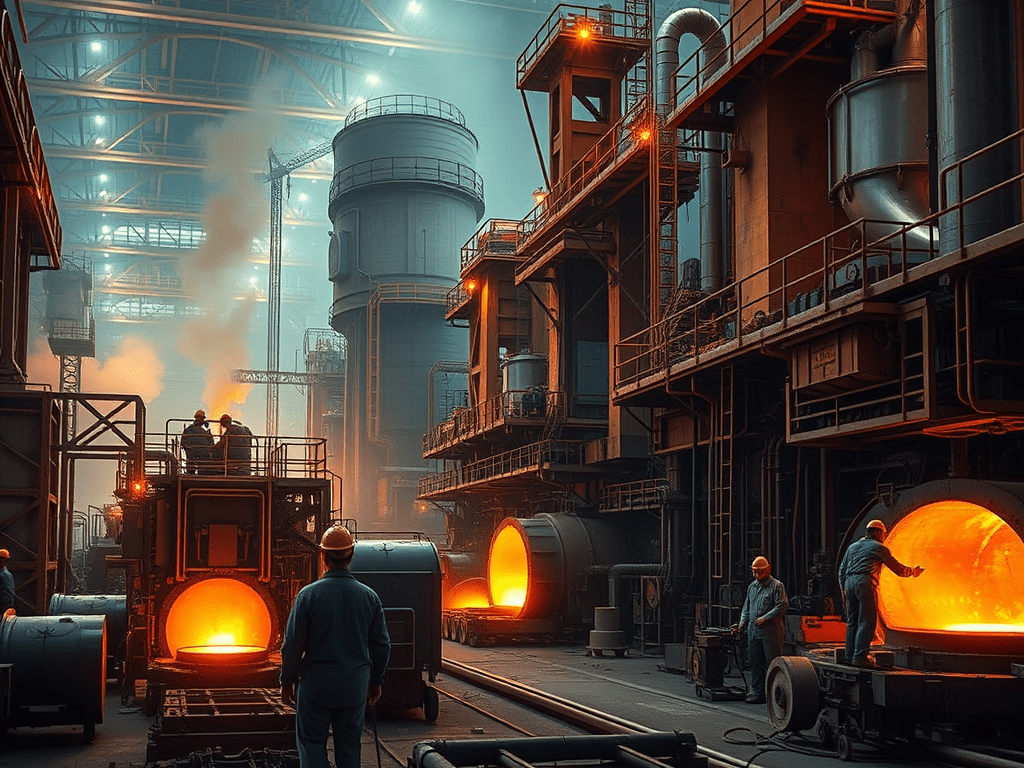
India’s steel industry, particularly its two major players—JSW Steel and Tata Steel—is facing increasing challenges due to cheap Chinese imports and global trade policies. A recent report by Fitch Ratings highlights the difficulties these companies are encountering and the potential avenues for recovery.
Key Challenges
| Factor | Impact on JSW Steel & Tata Steel |
|---|---|
| Credit Rating Downgrades | Fitch downgraded JSW Steel to BB/Stable and Tata Steel to BBB-/Negative. |
| Margin Pressures | Despite strong domestic steel demand, profit margins are under pressure. |
| Domestic Steel Demand | Expected to grow by 10%, driven by public infrastructure spending and industrial growth. |
| Chinese Steel Imports | India has become a net importer, with cheaper Chinese steel lowering domestic prices. |
| Leverage Concerns | EBITDA leverage for JSW projected to exceed 3.7x, Tata Steel 3.0x by FY25. |
| Potential Recovery Factors | Demand growth, lower input costs, and China’s steel production cuts could improve margins. |
| Government Support | Possible anti-dumping duties could help, but timing and impact remain uncertain. |
| Long-Term Outlook | Mid-cycle margin recovery expected by FY27, though risks remain. |
| Tata Steel’s Additional Challenges | Restructuring European operations and vulnerability to mining taxes add further financial strain. |
The Impact of Tariffs on Steel Prices
Tariffs on steel imports play a crucial role in determining domestic and global steel prices. Below is an overview of how tariffs influence the steel industry:
| Tariff Effect | Consequences on Steel Prices & Industry |
| Higher Import Costs | Tariffs make imported steel more expensive, raising overall market prices. |
| Protection for Domestic Producers | Reduced competition allows local firms to increase prices and market share. |
| Supply and Demand Imbalance | Limited supply due to fewer imports can lead to price hikes. |
| Retaliatory Tariffs | Trade wars and retaliatory measures can increase price volatility. |
| Raw Material Cost Inflation | Increased demand for local iron ore and coal can drive up input costs. |
| Market Speculation | Anticipation of tariffs can cause steel price fluctuations. |
| Impact on Downstream Industries | Higher steel prices can raise costs for construction and automotive industries. |
| Long-Term Industry Impact | Prolonged tariffs may reduce efficiency and innovation, leading to sustained higher prices. |
Conclusion
The combination of global trade policies, Chinese competition, and domestic market dynamics presents significant challenges for India’s steel giants. While government interventions and industry adjustments may offer relief, companies like JSW Steel and Tata Steel must navigate these complexities to sustain profitability and market leadership in the coming years.



 Glottis Limited
Leave a comment