
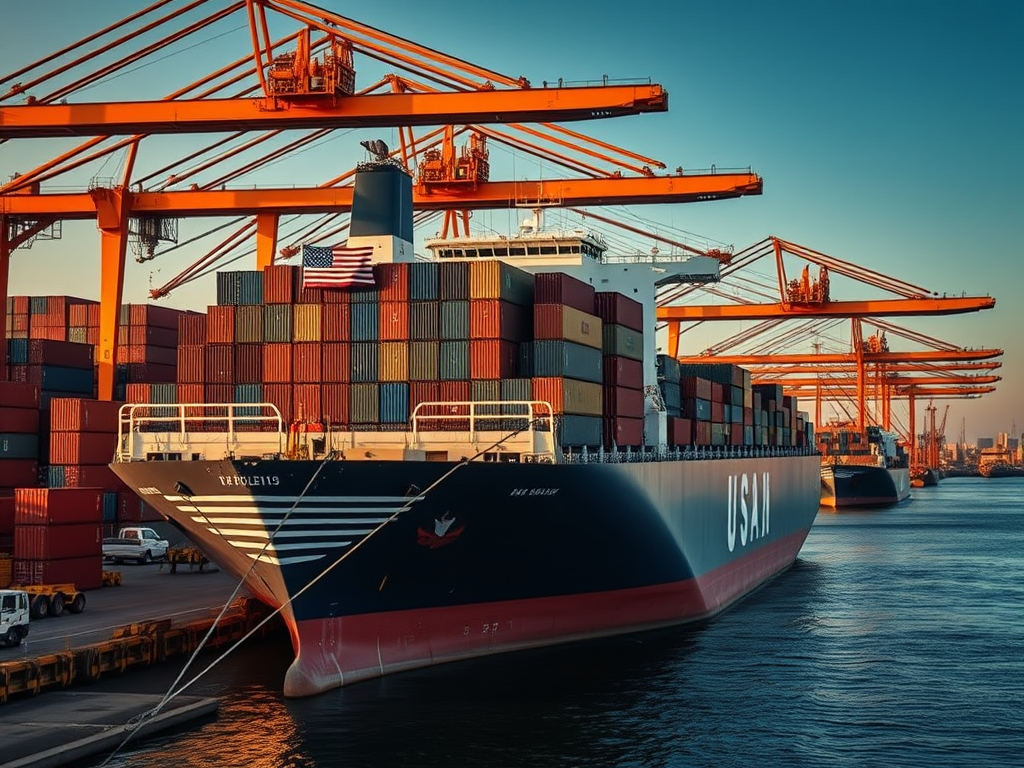
The U.S. shipping and export industries are facing significant uncertainty following President Donald Trump’s proposal to impose hefty fees on China-linked ships calling at U.S. ports. The proposed policy aims to revive U.S. shipbuilding but has raised concerns about severe economic disruptions across multiple sectors, including coal, agriculture, and energy exports.
Key Implications of the Proposed Fees
| Impact Area | Details |
|---|---|
| Proposed Fees by Trump | Aims to impose heavy fees on China-linked vessels at U.S. ports to boost the domestic shipbuilding industry. |
| Impact on Coal Exports | Could risk $130 billion in shipments due to rising delivery costs, making U.S. coal up to 35% more expensive and uncompetitive. |
| Effect on Agriculture | Increased transportation costs could range from $372 million to $930 million annually, creating supply chain uncertainties. |
| Industry Response | Vessel owners may refuse to transport coal and agricultural goods due to cost concerns. Industry leaders warn of potential job losses and economic downturns. |
| Shipping Regulations | Proposal mandates U.S. exports be transported on U.S.-flagged and U.S.-built ships, but there are not enough vessels to meet current demand. |
| Potential Broader Impacts | Other exports, including oil and liquefied natural gas (LNG), may face severe disruptions due to limited shipping options. |
| Competitiveness Challenges | U.S. agricultural exporters could lose their edge in global markets due to increased shipping costs and narrow profit margins. |
| Statements from Industry Leaders | Executives from Xcoal and key trade associations have expressed concerns over economic losses and job impacts. |
Challenges in Implementation
The proposed policy presents serious logistical hurdles, as the U.S. currently lacks the necessary number of flagged ships to support its export needs. Requiring domestic-built and flagged vessels could drive up costs further, creating ripple effects across industries reliant on global trade.
Industry and Economic Concerns
Industry representatives argue that these fees could lead to vessel owners withdrawing from U.S. export markets, further limiting shipping capacity. The coal and agricultural sectors, both heavily dependent on affordable and available freight services, face the risk of losing international buyers due to uncompetitive pricing.
Conclusion
While the proposed policy aims to strengthen the U.S. shipbuilding industry, its potential to disrupt existing supply chains and increase costs for exporters raises critical concerns. Industry stakeholders are calling for a reconsideration of the policy’s economic impact before implementation to avoid unintended consequences for American businesses and jobs.



 Glottis Limited
Leave a comment