
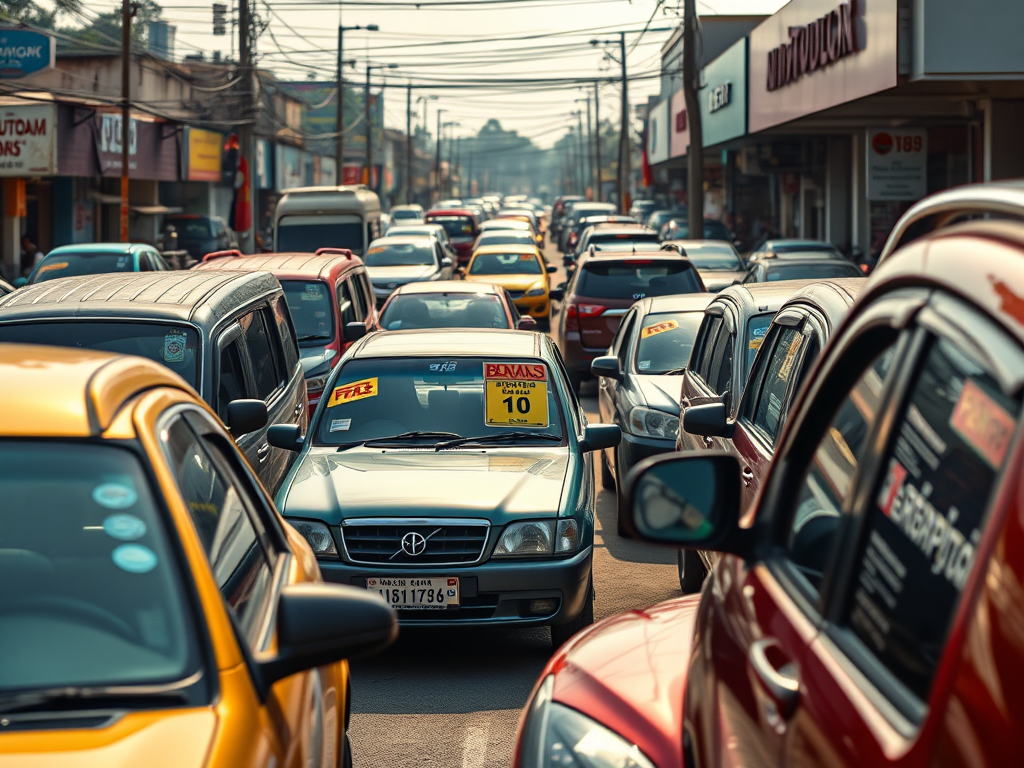
Overview of the Vehicle Import Ban and Economic Context
Sri Lanka has undergone significant changes in its vehicle import policy following the economic crisis triggered by COVID-19. The import ban, initially imposed in 2020 to preserve foreign exchange reserves, had a profound impact on the local automobile sector. Recent developments indicate a gradual relaxation of this ban, albeit with high import taxes still in place.
Key Developments:
- Indian Delegation Visit: An 18-member team from the Society of Indian Automobile Manufacturers (SIAM) recently visited Sri Lanka, signaling growing interest from Indian automobile manufacturers in the Sri Lankan market.
- Partial Relaxation of Ban: The Sri Lankan government has eased restrictions, particularly for certain commercial vehicles, but private vehicle imports remain largely restricted.
- High Import Taxes: Despite the easing of the ban, import taxes remain significantly high, raising concerns about affordability.
Impact of the Import Ban
The vehicle import restrictions led to significant disruptions in the market, affecting prices, availability, and overall industry stability.
- Rising Vehicle Prices: The limited supply due to the ban caused a sharp increase in second-hand vehicle prices.
- Economic Consequences: The ban negatively impacted Indian manufacturers exporting to Sri Lanka and led to revenue losses for local dealerships. Thousands of jobs in the automobile trade were also affected.
- Supply Shortage: Due to the prolonged ban, there has been an inadequate supply of vehicles to meet local demand.
Current Vehicle Import Policy in Sri Lanka
| Aspect | Details |
|---|---|
| Import Ban Status | The government has relaxed the vehicle import ban that was in place since 2020 due to foreign exchange shortages. |
| Categories Allowed | Selective easing of restrictions allows importation of certain categories such as commercial vehicles. Private vehicle imports remain largely restricted. |
| High Taxes | The importation of vehicles is subject to high import taxes, which may impact affordability for potential buyers. |
| Current Demand | There is an expected rise in import demand as local vehicle supply has been insufficient during the ban. |
| Economic Context | The easing of restrictions is part of a broader recovery effort following an economic crisis and bankruptcy faced by Sri Lanka. |
| Indian Market Influence | Indian vehicle manufacturers, such as Tata, Bajaj, Maruti Suzuki, Mahindra, and TVS, are looking to regain market share in Sri Lanka following the easing of the ban. |
| Price Impact | The ban led to a significant increase in second-hand vehicle prices due to high demand and limited supply. |
| Continued Concerns | Although the ban has been relaxed, there are ongoing concerns regarding affordability and potential currency depreciation affecting future vehicle pricing. |
Future Prospects
The relaxation of the import ban presents potential opportunities and challenges for the Sri Lankan automobile industry:
- Market Re-entry for Indian Manufacturers: If the ban is further lifted, Indian brands such as Tata, Maruti Suzuki, Mahindra, Bajaj, and TVS could reclaim their market presence.
- Affordability Issues: The high import taxes and potential currency depreciation could limit the purchasing power of Sri Lankan consumers.
- Economic Stabilization: The government’s approach to gradually lifting restrictions aligns with efforts to stabilize the economy post-crisis.
Conclusion
While the relaxation of Sri Lanka’s vehicle import ban marks a significant policy shift, challenges remain regarding high taxation and affordability. Indian automobile manufacturers see an opportunity to regain lost market share, but consumer concerns about costs and currency fluctuations persist. The situation will continue to evolve as the Sri Lankan economy stabilizes and policymakers determine the next steps in vehicle import regulations.




 Glottis Limited
Leave a comment